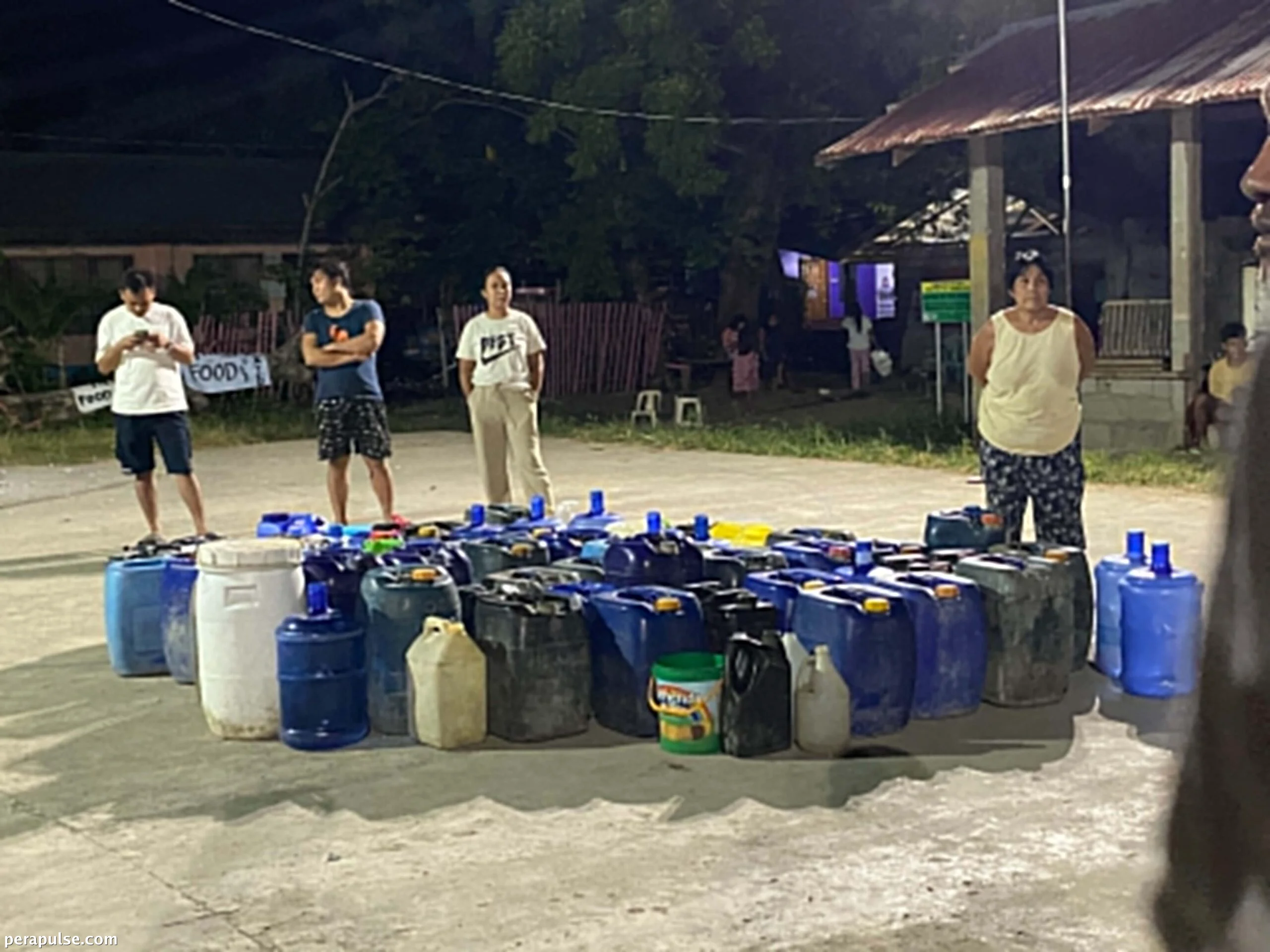
Survivors of the June 8, 2026, magnitude 7.8 earthquake in Sarangani are facing a critical shortage of drinking water. As infrastructure crumbles and relief efforts struggle, residents are left waiting for essential supplies.
Desperate wait for clean water
In Barangay Pananggalon, Fe Rotante, a 63-year-old vendor, recalls the chaos during the quake. The earthquake struck while she was at the market, leaving her and many others frightened and scrambling for safety.
“I was terrified. We had to crawl our way along the road,” said Rotante, recounting her struggle to return home.
In the aftermath, the destruction of water supply systems due to damaged roads and power outages forced many residents to line up for water deliveries, sometimes waiting more than 12 hours for this vital resource.
Local authorities are calling for urgent support, focusing on the most affected municipalities like Malapatan and Glan, where the need for shelter, food, and clean water is acute.
Aid efforts hampered by infrastructure damage
Rodrigo Sosmeña, regional director of the Office of Civil Defense, confirmed that Glan is the worst-hit municipality, with a reported 17 deaths. Relief operations are further complicated by disrupted access routes.
Despite the challenges, the Sarangani provincial government is attempting innovative delivery methods, such as transporting aid by sea to reach isolated areas.
As the province remains under a state of calamity, residents like Rotante continue to face uncertainty regarding their next clean water supply.
