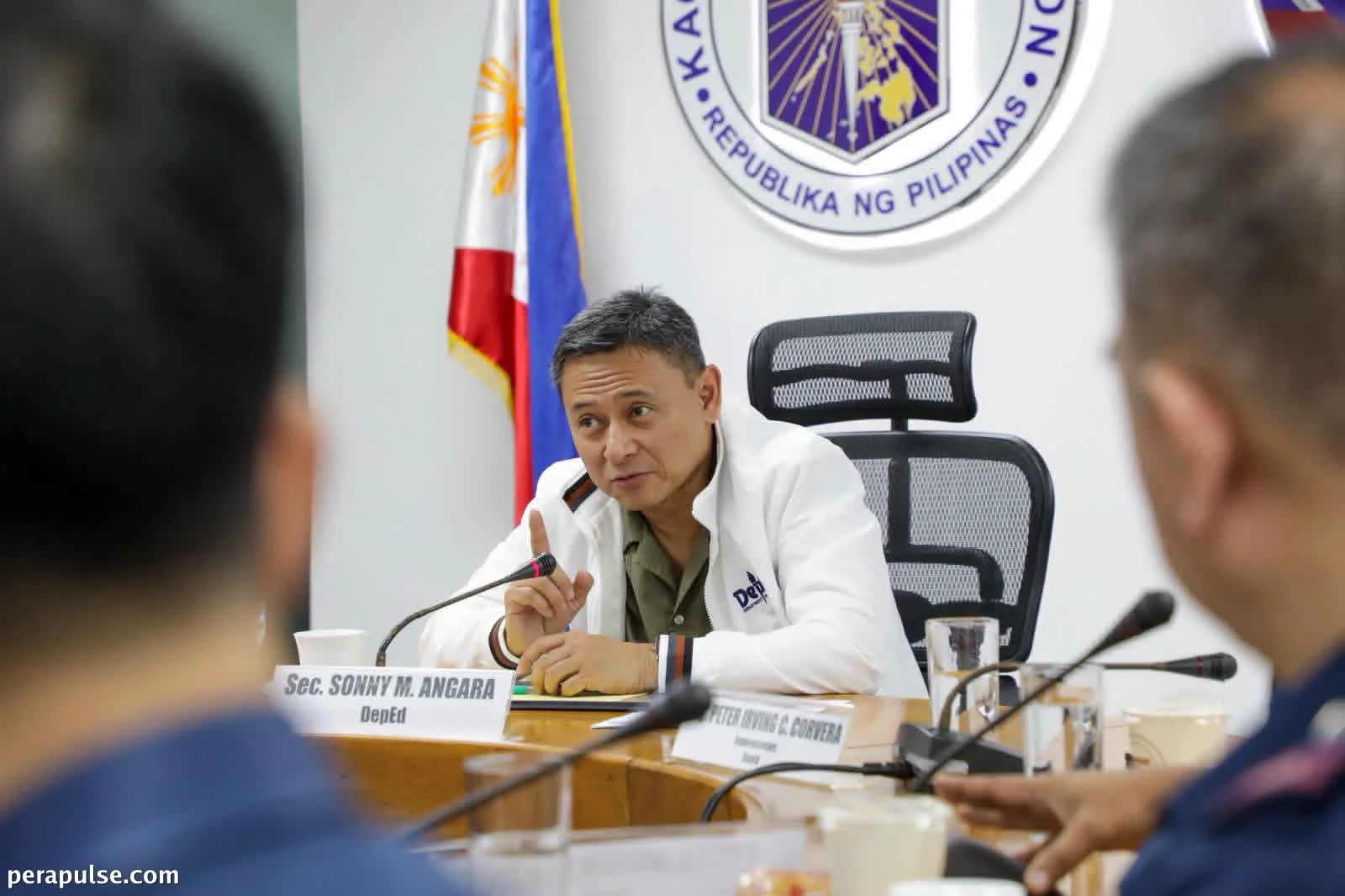
Ang Department of Education (DepEd) ay nagmobilisa ng mga pangmatagalang hakbang para sa katatagan ng mga paaralan na naapektuhan ng kamakailang 7.8 magnitud na lindol na tumama sa Sarangani noong Hunyo 8, 2026.
Epekto ng Lindol sa Imprastruktura ng Edukasyon
Ang lindol ay nagdulot ng makabuluhang pinsala sa mga pasilidad ng edukasyon, na nakaapekto sa 1,676 na paaralan at higit sa 266,000 na mag-aaral sa limang rehiyon.
Ang kaligtasan ng aming mga mag-aaral at tauhan ng paaralan ay nananatiling aming pinakamataas na priyoridad. Kami ay lubos na nakatuon sa pamumuhunan sa pangmatagalang, matibay na imprastruktura na tinitiyak na ang bawat Pilipinong mag-aaral ay may access sa isang ligtas at secure na kapaligiran sa pagkatuto.
(cite: Sonny Angara, Kalihim ng Edukasyon)
Ang Infrastructure for Safer and Resilient Schools Project (ISRS), na binuo sa suporta ng World Bank at inaprubahan ng NEDA Board noong 2024, ay magiging gabay sa mga pagsisikap sa pagkukumpuni at muling pagtatayo.
Sa kasalukuyan, 241 na paaralan ang kasama sa ISRS program, habang ang mga pagsusuri ay patuloy para sa 2,248 iba pang apektadong paaralan upang makakuha ng karagdagang pondo.
Bilang karagdagan sa pagbawi ng imprastruktura, nagsimula ang ahensya ng mga programang suporta sa sikolohikal, na umabot sa 216,841 na mag-aaral at 10,166 na tauhan upang tugunan ang mga sikolohikal na epekto ng sakuna.
Upang matugunan ang agarang pangangailangan sa pagkatuto, ipinatutupad ang mga alternatibong setup at pinalawig na oras ng klase, kasama ang mga pansamantalang solusyon sa malalayong pagkatuto.
Sa pakikipagtulungan sa Department of Public Works and Highways, isang pinagsamang task force ang itinatag upang suriin ang mga apektadong gusali at pabilisin ang pondo para sa pagkukumpuni.
Binibigyang-diin ng DepEd ang kahalagahan ng pag-aampon ng mga disenyo na matibay sa klima para sa mga hinaharap na konstruksyon ng paaralan upang mas mahusay na makatiis sa mga natural na sakuna.