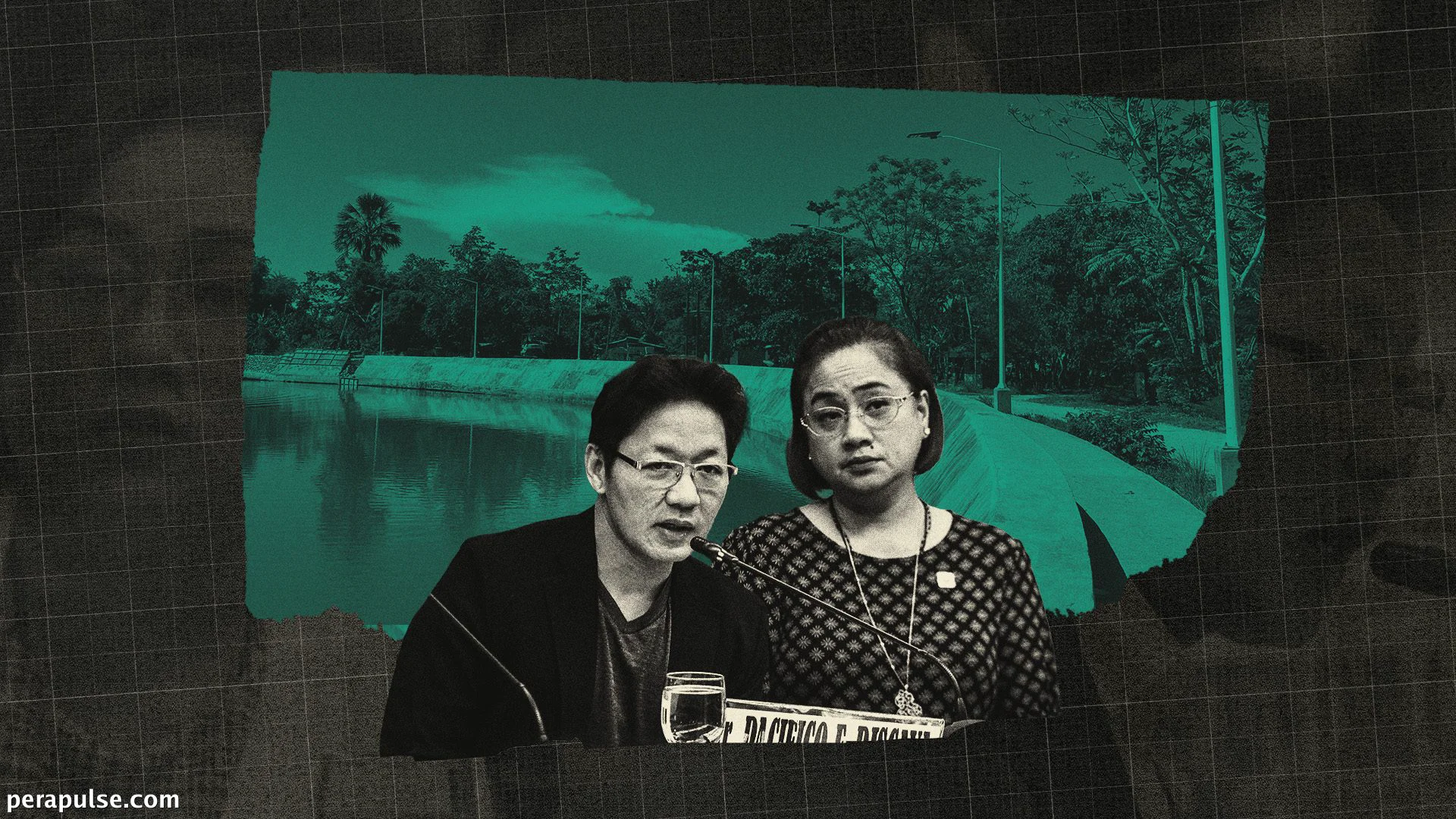
Cebu's Cotcot River is facing significant risks due to structural errors in flood control projects associated with the Discaya family, notorious for corruption allegations. Residents in Barangay Cotcot, Liloan, are particularly concerned as the region prepares for another typhoon season.
Unmet Promises of Flood Protection
“Nagpundok didto pag-agi sa baha. Naa pa’y mga balay, mga hayop,” said Lourile Amaro, a resident, reflecting on the devastation caused by Typhoon Tino.
Lourile Amaro, Resident
- Flood control project initiated on February 16, 2024, costing P96.4 million.
- Completion date was December 26, 2024, just months before Typhoon Tino hit.
The Department of Public Works and Highways (DPWH) undertook a P96.4 million flood control initiative to protect Sitio Sulima, but the project failed to include a crucial diversion channel. This oversight led to significant flooding and property damage during Typhoon Tino in November 2025.
The flood control project, built by contractors St. Matthew General Contractor & Development Corp. and MC Geometric Proportions Inc., was criticized for neglecting recommendations from the 2017 Metro Cebu Integrated Flood and Drainage System Master Plan. The absence of the diversion channel was a glaring omission that engineering experts had highlighted.
As the floodwaters rose, debris clogged the single water outlet, resulting in disastrous flooding for local homes. At least 11,322 houses were reported damaged in Liloan, leaving over 12,000 residents homeless.
Cebu Vice Governor Glenn Soco remarked on the fragmented approach to flood management, stating that bureaucratic hurdles have hindered the execution of the Metro Cebu flood control master plan, which was supposed to be implemented with a P44 billion budget over ten years.
As the typhoon season looms, local officials and residents are calling for immediate action to rectify these structural failures to prevent future disasters.
The current situation reflects broader issues within the region's flood control strategies and the need for cohesive planning to protect vulnerable communities.