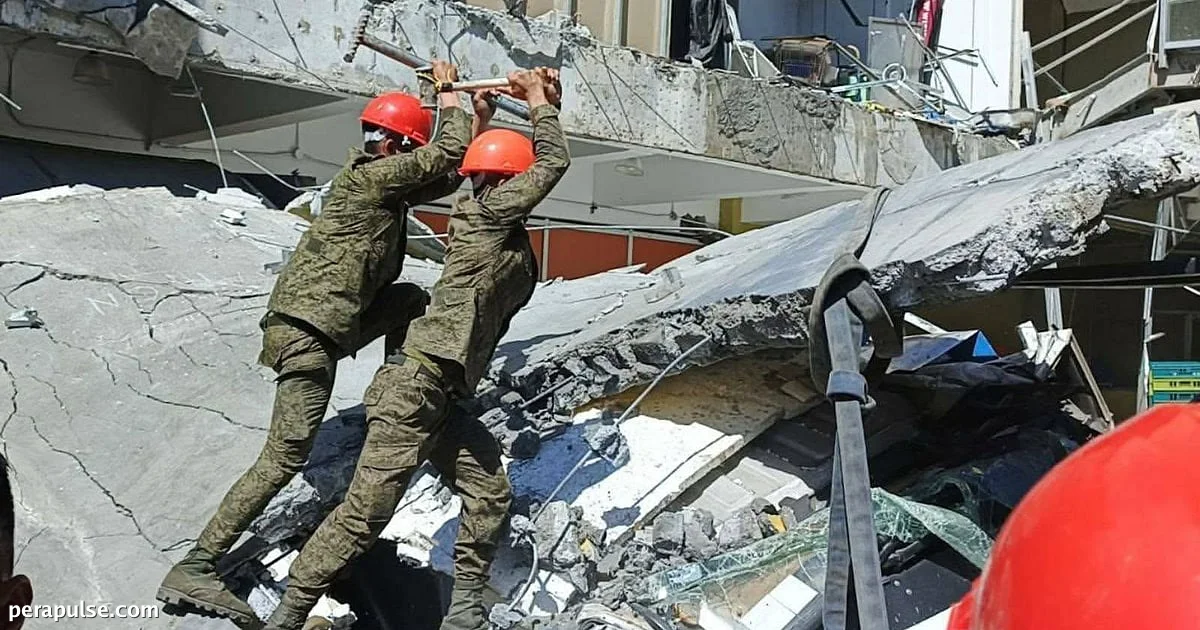
Following the 7.8 magnitude earthquake that struck Mindanao on June 8, 2026, no communities have been isolated, according to the Office of Civil Defense (OCD). Despite damage to roads, bridges, and homes, emergency operations are ongoing.
Emergency Response and Infrastructure Impact
Walang isolated na lugar. ‘Yung apat na road sections na nasira may alternative route naman.
Bernardo Rafaelito Alejandro IV, OCD Deputy Administrator for Administration
Four national road sections remain closed, including one in Davao Occidental and three in South Cotabato. However, alternative routes have been identified to facilitate relief operations.
The damage to national highways is estimated at P232 million, prompting the Department of Public Works and Highways (DPWH) to mobilize resources for road-clearing.
General Santos International Airport is currently limited to military flights, with hopes to resume commercial operations by June 12.
Emergency responders are utilizing Davao City as a logistics hub, deploying helicopters to transport supplies to affected areas.
The earthquake has caused significant casualties, with most injuries linked to landslides. Authorities have recorded six landslide incidents primarily in Region 12.
In the wake of the earthquake, the Department of Education has suspended classes in the affected regions until inspections of damaged school facilities are complete.
Initial assessments report approximately 2,505 homes affected, with 460 completely destroyed and 2,045 partially damaged.
Authorities are focusing on search-and-rescue missions and providing shelter to displaced families. Emergency kits and construction materials are being prepared for recovery efforts.
Despite the scale of the disaster, the OCD asserts that the national government has sufficient resources to support ongoing response efforts.
As of now, no request for international assistance has been made, but the Philippines is in coordination with other nations for potential long-term recovery support.