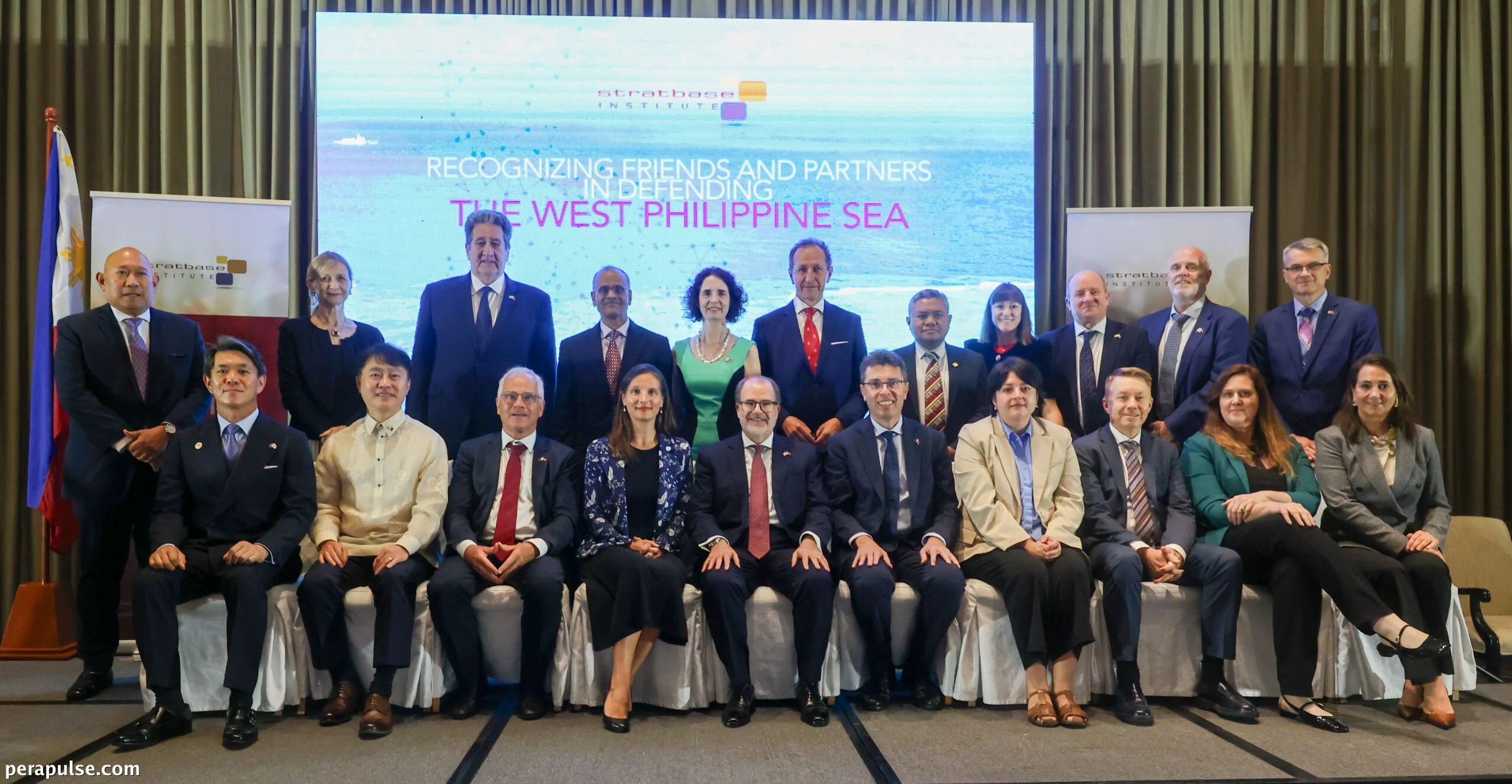
Dapat bigyang-priyoridad ng Pilipinas ang arbitral na desisyon ng 2016 sa mga kasalukuyang negosasyon tungkol sa isang Code of Conduct sa South China Sea, ayon kay Stratbase Institute President Victor Andres “Dindo” Manhit.
Legal na Batayan para sa mga Negosasyon
Anumang Code of Conduct ay dapat sumunod sa Arbitral Award bilang legal na batayan, hindi ito dapat ituring na isang punto para sa negosasyon.
Victor Andres “Dindo” Manhit, Stratbase Institute President
Ang mga pahayag ni Manhit ay ginawa sa isang forum na ginugunita ang ika-10 anibersaryo ng desisyon ng 2016, na nagpawalang-bisa sa malawak na mga paghahabol ng Tsina sa South China Sea.
Ang desisyon ay nagmula sa isang salungatan noong 2012 sa pagitan ng mga barkong Tsino at Pilipino sa Scarborough Shoal. Itinukoy nito na ang mga paghahabol ng Tsina sa nine-dash line ay hindi wasto sa ilalim ng United Nations Convention on the Law of the Sea.
Ipinahayag ni Manhit ang pag-aalala na anumang kasunduan na nagkompromiso sa desisyon ay maaaring makasira sa integridad ng Code of Conduct. Nagbabala siya na ang pag-negosasyon sa arbitral na award ay maaaring maglagay sa panganib sa mga soberanong karapatan ng Pilipinas.
Inulit ni Defense Secretary Gilberto Teodoro ang sentimyentong ito, na binibigyang-diin na ang arbitral na desisyon ay isang usaping pambansa, hindi isang isyu sa politika. Binanggit niya na ang desisyon ay nagpapatibay ng internasyonal na suporta para sa mga karapatan ng Pilipinas sa dagat.
Binigyang-diin ni Teodoro ang papel ng desisyon sa paghubog ng mga estratehiya sa depensa ng Pilipinas at sa pagpapalakas ng mga pakikipagsosyo sa mga kaalyado, na mahalaga para sa pagpapalakas ng regional security.
Pinuri ni Armed Forces chief Gen. Romeo Brawner Jr. ang mga tauhan ng militar na nakatalaga sa mga pinagtatalunang tubig para sa kanilang propesyonalismo sa panahon ng mga engkwentro sa mga barkong Tsino.
Sa pagninilay sa epekto ng desisyon, iginiit ni Manhit na ang anibersaryo ay nagsisilbing paalala ng kahalagahan ng pagpapanatili ng mga legal na tagumpay na nakamit at ang pangangailangan para sa pagbabantay sa pagprotekta sa mga karapatan sa dagat.