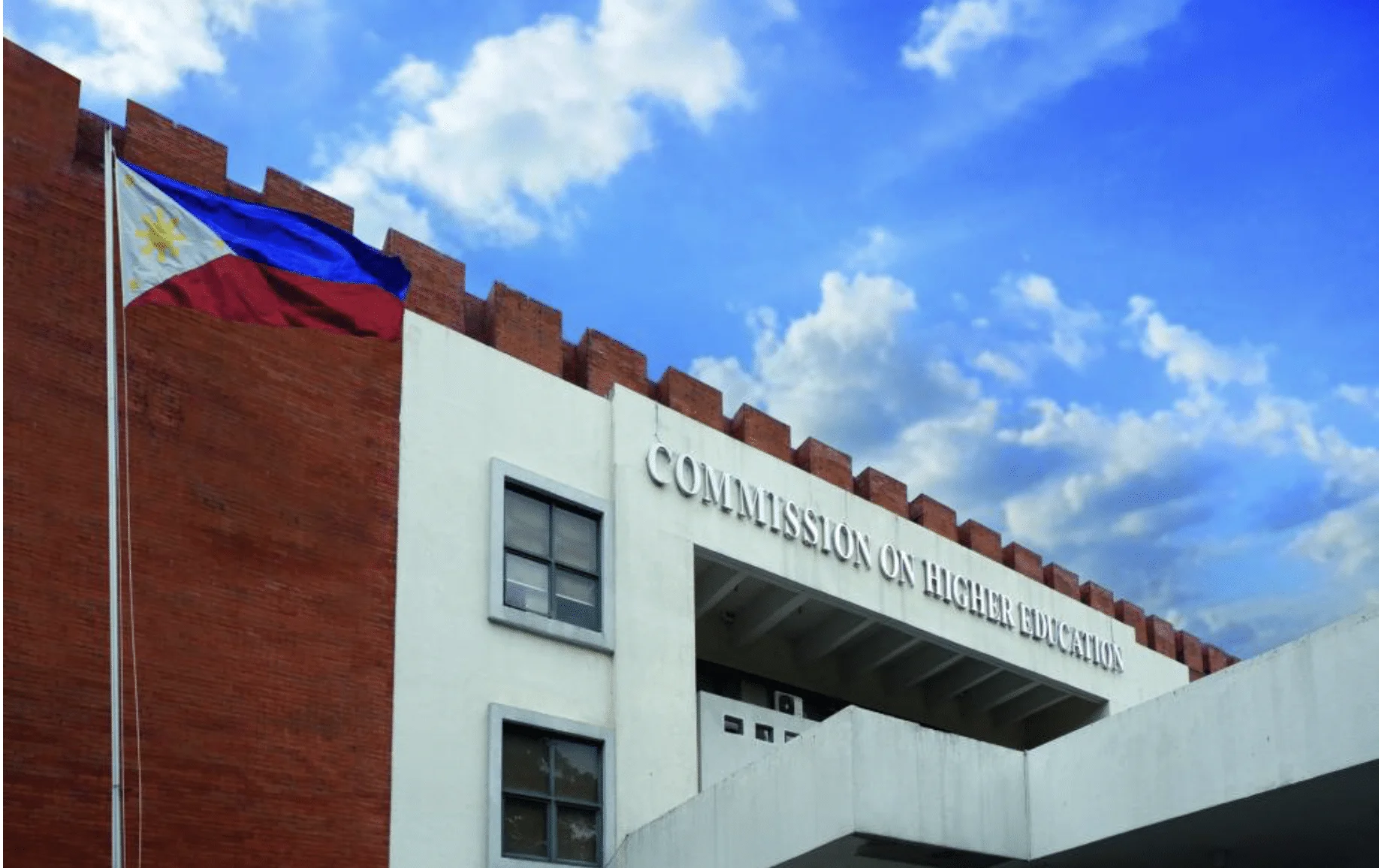
They warn that the changes could undermine critical thinking, civic engagement, and the importance of humanities and social sciences in higher education.
The Philippine Political Science Association (PPSA), alongside other organizations, has raised concerns that the proposal favors functional literacy over critical literacy.
In a statement dated May 6, the PPSA cautioned that the new framework risks producing graduates with technical skills but limited ability to analyze government actions and societal issues.
This sentiment was echoed by the Philippine Sociological Society (PSS), which highlighted the potential reduction or removal of key subjects such as History and Philosophy.
The PSS argued that a narrow focus on technical skills cannot replace the critical context provided by humanities courses.
The Division of Humanities at the University of the Philippines Visayas also criticized the proposed reduction of GE units from 36 to 18, calling it a threat to the educational mission of fostering critical and ethical thought.
These academic voices collectively argue that education should not merely cater to labor market demands, especially in a time of rapid technological change and misinformation.
They advocate for broader consultations with academic institutions and stakeholders before CHEd finalizes any changes to the curriculum.
However, critics warn that this restructuring could lead to a loss of essential educational values, impacting democratic engagement and ethical reasoning.