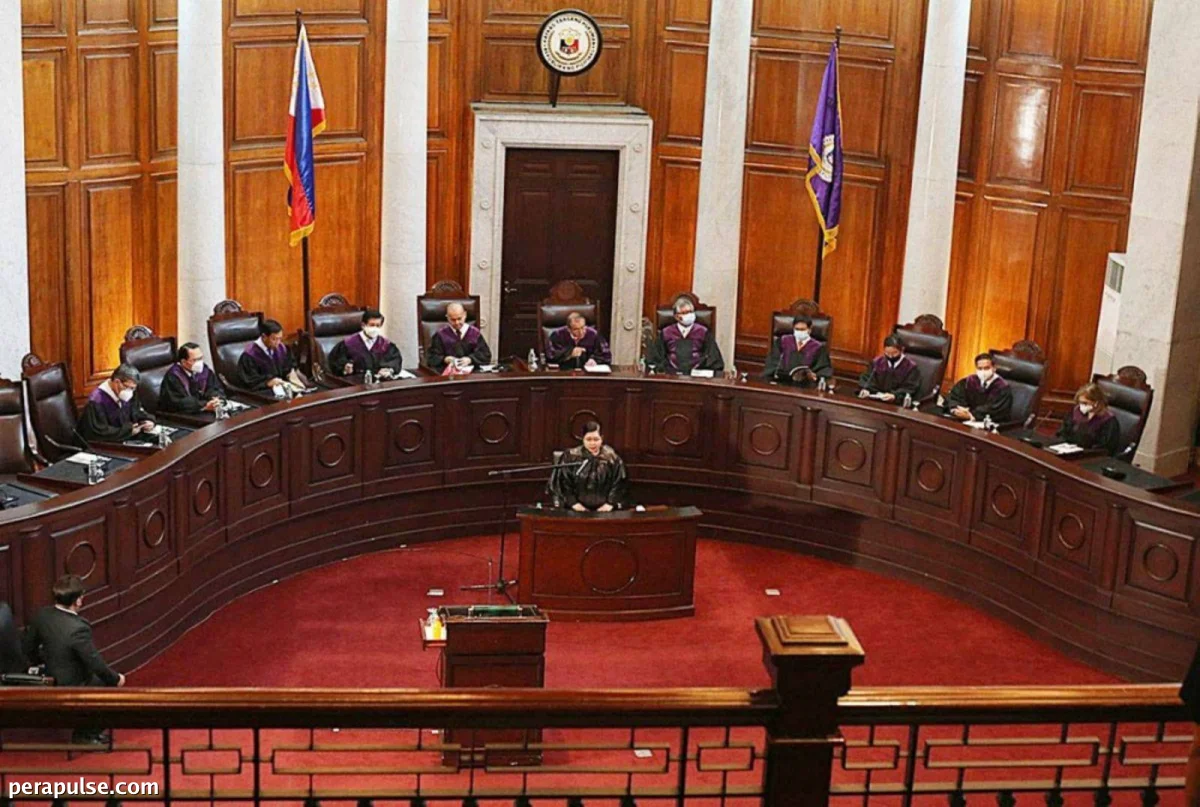
Pinagtibay ng Korte Suprema (SC) ang legalidad ng Republic Act 12079, na nagpapahintulot sa mga dayuhang turista na hindi residente na mag-claim ng mga refund sa value-added tax (VAT), isang desisyon na inaasahang magpapatibay sa sektor ng turismo ng bansa.
Sa isang desisyon na ibinigay ni Associate Justice Amy Lazaro-Javier, tinanggihan ng Korte ang isang petisyon mula kay John Barry Tayam, na nag-claim na ang mga probisyon ng batas ay lumalabag sa equal protection clause ng Konstitusyon.
Mga Pangunahing Tampok ng Batas sa VAT Refund
- Maaaring mag-claim ng VAT refunds ang mga dayuhang turista na hindi residente sa mga pagbili na higit sa P3,000.
- Kinakailangan ang pagiging karapat-dapat sa refund na ang mga kalakal ay ilalabas mula sa Pilipinas sa loob ng 60 araw.
- Ang batas ay nalalapat sa mga retail tangible goods tulad ng damit, electronics, at souvenirs.
Binigyang-diin ng Korte na ang inisyatiba sa VAT refund ay dinisenyo upang pasiglahin ang aktibidad ng ekonomiya sa pamamagitan ng paghikayat sa mga turista na gumastos ng higit pa sa kanilang pagbisita. Ipinaglaban ng Office of the Solicitor General (OSG) na ang mga dayuhang turista at lokal na mamimili ay hindi magkapareho ang sitwasyon, na sumusuporta sa pangangailangan para sa ganitong batas.
Ang pagbibigay ng VAT refund sa mga dayuhang turista ay hindi ginawa nang arbitraryo. Ito ay isang desisyon sa polisiya batay sa mga lehitimong interes ng estado, i.e., ang pangangailangan na manatiling mapagkumpitensya bilang isang pandaigdigang destinasyon ng turismo.
Korte Suprema ng Pilipinas
Ang desisyon ng Korte Suprema ay umaayon sa mga gawi sa maraming bansa, kabilang ang Indonesia at Singapore, kung saan ang mga VAT refund para sa mga turista ay karaniwan. Ang pamamaraang ito ay naglalayong pahusayin ang apela ng Pilipinas bilang isang destinasyon ng paglalakbay.
Tinanggihan din ng Korte ang mga argumento tungkol sa diskriminasyon laban sa mga mamamayang Pilipino, na nilinaw na ang batas ay nagsisilbi ng isang tiyak na layunin sa mas malawak na konteksto ng estratehiya ng gobyerno sa turismo.
Sa isang kasunduan, iminungkahi ni Senior Associate Justice Marvic Leonen na ang petisyon ni Tayam ay dapat na agad na tinanggihan dahil sa kakulangan ng standing, dahil ang batas ay hindi direktang nakasakit sa kanya.
Ang desisyong ito ay nagmamarka ng isang makabuluhang pag-unlad sa mga pagsisikap ng lehislatura ng Pilipinas na pahusayin ang sektor ng turismo at dagdagan ang kita sa dayuhang palitan, na nagpapakita ng lumalaking pagkilala sa potensyal na pang-ekonomiya ng mga internasyonal na bisita.