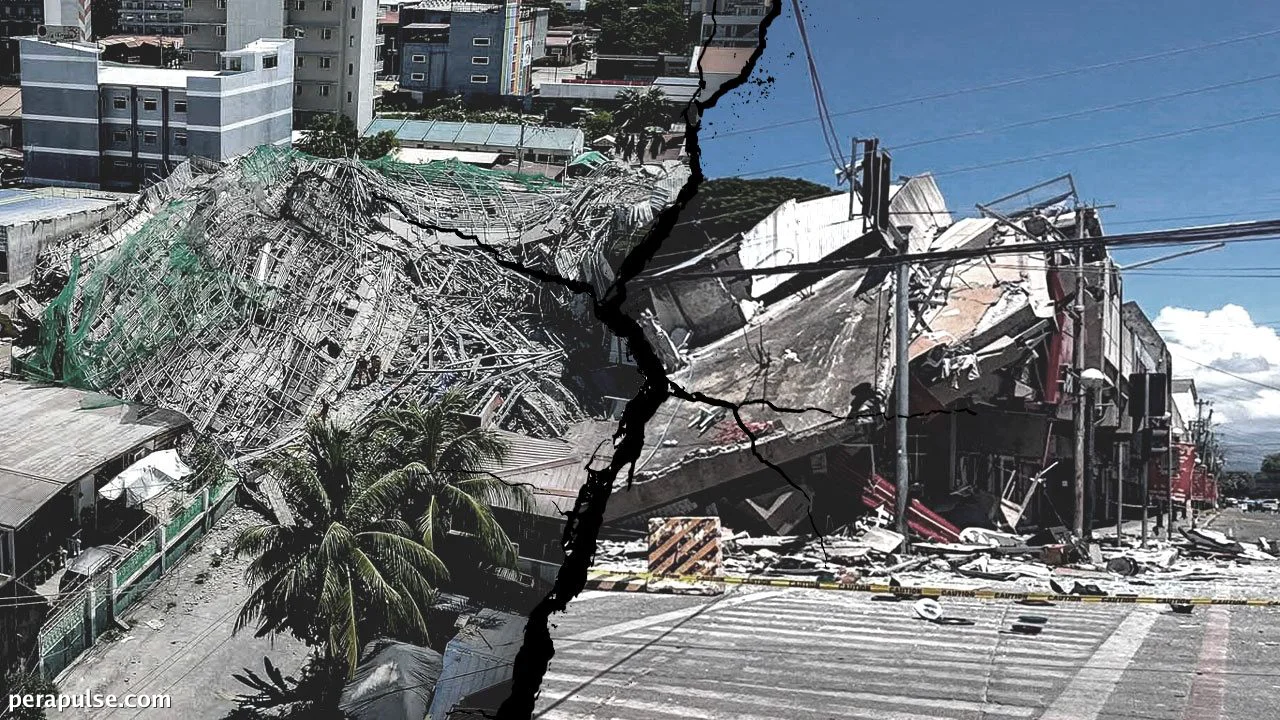
The structural safety of buildings in the Philippines is under scrutiny following two major incidents: the collapse of a nine-story building in Pampanga and a powerful earthquake that struck Sarangani. These events have reignited discussions about the effectiveness of existing building regulations.
As of now, the investigations into the Pampanga collapse are ongoing, with authorities examining construction practices and adherence to the National Structural Code of the Philippines. The Association of Structural Engineers of the Philippines (ASEP) has expressed concerns that the collapse may stem from inadequate structural design, unauthorized modifications, or insufficient foundations.
ASEP emphasized that ensuring building safety extends beyond merely issuing permits. They noted that common malpractices include utilizing substandard materials and making unauthorized alterations to approved plans.
The Path Forward for Building Resilience
In light of these disasters, experts advocate for a comprehensive update of the National Structural Code to reflect modern seismic standards. Rhommel Grutas from the Philippine Institute of Volcanology and Seismology (Phivolcs) pointed out that while no building can be entirely earthquake-proof, it is essential to design structures that can withstand substantial seismic activity.
Grutas highlighted that many structures built under older codes require retrofitting to enhance their resilience to earthquakes. This includes applying updated engineering principles and ensuring compliance with safety standards.
The recent tragedies have resulted in a significant loss of life, with 30 fatalities reported in Pampanga and over 61 in Sarangani due to the earthquake, alongside extensive injuries and property damage. The estimated cost of damages in Sarangani is around P1 billion, highlighting the economic implications of inadequate building safety.
As the country moves forward, it is crucial to prioritize the safety and integrity of infrastructure to prevent future disasters. The lessons learned from Pampanga and Sarangani could drive meaningful reforms in building regulations and practices.