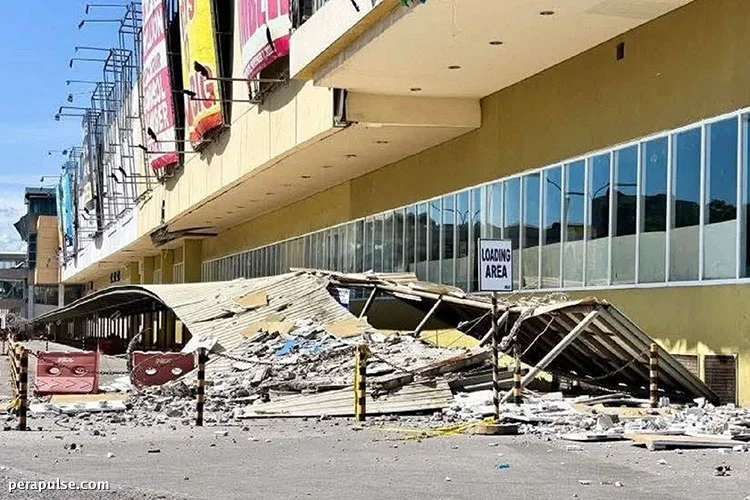
Inaasahang tataas nang malaki ang gastos ng mga developer ng ari-arian sa Pilipinas sa mga estruktural na pag-upgrade at mga hakbang sa katatagan bilang tugon sa mga kamakailang lindol sa Mindanao. Ang pagbabagong ito ay nagmumula sa pag-priyoridad ng mga mamimili sa kaligtasan at integridad sa kanilang mga pamumuhunan sa real estate.
Si Claro dG. Cordero, Jr., direktor ng pananaliksik sa Cushman & Wakefield Philippines, ay nagpahayag na ang mga developer ay muling sinusuri ang kanilang mga estruktural na sistema bilang bahagi ng isang estratehiya upang mapabuti ang kakayahan ng proyekto. Binibigyang-diin niya na ang katatagan ay nagiging isang pangunahing salik sa mga desisyon sa pag-upa at alokasyon ng kapital.
Ang katatagan ay mabilis na lumilitaw bilang isang nasusukat na mapagkumpitensyang pagkakaiba. (cite: Claro dG. Cordero, Jr., Director for Research, Cushman & Wakefield Philippines)
Si Dino Mari G. Palanca, direktor para sa marketing at pananaliksik sa Savills Philippines, ay nagsabi na ang mga developer ay nakatuon na ngayon sa mga redundant na sistema at pagpaplano ng pagpapatuloy ng negosyo. Binanggit niya ang inaasahang pagtaas sa mga inspeksyon at pagsusuri ng mga pagkukumpuni kasunod ng mga lindol.
- Pinaigting na mga inspeksyon sa estruktura pagkatapos ng mga lindol.
- Pokos sa pagpapabuti ng mga tampok sa kaligtasan at pangmatagalang tibay.
Ang kamalayan ng mga mamimili tungkol sa kalidad ng mga gusali ay tumataas din. Ang mga mamimili ay lalong interesado sa mga rekord ng mga developer at pagsunod sa mga pamantayan ng seismic, na nagpapahiwatig ng pagbabago sa mga priyoridad sa pagbili.
Sa kabila ng mga alalahanin, itinuro ni Cordero na ang demand para sa mga condominium ay nananatiling malakas, partikular ang mga sumusunod sa mga pamantayan ng seismic. Idinagdag niya na ang merkado ay nagiging iba-iba batay sa lokasyon at tindi ng mga epekto ng lindol.
Ang mga mas matatandang gusali ay hindi nakaligtas sa trend na ito; tinatayang ni Cordero na ang mga seismic upgrade ay maaaring gumastos ng pagitan ng 10% at 30% ng halaga ng pagpapalit ng isang gusali. Pinayuhan niya ang mga may-ari na isaalang-alang ang mga phased retrofitting strategies upang epektibong pamahalaan ang mga gastos habang pinapabuti ang katatagan ng ari-arian.
Itinampok ni Palanca na habang ang mga upgrade na ito ay maaaring makaapekto sa mga panandaliang kita, mahalaga ang mga ito para mapanatili ang kumpiyansa ng mga nangungupahan at matiyak ang insurability. Inilarawan niya ang pagbawi mula sa mga ganitong pangyayari sa seismic bilang unti-unting proseso, kadalasang tumatagal ng tatlo hanggang limang taon, partikular sa mga urban na lugar na labis na nasira.