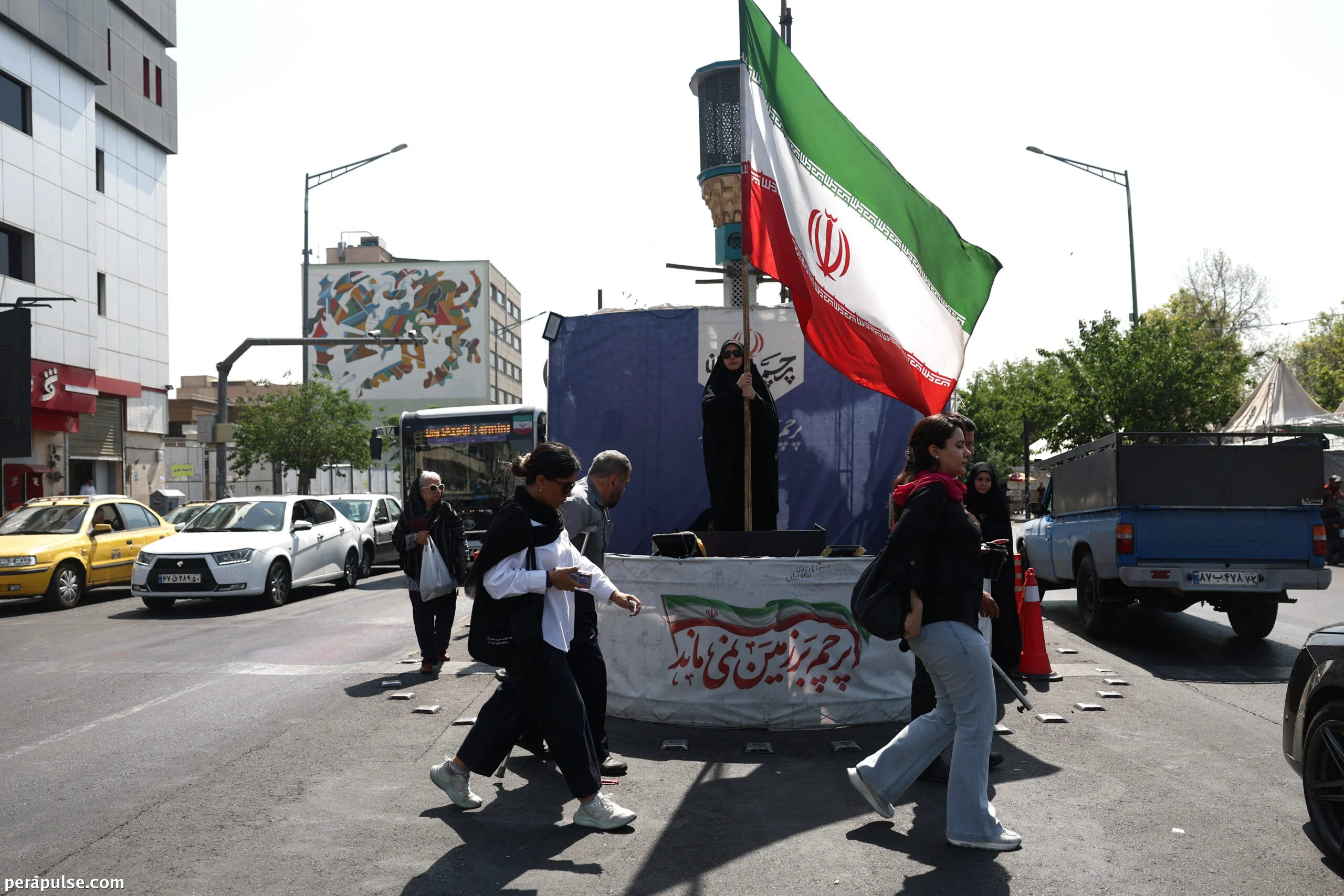
The United States and Iran are reportedly closer to finalizing a long-sought peace agreement, although the timing remains unclear. Iranian officials indicated a signing could happen soon, but internal dissent complicates the situation.
Doubts Over Signing Date
Iran's Foreign Ministry spokesperson Esmaeil Baghaei hinted that while a deal could materialize in the coming days, it would not be on the anticipated date of June 14, 2026.
President Donald Trump announced on social media that the signing was scheduled for his 80th birthday. This announcement has drawn skepticism from Tehran, where hardline factions are vocal against any agreement with the US.
It will not be tomorrow, but could happen in the coming days.
Esmaeil Baghaei, Iranian Foreign Ministry spokesperson
Despite ongoing military actions, the potential agreement aims to reopen the strategically critical Strait of Hormuz, which has been a focal point in US-Iran relations. The US has reportedly agreed to lift its naval blockade in exchange for Iran's commitment to keep the strait open.
The proposed deal also includes discussions about Iran's nuclear program, which has been a significant point of contention. A US official stated that the agreement might lead to the dismantling of Iran’s nuclear capabilities.
Continued Clashes Amidst Negotiations
Although talks appear to be gaining traction, violent confrontations continue. The US military recently reported intercepting Iranian drones targeting the Strait of Hormuz, highlighting the precarious security situation.
Israeli military actions have also escalated, with Prime Minister Benjamin Netanyahu asserting that Israel would not abide by any agreements that compromise its security interests.
The geopolitical stakes are high. The outcome of these negotiations could redefine relations not only between the US and Iran but also influence broader Middle Eastern stability.