The United States and Iran are on the brink of finalizing a peace agreement, with expectations for an initial deal to be signed in the coming days. A senior US official revealed that both nations have largely agreed on the terms.
Key Elements of the Proposed Deal
Iran is the winner of the war with the US.
Abbas Araqchi, Iranian Foreign Minister
Iranian Foreign Minister Abbas Araqchi emphasized that the tentative agreement signifies Iran's strengthened position in the conflict. He stated that changes to the text are still possible.
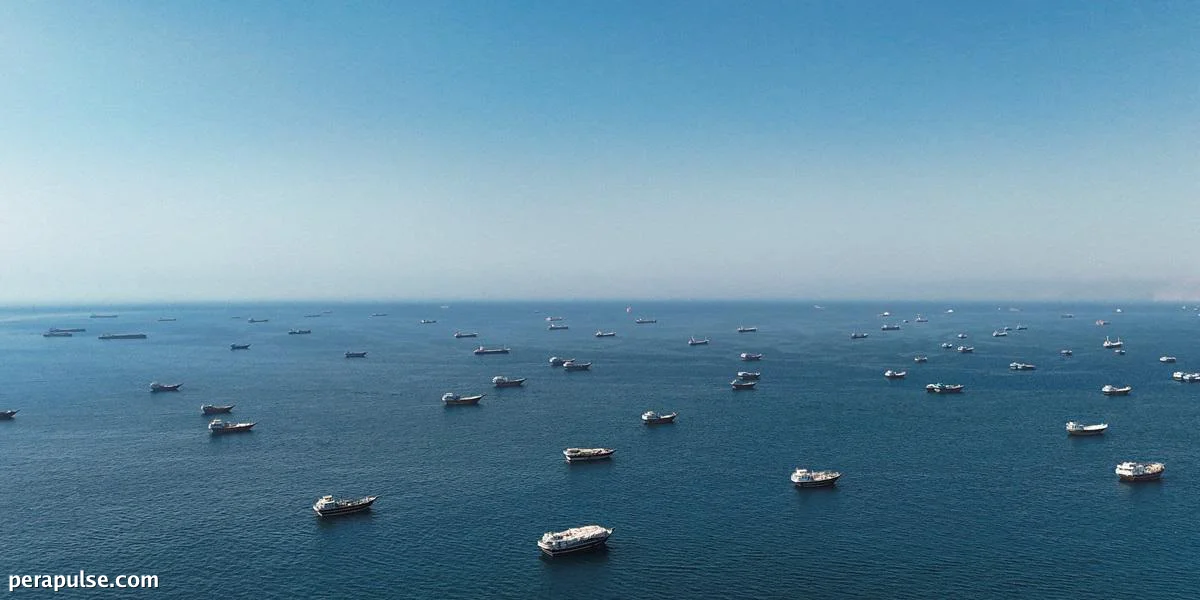
The proposed memorandum includes significant concessions from the US, such as releasing billions of dollars in frozen Iranian assets and waiving certain sanctions on oil exports. In exchange, Iran would reopen the Strait of Hormuz, a crucial route for global oil transport.
A US official confirmed that the deal aligns with President Trump's objectives, aiming to dismantle Iran's nuclear capabilities. Discussions are set to take place over a 60-day period to address the nuclear program, with the stockpile of highly enriched uranium to be destroyed.
Despite the progress, the agreement has drawn scrutiny, particularly from Israeli officials. Prime Minister Benjamin Netanyahu has expressed concerns over the implications for Israel's security and has not been involved in the negotiations.
The potential peace agreement comes at a politically sensitive time for the Trump administration, amid rising fuel prices and a challenging midterm election landscape. Some Republican lawmakers fear that the unpopularity of the ongoing conflict could jeopardize their congressional control.
Should the deal be finalized, it may not only alter US-Iran relations but also impact the broader geopolitical dynamics in the Gulf region, particularly regarding oil prices and military presence.