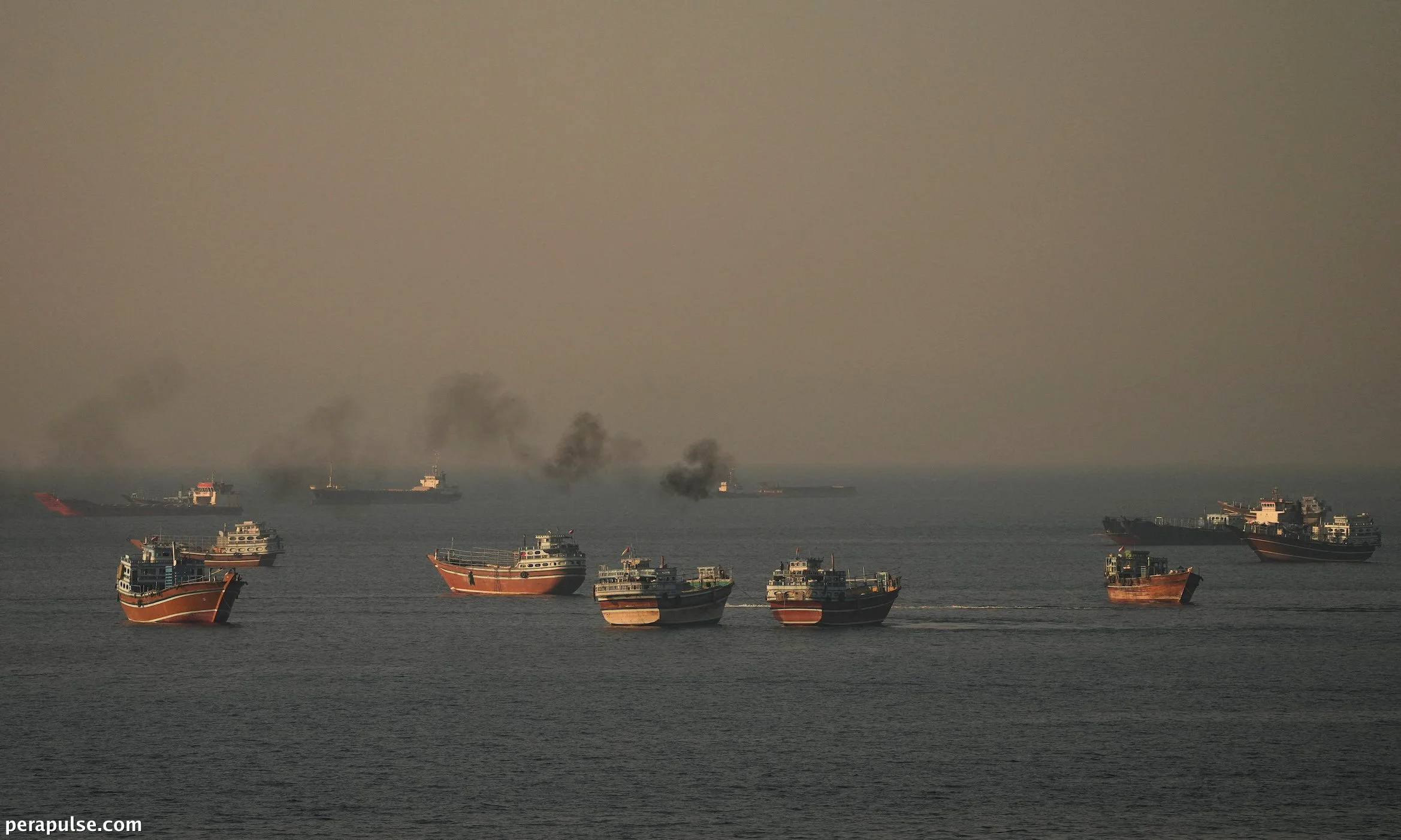
Noong Hunyo 18, 2026, nagsimulang gumalaw ang mga tangke ng langis sa Strait of Hormuz matapos na alisin ng Estados Unidos ang blockade nito sa Iran. Ang pag-unlad na ito ay nagpapahiwatig ng pagpapatupad ng isang pansamantalang kasunduan na naglalayong wakasan ang labanan sa pagitan ng dalawang bansa.
Mga Presyo ng Langis at Katatagan ng Rehiyon sa Panganib
Bilang resulta ng kasunduan, bumagsak ang mga presyo ng langis sa kanilang pinakamababang antas mula nang magsimula ang hidwaan noong Pebrero 28, 2026. Ang pagbabagong ito ay nagpapahiwatig na ang mga eksport ay maaaring maging normal, na nakakaapekto sa pandaigdigang dinamika ng suplay ng langis.
Sa kabila ng pag-unlad na ito, nananatiling delikado ang sitwasyon dahil sa patuloy na operasyon ng militar ng Israel laban sa Hezbollah sa Lebanon. Maraming alalahanin ang umiiral tungkol sa tibay ng kasunduan ng US-Iran sa gitna ng tumitinding tensyon sa rehiyon.
Kung ang panig ng Amerika ay masyadong mapaghiganti, hindi namin ito tatanggapin.
Ayatollah Mojtaba Khamenei, Pinuno ng Iran
Nagpahayag ang mga analyst ng pagdududa tungkol sa potensyal ng kasunduan na magbunga ng makabuluhang resulta, na nagsasabing maaaring mas malakas na ang posisyon ng Iran matapos ang hidwaan. Ang bansa ay may kontrol sa Strait of Hormuz, isang kritikal na daanan ng barko para sa pandaigdigang langis.
Ipinahayag ng Iran na ito ay magmamasid sa trapiko sa strait sa panahon ng negosasyon, bagaman hindi ito magpapatupad ng anumang bayarin sa oras na ito.
Nanganganib ang Relasyon ng US at Israel
Sa isang kapansin-pansing pagbabago, tahasang kinondena ni Pangulong Donald Trump ng US ang mga aksyon ng militar ng Israel sa Lebanon, na nagmumungkahi ng lumalalang hidwaan sa relasyon ng US at Israel. Nanawagan si Trump para sa isang ganap na tigil-putukan, na binibigyang-diin ang pangako ng US sa kapayapaan.
Sa mahigit isang milyon ang mga nawalan ng tahanan sa Lebanon dahil sa patuloy na hidwaan, masusing pinapanood ng pandaigdigang komunidad habang tumitindi ang presyon sa parehong panig na sumunod sa proseso ng kapayapaan.