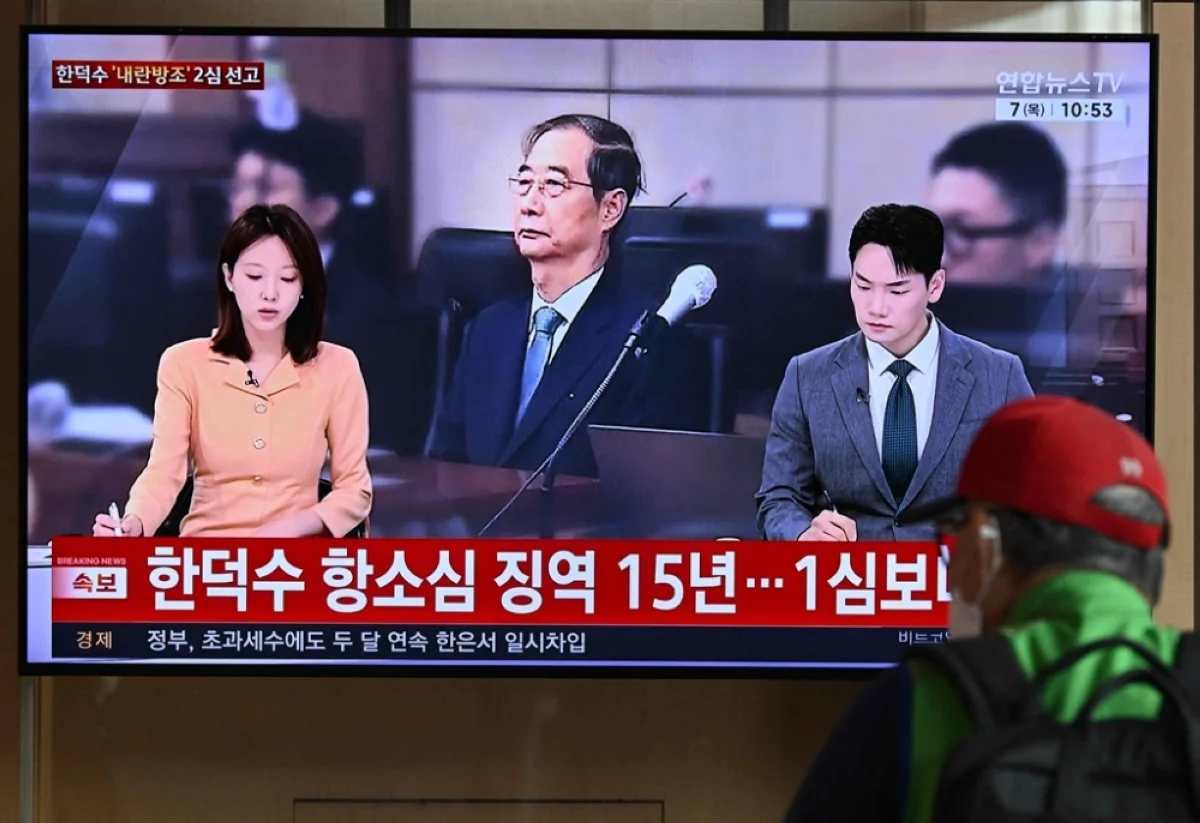
Ang dating Punong Ministro ng Timog Korea na si Goh Kun ay nabawasan ang kanyang sentensya sa batas militar mula 20 taon hanggang 15 taon kasunod ng isang apela. Ang desisyon ng Korte Suprema ay nagpasimula ng muling talakayan tungkol sa nakaraan ng bansa sa ilalim ng pamahalaang militar.
Si Goh Kun, na nagsilbi bilang Punong Ministro sa panahon ng makabuluhang kaguluhan sa politika, ay orihinal na sinentensyahan dahil sa kanyang papel sa pagpapatupad ng batas militar noong dekada 1980. Ang desisyon ay nagha-highlight ng patuloy na tensyon sa paligid ng demokratikong ebolusyon ng Timog Korea.
Sa kanyang desisyon, kinilala ng korte ang pangangailangan para sa pananagutan ngunit isinasaalang-alang din ang edad at kalusugan ni Goh. Sa edad na 83, ang kanyang mga tagasuporta ay nanawagan para sa pagpapagaan batay sa mga salik na ito.
Ang reaksyon ng publiko sa desisyon ay halo-halo, kung saan ang ilan ay nakikita itong isang kinakailangang hakbang patungo sa pagkakasundo, habang ang iba naman ay nakikita itong isang pagdilute ng katarungan para sa mga nakaraang paglabag.
Mga Implikasyon para sa Pagsusuri ng Kasaysayan ng Timog Korea
Ang desisyong ito ay bahagi ng mas malawak na trend sa Timog Korea, kung saan ang pamana ng authoritarian na pamamahala ay nananatiling isang kontrobersyal na paksa. Maraming mamamayan ang nananawagan para sa mas transparent na talakayan tungkol sa kasaysayan ng bansa.
Maaaring buksan ng desisyong ito ang pinto para sa karagdagang mga apela mula sa iba pang mga dating opisyal na kasangkot sa katulad na mga kaso.
Eksperto sa Batas
Habang patuloy na tinatahak ng Timog Korea ang kanyang demokratikong landas, ang mga implikasyon ng desisyong ito ay malamang na umuugong sa mga darating na taon.