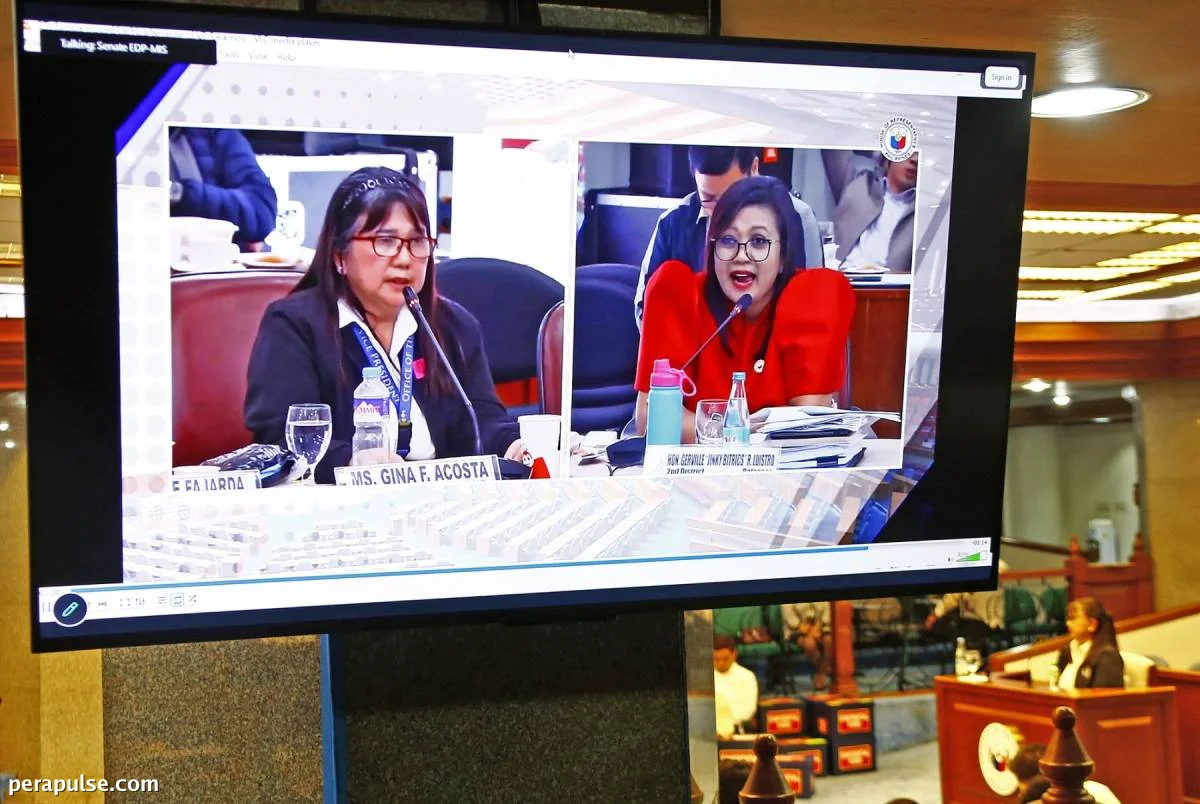
Senate Impeachment Court spokesman Regie Tongol emphasized the importance of evaluating the credibility of witnesses in the ongoing impeachment trial of Vice President Sara Duterte. He stated that factors like consistency and alignment with common human experience will be crucial in this assessment.
Evaluating Credibility: Consistency vs. Scripted Responses
The senator-judges will base their decision on whether they are satisfied that the testimony of that witness is credible or not.
Regie Tongol, Senate Impeachment Court Spokesman
The court's approach allows senator-judges to evaluate whether testimonies reflect ordinary human behavior. This interpretation of evidence is particularly relevant in the case of Gina Acosta, whose responses raised concerns about their authenticity.
Tongol noted that while minor inconsistencies may strengthen a witness's credibility according to Supreme Court jurisprudence, overly rehearsed testimonies could undermine it. He clarified that he was not making a specific judgment about Acosta's testimony.
Preparation for witnesses before they testify is a standard practice, Tongol said. Lawyers often conduct mock examinations to help witnesses become familiar with the questioning process, aiming to improve the clarity of their responses.
However, lawyers are prohibited from dictating witness answers, as this could be considered witness tampering. The topic gained attention due to Acosta's designation as a hostile witness, allowing her credibility to be challenged through leading questions.
Tongol acknowledged Acosta's long-term employment with the Office of the Vice President and her claims of receiving legal assistance from Duterte in personal cases. Given her relationship with the vice president, it would not be surprising if the defense had communicated with her prior to her testimony.
He also referenced the case of National Bureau of Investigation (NBI) Director Matibag, who admitted to speaking with the House prosecution panel before his testimony. Such communications are considered part of normal trial preparation.