A year following
Unfolding of the Scandal
In the coming months, we will file charges against those found at fault. Including their accomplices, contractors all over the country.
Ferdinand Marcos Jr., President
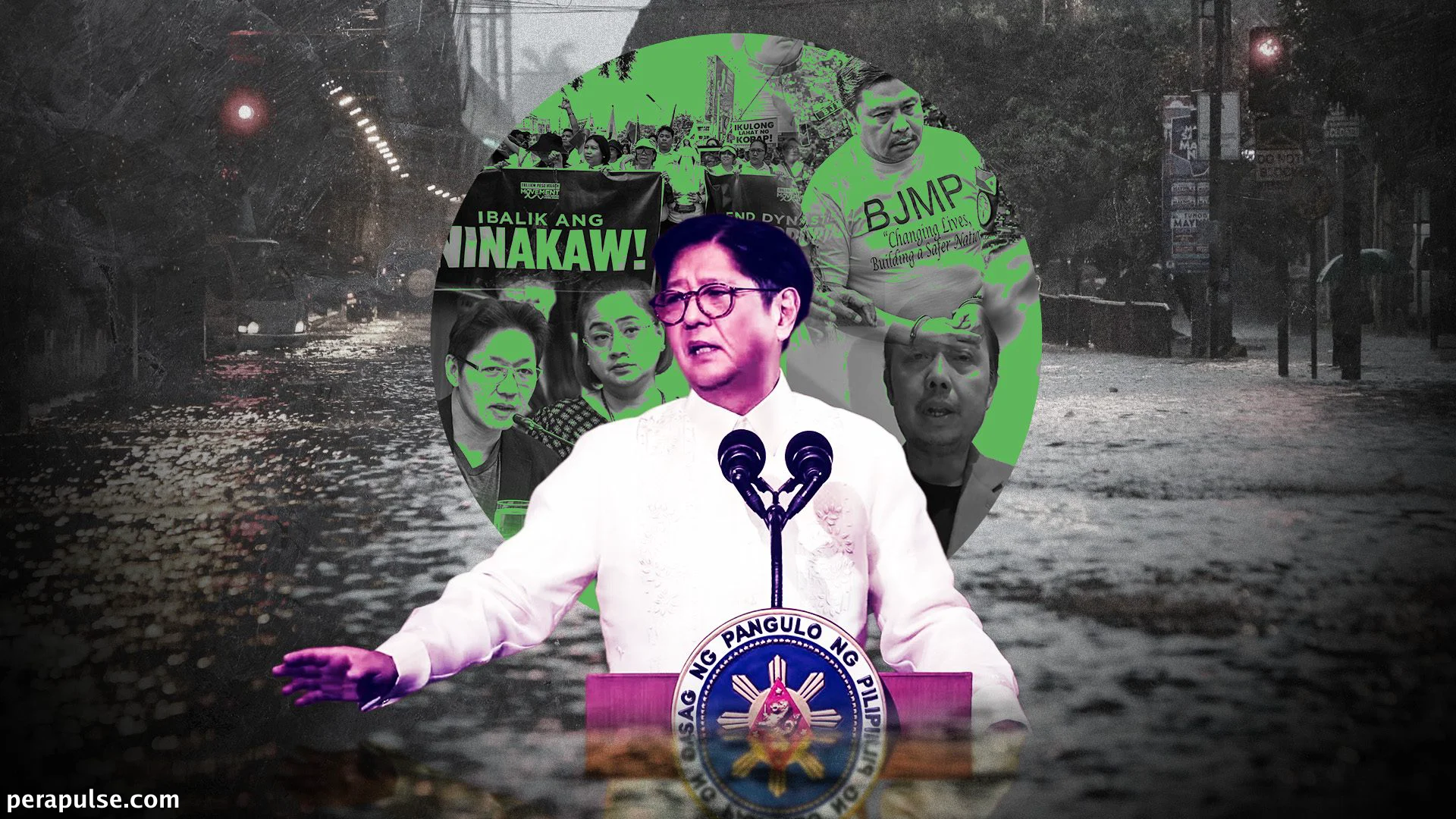
Marcos’ vow to pursue corrupt officials was made clear during his fourth State of the Nation Address on July 28, 2025. The fallout from these allegations has implicated numerous members of his administration, leading to calls for accountability from the public.
Among those charged are Senator Jinggoy Estrada and former senator Bong Revilla, both of whom have faced legal scrutiny. The situation escalated when even
While the government claims to have recovered approximately P611.379 million from individuals linked to the corruption, estimates suggest that about 60% of the flood control budget may have been embezzled over the years. This equates to a staggering potential loss of around P1.14 trillion.
Public Response and Legislative Actions
The corruption scandal has sparked widespread protests, with citizens demanding accountability and reform. Demonstrators have called for the resignation of Marcos, highlighting a growing public dissatisfaction with the pace of justice.
In response to the outcry, Congress initiated investigations, although the House inquiry ended prematurely amidst allegations of conflicts of interest among lawmakers. The Marcos administration has also launched an Independent Commission for Infrastructure to investigate not only flood control corruption but other infrastructure projects as well.
As the administration prepares for the 2027 budget discussions, there are indications of a shift towards greater transparency in the national budget process. The House has abolished its small committee, traditionally responsible for budget amendments, and now conducts livestreamed deliberations.
Despite the measures taken, many officials implicated in the scandal remain in their positions, raising concerns about the effectiveness of the crackdown on corruption. With just two years left in his term, the question remains: can