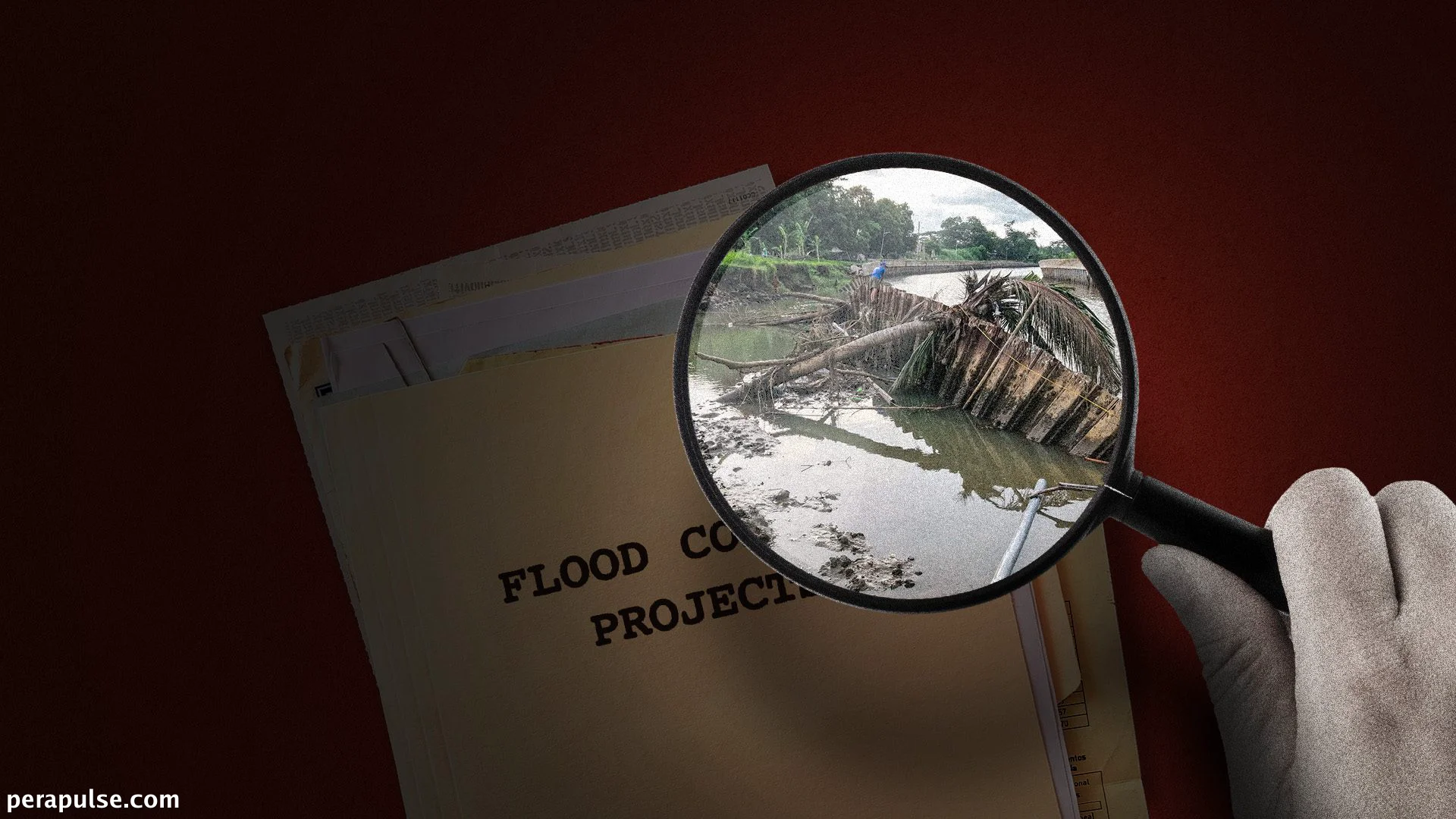
Flood control efforts in the Philippines are plagued by a fundamental misunderstanding of infrastructure needs, resulting in ineffective projects that do not address the systemic nature of flooding.
Mismanagement of Flood Control Resources
A true flood-control system requires a holistic understanding of hydrology, including the behavior of water across catchment areas.
Val A. Villanueva
Historically, flood control has been treated as a series of isolated projects rather than a comprehensive system. This approach has led to substantial investments that fail to provide real protection against floods.
Recent flooding events illustrate this disconnect. For instance, the Pampanga River's overflowing banks put downstream communities at risk, highlighting the need for a basin-wide strategy.
The Pampanga province serves as a key example of this failure. Despite the construction of various flood control measures, the area remains highly susceptible to flooding due to inadequate planning and execution.
Evidence shows that while local authorities have made efforts to elevate roads and improve drainage, these measures do not address the fundamental issue of water management across the basin.
This systemic vacuum has created a paradox in the Philippines: significant public expenditure on infrastructure without meaningful improvement in flood resilience.
The recent national budget shift towards integrated flood management indicates a recognition of these issues. However, it remains to be seen whether this will translate into actionable change.
Ultimately, a shift from piecemeal solutions to a cohesive hydrological strategy is imperative for effective flood control in the Philippines.