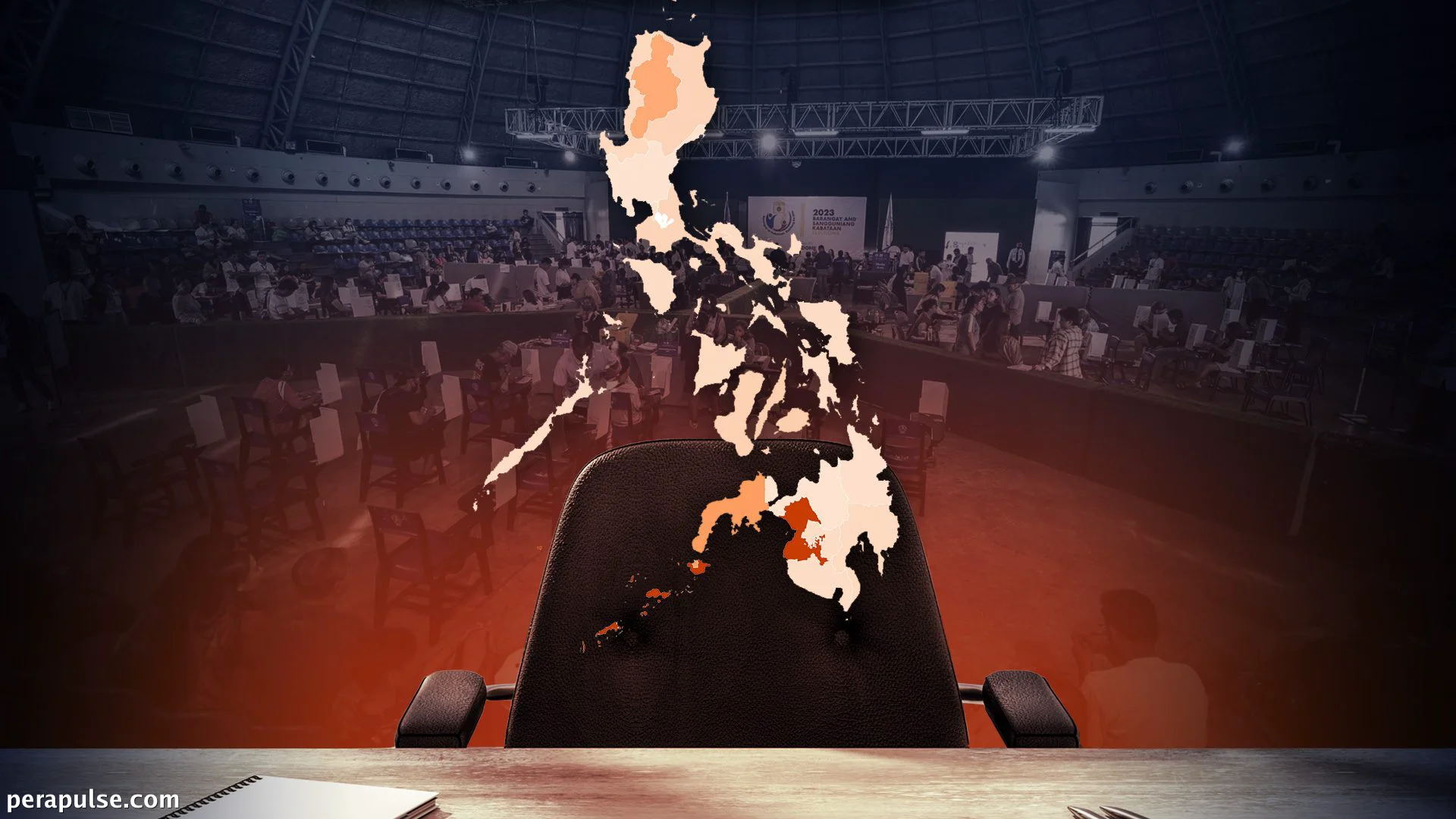
The postponement of the barangay and Sangguniang Kabataan (SK) elections until November 2028 has left 73,731 positions vacant across the Philippines. This situation raises concerns regarding local governance and the representation of youth in various communities.
Impact of Vacant Seats on Local Governance
As of September 29, 2026, nearly 9% of the 840,200 barangay and SK positions remain unfilled due to resignations, deaths, removals, or unexcused absences. This is especially alarming in the Bangsamoro Autonomous Region in Muslim Mindanao (BARMM), which has the highest vacancy rate at 46.54%. In contrast, the Zamboanga Peninsula and the Cordillera Administrative Region follow with vacancy rates of 21.08% and 18.23%, respectively.
“If they’re not planning to serve as public officials for the rest of their lives... then most probably we’ll see a good number of SK officials retiring,” said Ona Caritos, executive director of election watchdog Legal Network for Truthful Elections.
Ona Caritos, Executive Director, Legal Network for Truthful Elections
The absence of elected officials can lead to stagnation in community development and youth engagement. With the elections pushed back by two years, many young leaders may feel disillusioned, viewing their roles as mere stepping stones rather than meaningful positions.
Filling the Vacancies: Options and Challenges
Vacant barangay positions can typically be filled through mayoral appointments, special elections, or during Katipunan ng Kabataan assemblies. However, special elections have often faced delays, and assemblies tend to fail to convene as required, limiting the opportunities for public participation in governance.
- 73,731 vacant positions as of September 29, 2026
- 46.54% vacancy rate in BARMM
- 21.08% vacancy in Zamboanga Peninsula
- 18.23% vacancy in Cordillera Administrative Region
As the DILG continues to grapple with the implications of these vacancies, there is an urgent need for proactive measures to ensure that local governance remains effective and responsive. The prolonged absence of elected officials can hinder community development, especially in regions already struggling with governance challenges.