Malacañang has reiterated its support for the postponement of the barangay and Sangguniang Kabataan elections (BSKE), stating its readiness to defend the decision in the Supreme Court.
This response comes as the Court has requested comments from key government entities regarding a petition filed by election lawyer Romulo Macalintal. He seeks to declare Republic Act (RA) No. 12326 unconstitutional.
Named respondents in the case include the Office of the President, the Senate, the House of Representatives, and the Commission on Elections (Comelec).
Legal Context of the Postponement
Both the Comelec and the Senate have already coordinated with the Office of the Solicitor General, and they are ready to respond immediately once they receive a copy of the petition.
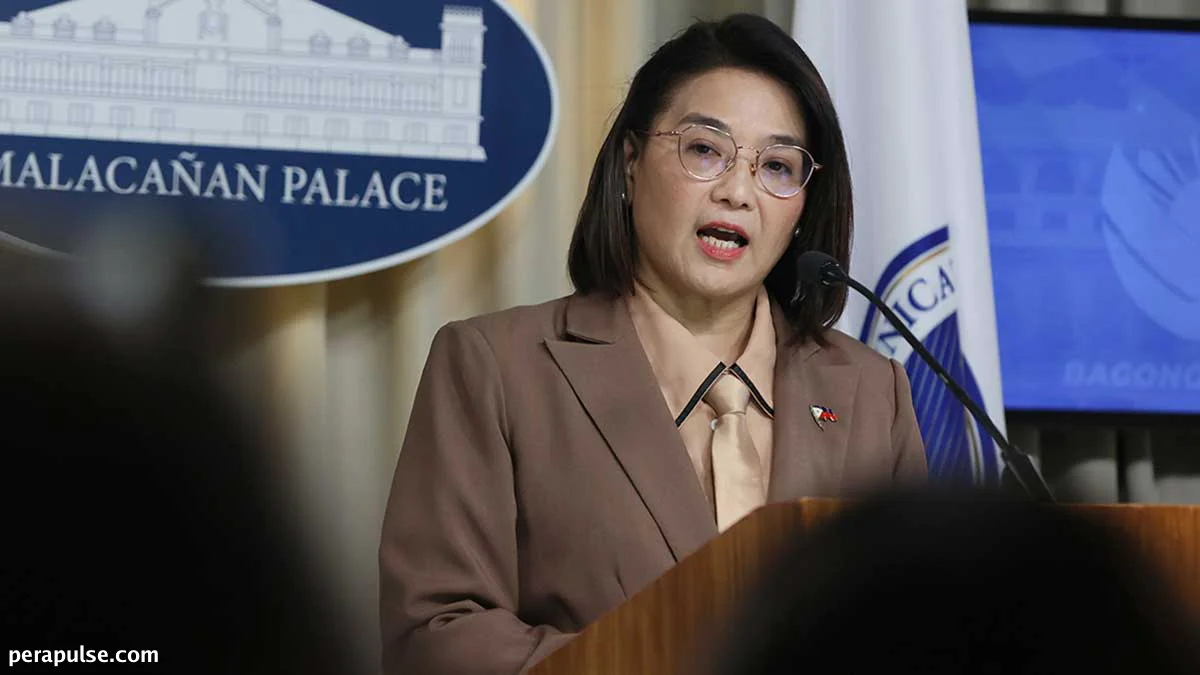
Claire Castro, Malacañang Press Officer
Press officer Claire Castro confirmed that the Office of the Solicitor General is awaiting the petition's details. They plan to comply with the Supreme Court's order to respond within five days.
Castro emphasized the administration's belief in the legality of the new law, asserting it was the right decision as per the President and lawmakers. However, she acknowledged the necessity to abide by the Supreme Court's ruling.
The law sets the next BSKE for November 2028, extending the terms of current officials by two years, a move Macalintal argues infringes on citizens' voting rights.
- RA 12326 extends current officials' terms by two years.
- Next BSKE elections scheduled for November 2028.
The ongoing legal proceedings could have significant ramifications for local governance, particularly how elected officials interact with their constituents. This case highlights the tension between legislative action and electoral rights, a recurring theme in Philippine politics.