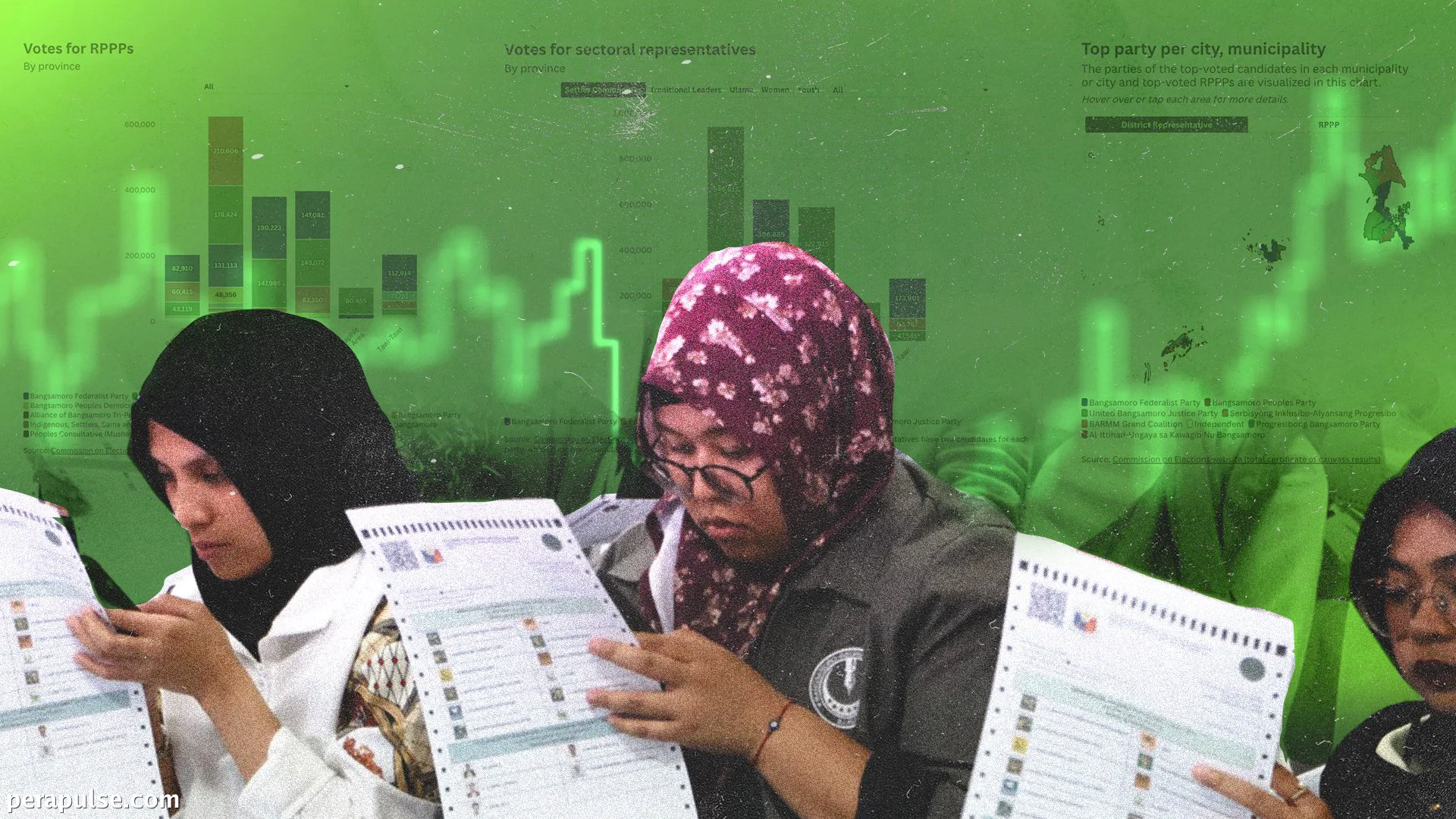
The Bangsamoro Autonomous Region in Muslim Mindanao (BARMM) recently held its first parliamentary elections, resulting in a fragmented parliament with no single party obtaining a majority. The Bangsamoro Federalist Party (BFP) emerged as the largest party, securing 32 seats, while the United Bangsamoro Justice Party (UBJP) followed closely with 30 seats.
Election Outcomes and Party Dynamics
Political endorsements from local leaders significantly influenced the election results. The BFP's success in provinces like Basilan, Maguindanao del Norte, and Tawi-Tawi is attributed to strong backing from local officials, such as governors and mayors.
Despite efforts to curb patronage and dynastic politics, the election results indicate that clan politics remain influential in the Bangsamoro region.
Shay Du, Reporter
In contrast, the UBJP, which was initially anticipated to dominate, only succeeded in the Special Geographic Area (SGA), its traditional stronghold. This area is also the residence of its chairman, Ahod 'Al Haj Murad' Ebrahim.
Provincial Voting Patterns
The BARMM election results reflect distinct voting behaviors across its six provinces. The BFP thrived with local endorsements, whereas the BGC gained significant support from Lanao del Sur, home to over 30% of the region's voting population.
The interim government, known as the Bangsamoro Transition Authority, had aimed to promote representative governance free from political patronage. However, the results demonstrate that familial and clan ties continue to exert a strong influence in the region.
Looking Ahead
As the newly elected parliament prepares to convene, questions arise about its ability to address the challenges posed by entrenched political clans. The quest for a more accountable governance structure remains a critical goal for the BARMM.