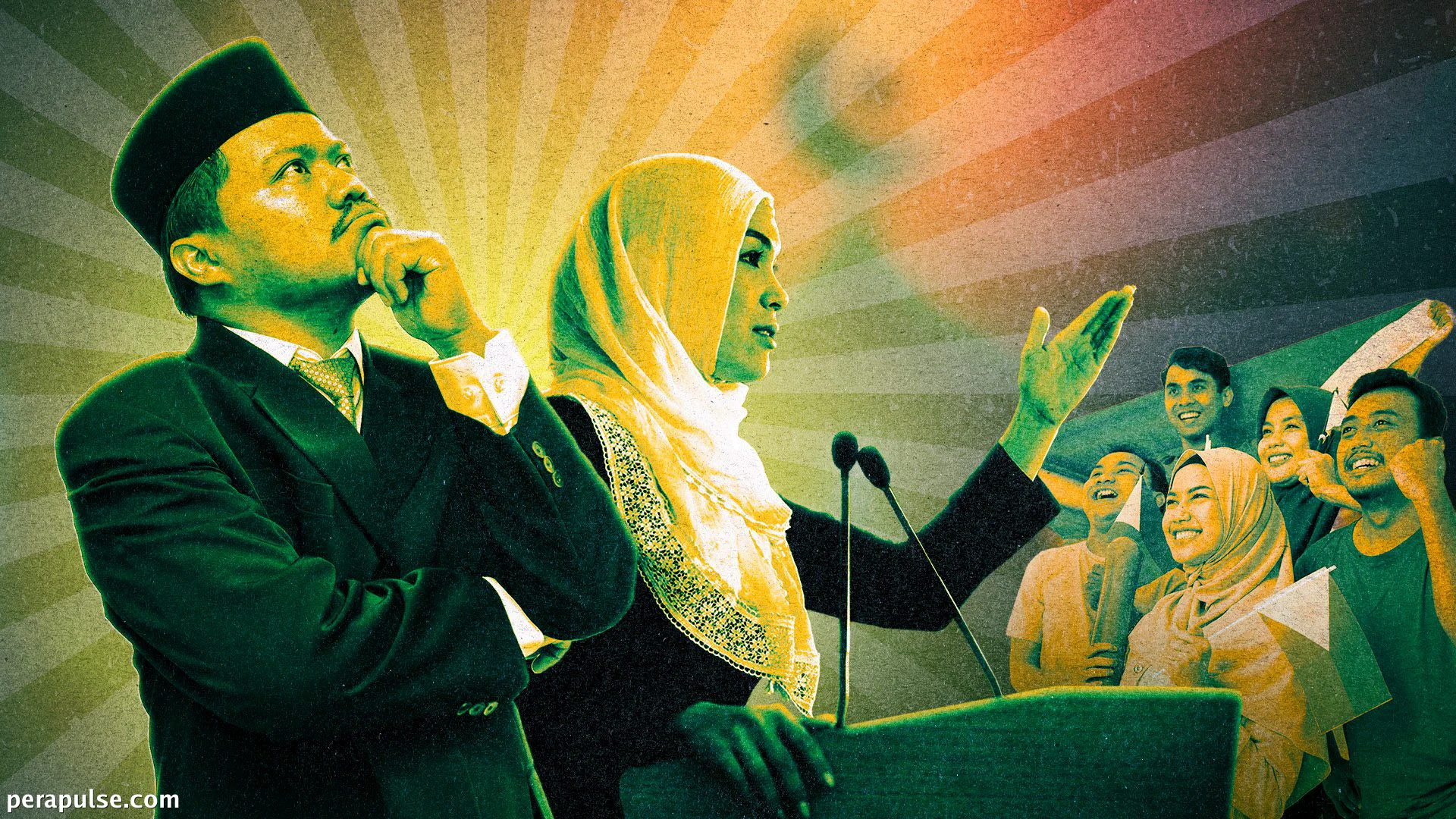
The recent parliamentary elections in the Bangsamoro Autonomous Region in Muslim Mindanao (BARMM) have set the stage for a complex political landscape. With no party achieving a majority, the newly elected parliament faces the pressing task of forming a stable governing coalition.
Elections Results and Party Dynamics
The unofficial results reveal that four parties are likely to secure representation in the 80-member parliament. The Bangsamoro Federalist Party (BFP) leads with 30 seats, closely followed by the United Bangsamoro Justice Party (UBJP) with 29 seats. Meanwhile, clan-led parties account for 19 seats.
Even though the BFP has the most seats, it cannot govern alone. An alliance with the UBJP could create a significant majority, but excluding clan-led parties could jeopardize governance.
The Need for Meaningful Coalition Governance
Successful governance hinges on more than just forming a coalition; it requires a commitment to representation, competence, and accountability. A coalition that prioritizes securing positions over effective governance risks replicating the flaws of traditional political dynamics.
The BFP should focus on a shared governance agenda, such as a Bangsamoro Governance Compact
Transitioning from Peace to Politics
The presence of leaders from the former Moro Islamic Liberation Front (MILF) within the parliament signifies a critical transition from armed struggle to democratic governance. However, the challenge lies in institutionalizing this transition without losing the gains achieved through the peace process.
A coalition between the BFP and UBJP could symbolize a significant step toward integrating the peace process's legitimacy within the new political framework.
Incorporating Clan Politics
The new parliament's composition includes representatives from influential political clans. While often dismissed as merely 'clan politicians,' these individuals represent real constituencies with pressing local concerns.
The challenge for governance is to integrate these local interests into a transparent regional development agenda, ensuring geographic balance and inclusivity in decision-making.
Ensuring a Responsible Opposition
A credible opposition is vital for a healthy parliamentary democracy. The BFP should avoid the temptation to form an oversized coalition that excludes opposition voices, as this could undermine accountability.
The future of BARMM governance will depend on the ability to cultivate a broad coalition alongside a legitimate opposition, fostering a culture of political accountability.
Conclusion
The real test following the elections is whether the new government can deliver tangible improvements in the lives of ordinary Bangsamoro. Achieving this will require a concerted effort to build a coalition that is not only functional but also inclusive and accountable.