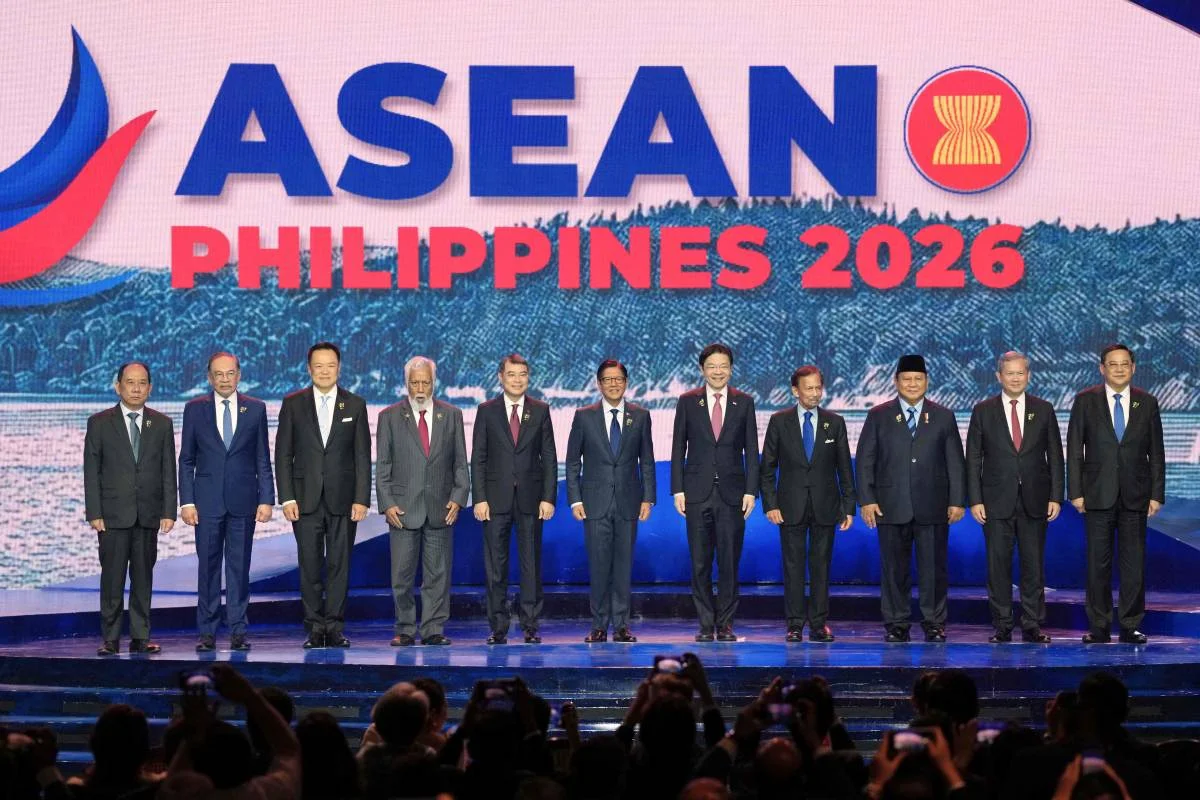
Southeast Asian leaders concluded the 48th ASEAN summit on Saturday with the adoption of a significant declaration on maritime cooperation.
The ASEAN Leaders’ Declaration on Maritime Cooperation underscores the 1982 United Nations Convention on the Law of the Sea (UNCLOS) as the essential legal framework for ocean activities.
It emphasizes the importance of resolving disputes peacefully, adhering to international law.
Key Points of the Declaration
The declaration stresses maintaining peace, stability, and freedom of navigation in the region's maritime areas.
It also highlights the need for unimpeded lawful commerce and secure global energy supply chains.
Concerns regarding disruptions to maritime trade routes and the implications for food supply and logistics were prominently addressed.
Furthermore, the declaration calls for stronger cooperation to protect critical underwater infrastructure amid evolving maritime challenges.
It acknowledges several threats, including marine pollution and biodiversity loss, emphasizing the need for sustainable maritime practices.
Commitments and Future Actions
ASEAN leaders committed to enhancing cooperation in areas such as maritime law enforcement, transport connectivity, and environmental protection.
The declaration also promotes initiatives to combat illegal fishing and address marine litter and plastic pollution.
Plans for establishing an ASEAN Maritime Center in the Philippines aim to bolster regional cooperation on maritime issues.
The declaration reaffirms the region’s collective commitment to boost maritime cooperation.
President Ferdinand Marcos Jr.
In addition to maritime cooperation, other agreements were adopted, including initiatives focused on youth empowerment in climate action and disaster resilience.
The summit also marked the formal integration of Timor-Leste into the ASEAN framework.
President Marcos expressed optimism about enhancing cooperation with the Asian Development Bank on major ASEAN initiatives.