Quezon City is on a mission to reconnect its residents with the city's vibrant history. As the Philippines' largest city in terms of population, it has rapidly evolved into a commercial hub, often overshadowing its rich cultural heritage.
Mayor Joy Belmonte, who has a background in archaeology, emphasizes the need for residents to embrace their local history. "People aren’t really aware of the city’s cultural heritage because they don’t really identify with Quezon City," she noted.
Understanding Quezon City's Cultural Identity
- Quezon City was established in 1939, making it younger than Manila and Cebu.
- The city is known for its microgeographies, each carrying distinct cultural meanings.
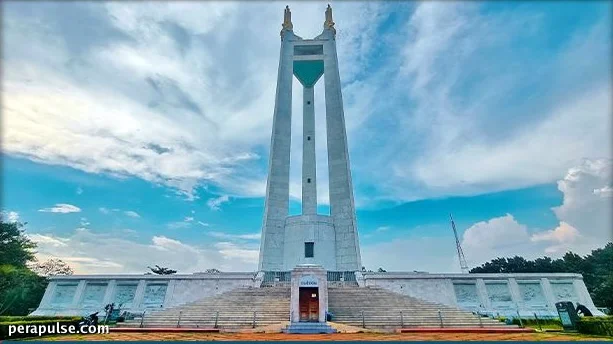
The city's complex identity stems from its planned nature, originally envisioned by Manuel L. Quezon. This vision included green spaces and socialized housing, which are still visible today in areas like the Quezon Memorial Circle.
Efforts to Reshape the Narrative
To rekindle awareness of its historical significance, the city has initiated several projects. Plans include local archaeological excavations and the establishment of a dedicated city museum.
Belmonte's administration has also focused on historical sites linked to key figures in Philippine history, such as Tandang Sora, who is commemorated at the Tandang Sora Shrine.
Community Engagement and Heritage Trails
Programs like the Heritage Trail initiative aim to engage residents more actively. By visiting historical sites, residents can earn stamps on a passport that leads to rewards, making the exploration of history a fun activity.
Belmonte encourages professionals, students, and artists to contribute to the city’s historical narrative, fostering a deeper connection to their roots.
A City with a Bright Future
As Quezon City aims to revive its historical significance, the challenge lies in bridging the gap between rapid urbanization and cultural awareness. With the right initiatives, it may successfully rediscover its historical soul.