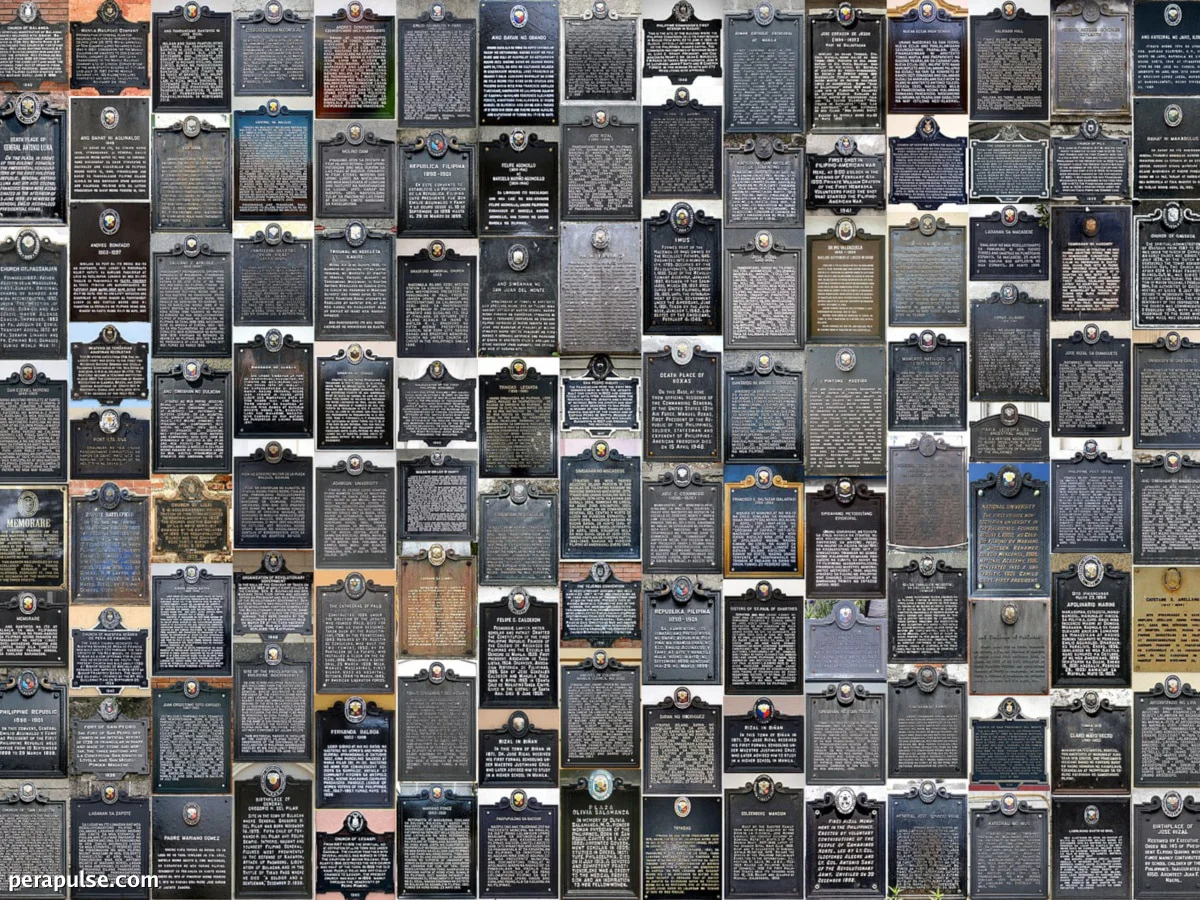
Isang inisyatibong boluntaryo ang nagbabago kung paano naa-access ng mga Pilipino ang mga makasaysayang marker ng kanilang bansa. Sa pamamagitan ng pag-digitize ng mga lokasyon at detalye ng mga commemorative plaque na ito, layunin ng proyekto na itaas ang pampublikong kamalayan sa mayamang pamana ng Pilipinas.
Pagtatambal ng Kasaysayan at Teknolohiya
Ang mga makasaysayang marker, na kadalasang gawa sa metal o bato, ay nagtataguyod ng mga makabuluhang kaganapan, lugar, o tauhan sa kasaysayan ng Pilipinas. Nagsimula ang praktikang ito noong ika-19 na siglo sa England, na kalaunan ay kumalat sa buong mundo.
Ang mga modernong makasaysayang marker sa Pilipinas ay itinatag noong 1934, na sinimulan ng mga Amerikano sa pamamagitan ng Historical Research and Markers Committee.
Eugene Alvin Villar, Heritage Advocate
- Mahigit 1,800 makasaysayang marker ang tinatayang umiiral sa Pilipinas.
- Patuloy na nag-iinstall ng mga bagong marker ang National Historical Commission of the Philippines.
Gayunpaman, ang mga tumpak na tala ng mga marker na ito ay nananatiling mahirap mahanap. Marami ang nawala o nasira sa paglipas ng mga taon, partikular na noong Ikalawang Digmaang Pandaigdig. Ang kasalukuyang mga pagtataya ay nagpapahiwatig na habang mahigit 1,800 marker ang naitala, maaaring mas mataas pa ang aktwal na bilang.
Ang hindi pagkaka-access ng impormasyon tungkol sa mga marker na ito ay lalong nagpapahirap sa mga pagsisikap na makilahok ang publiko. Ang National Historical Commission ay may dalawang website para sa mga makasaysayang lugar, ngunit parehong may problema sa luma o hindi kumpletong datos.
Isang Solusyong Digital na Pinapatakbo ng Komunidad
Mula noong 2016, ang mga boluntaryo mula sa Wiki Society of the Philippines ay nagpasya na idokumento ang mga makasaysayang marker gamit ang mga platform tulad ng Wikidata at Wikimedia Commons. Ang kolaboratibong pagsisikap na ito ay nagresulta sa paglikha ng Historical Markers Map, na nagpapahintulot sa mga gumagamit na tuklasin ang mga lokasyon ng mga marker nang interaktibo.
Ang mapang ito ay hindi lamang nagpapahusay ng pampublikong access kundi nagsisilbing heograpikal na tala ng makasaysayang alaala ng bansa, na nag-uugnay ng mga lugar sa kanilang makasaysayang kahalagahan.
Hinihimok ng inisyatibang ito ang mga kontribusyon mula sa publiko, partikular sa anyo ng mga litrato ng mga marker na hindi pa naidokumento. Sa pamamagitan ng pagpapahusay ng visibility ng mga marker na ito, layunin ng proyekto na palakasin ang mas malalim na pagpapahalaga sa kultural na pamana ng Pilipinas.
Tumingin sa Hinaharap
Habang patuloy na ipinagdiriwang ng Pilipinas ang National Heritage Month tuwing Mayo, ang mga proyektong tulad nito ay nagpapaalala sa atin ng kahalagahan ng pag-preserve ng ating kasaysayan. Ang pakikilahok ng mga susunod na henerasyon sa mga pagsisikap na ito ay nagsisiguro na ang pamana ng nakaraan ay mananatiling buhay.