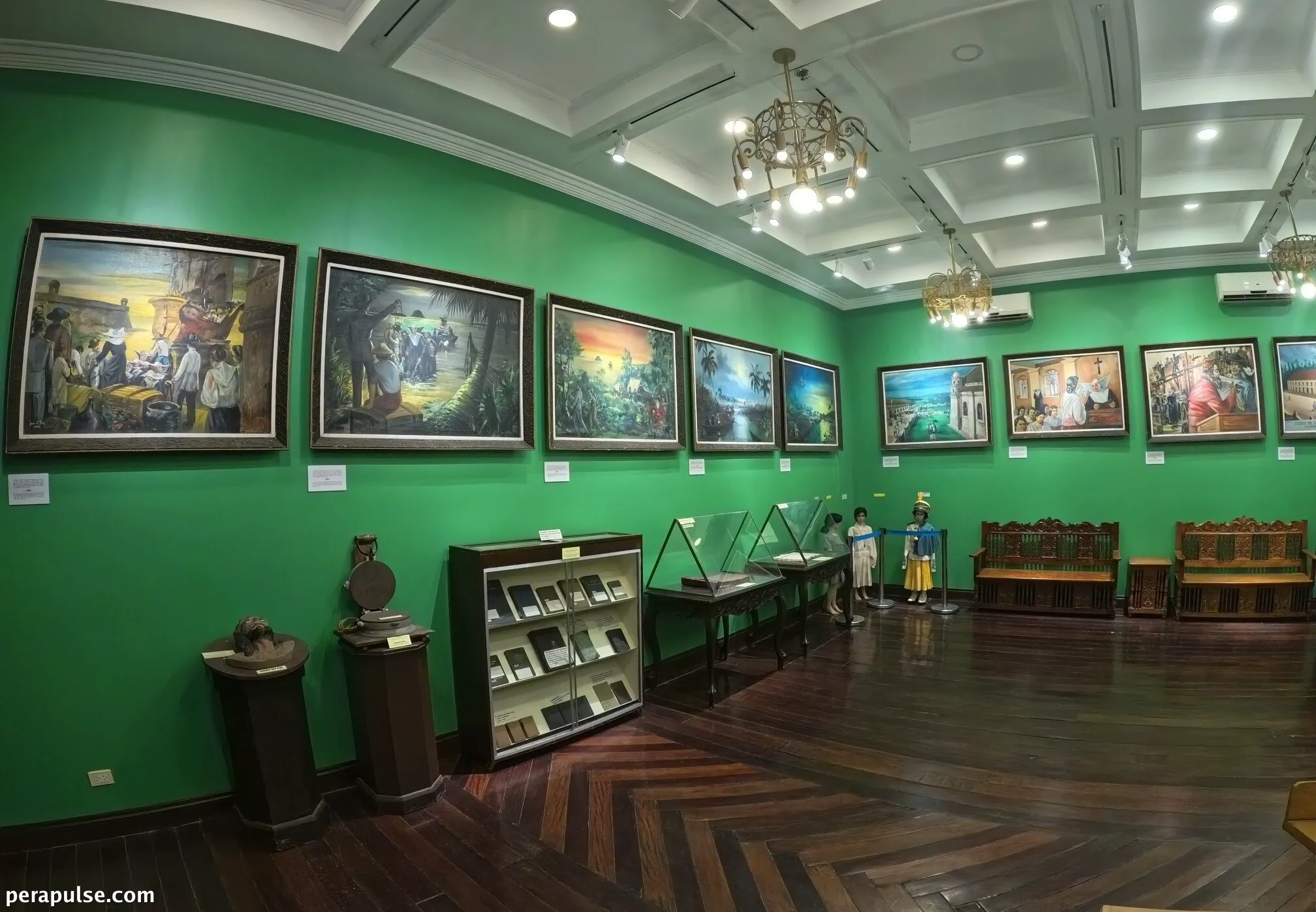
Tucked away in the grounds of the Universidad de Sta. Isabel, the Museo Histórico de la Universidad de Sta. Isabel is a treasure trove of Philippine history, offering insights into women's education and the nation's evolution since the late 19th century.
A Revolutionary Vision for Women's Education
By educating women, you can educate the world.
Luis Banzuela, Museum Curator
Originating in 1868 through the vision of Bishop Francisco Gainza, the university was the first in Southeast Asia dedicated to women's education, a progressive move for its time when women's roles were primarily domestic. The museum narrates this groundbreaking journey with artifacts that illustrate the institution's historic commitment to female empowerment.
- Paintings from the 1968 centennial celebration depicting the university's founding.
- Original uniforms designed to promote equality among students from different backgrounds.
The museum's exhibits include a replica of the *saya negra suelta*, a dress worn by students to eliminate class distinctions. Such initiatives reflect the university's ethos of inclusivity and social equality.
Relics and Historical Narratives
The museum houses an impressive collection of religious relics, including a notable gift from Queen Isabella II, which symbolizes the deep-rooted connection between the institution and the Catholic Church. This relic, linked to St. Elizabeth of Hungary, also reportedly contains a fragment of the True Cross.
Aside from religious artifacts, the museum highlights the university's role during the Philippine Revolution and World War II, showcasing artifacts that tell stories of resilience and struggle during tumultuous times.
Despite its rich offerings, the museum maintains a low profile, relying on the compelling narratives within its walls rather than grand displays. Each corner of the museum resonates with stories of revolutionaries, educators, and the evolution of women's roles in society.
A Must-Visit for History Enthusiasts
As Naga City continues to grow, the Museo Histórico de la Universidad de Sta. Isabel remains a vital link to the past, making it a must-visit for anyone interested in understanding the historical context of women's rights and education in the Philippines.