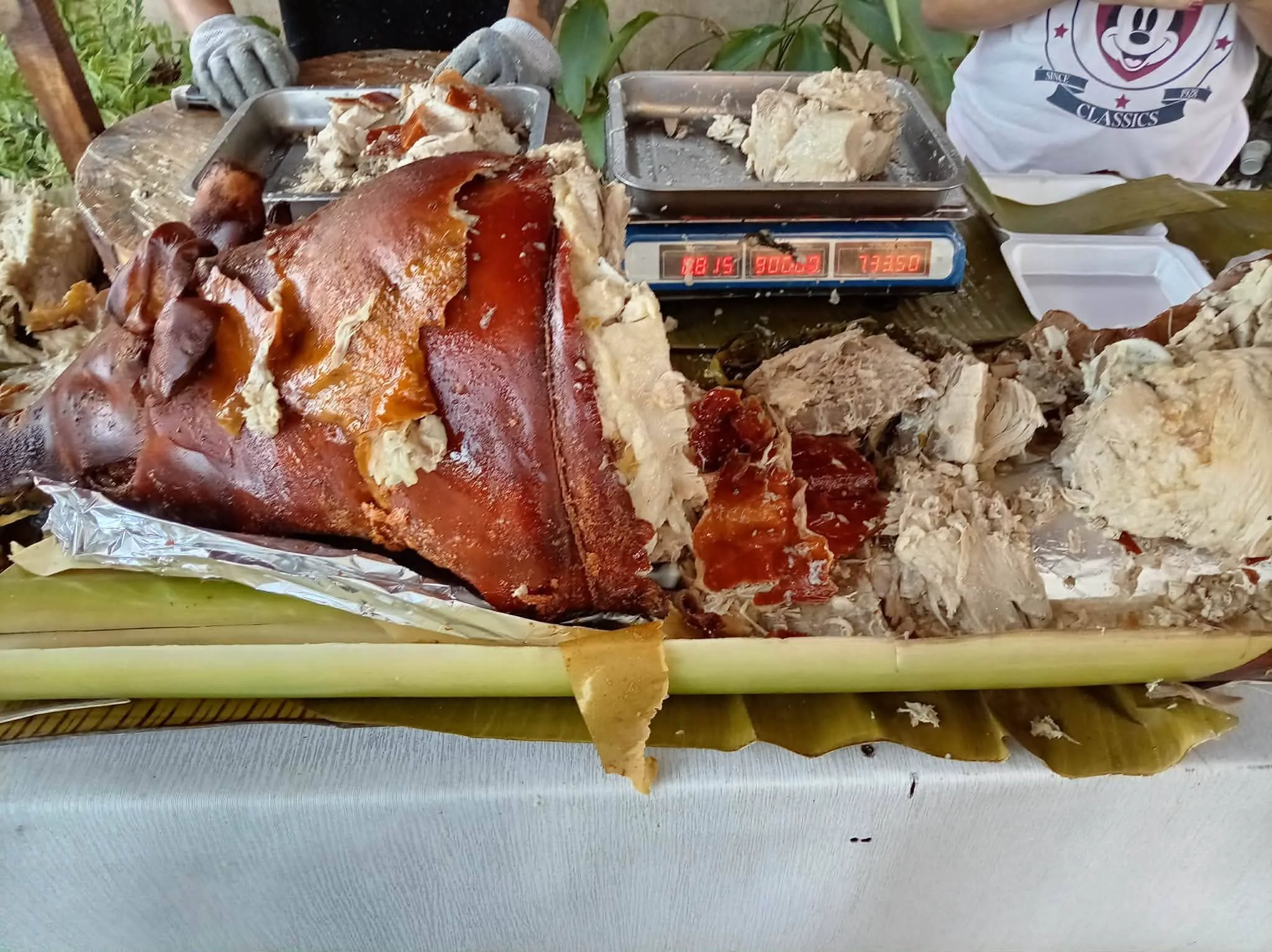
In Cebu, confiscated meat products, known as 'hot meat,' are seized to curb the spread of animal diseases. This includes popular items like lechon, pork, and other meats transported without proper permits.
Dr. Jessica Maribojoc, officer-in-charge of the Department of Veterinary Medicine and Fisheries (DVMF) in Cebu City, stated that these products are either buried or incinerated to prevent them from reentering the market.
“We are looking after public safety and food safety,” said Dr. Maribojoc.
Dr. Jessica Maribojoc, DVMF
To dispose of the confiscated items, the DVMF collaborates with third-party providers for incineration, as its own facility is currently unavailable.
Recent Confiscations
Last Sunday, DVMF personnel and the Cebu City Police Office seized three lechons weighing a total of 87 kilos from vendors in Barangays Apas and Lahug. These vendors lacked the necessary permits, violating City Ordinance No. 2189.
According to Republic Act No. 9296, also known as the Meat Inspection Code of the Philippines, all meat sold for public consumption must be inspected to ensure safety and compliance with regulations.
The confiscation was part of a broader operation targeting unregulated slaughtering and undocumented meat products, which pose significant public health risks.
Local officials noted that inspections are crucial, especially during the summer months when demand for lechon increases.
The confiscated lechon was disposed of through burial at Block 27 in the North Reclamation Area.