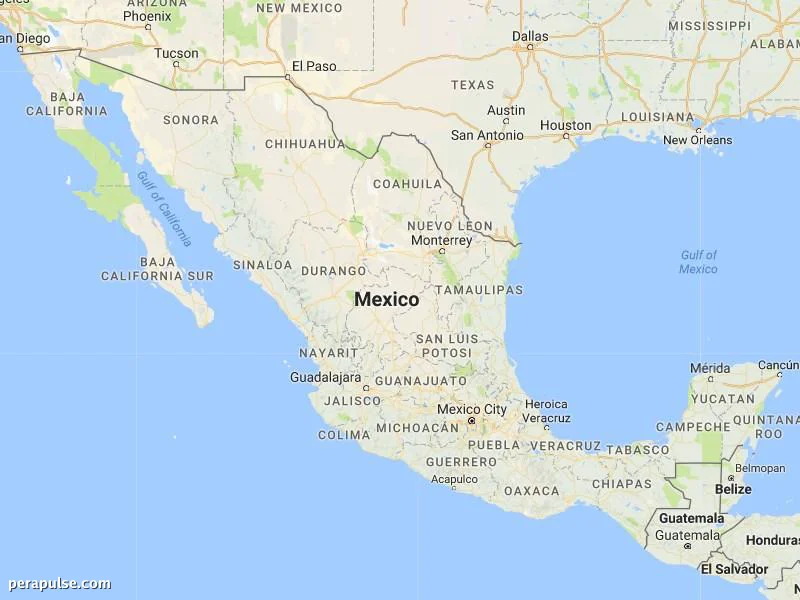
A disturbing report from Greenpeace has revealed that drinking wells and sinkholes in Mexico's Yucatan state are contaminated with fecal bacteria. The organization points to nearby pig farms and municipal wastewater as likely sources of this pollution.
The environmental group is calling for an immediate halt to new industrial livestock operations and any expansions of existing farms. The Yucatan, rich in ancient Maya history, faces a serious threat to its water quality.
In August, Greenpeace commissioned an independent laboratory to analyze water samples from 17 sites close to Merida, including wells, community water points, and local cenotes. Every sample showed some level of contamination linked to fecal waste.
Alarming Pollution Levels
A range of chemical and microbiological indicators reveal a complex mosaic of severe, localized organic pollution.
Greenpeace
The testing results were alarming: total coliform bacteria reached the upper limit in 16 out of the 17 samples, with fecal coliforms also elevated in 13. While the tests did not specify whether the contamination originated from human or animal waste, the report raises significant accountability questions regarding local pig farms.
- Over 500 industrial pig farms in Yucatan state, many near Indigenous lands.
- Only 22 of 257 pig farms have environmental impact studies.
The Yucatan region lacks above-ground rivers, making groundwater the primary source of fresh water. Its porous limestone bedrock enables pollutants to infiltrate quickly, threatening the aquifer that supplies drinking water to about 30% of local residents.
Marcos Orellana, a former UN Special Rapporteur, highlighted the urgency of the situation, stating that contaminants from industrial farms reach community water sources used for bathing and cooking. He criticized the lack of required permits for most farms and pointed out that governmental efforts to address the issue have been inadequate.
In defense of the local pork industry, Antonio Zumarraga from the Yucatan Citizen Scientific Water Observatory argued that the sector has made investments in water treatment and conservation. He criticized local authorities for their inaction, suggesting that without political pressure, the issue may remain unresolved.