In the Philippines, respiratory syncytial virus (RSV) poses significant health risks, especially to infants and young children. Health experts are calling on families to recognize the warning signs of RSV and seek timely medical advice.
Understanding the Risks of RSV
The Research Institute for Tropical Medicine (RITM) 2024 Annual Report indicates that RSV primarily affects children under two years old, with a notable prevalence in infants aged five months and younger.
Parents and caregivers should remain vigilant because RSV can lead to serious respiratory illness, including pneumonia, in infants. Awareness of possible symptoms and prompt consultation with a healthcare professional are important, especially for very young babies.
Dr. Anna Belen I. Alensuela, POGS
- RSV is the most common virus detected in hospitalized children under five with severe pneumonia.
- Peak RSV activity occurs from May to November in the Philippines.
The 'Bawat Hinga ay Mahalaga' campaign aims to educate families about RSV and its symptoms. During a recent roundtable discussion in Mandaluyong City, medical experts stressed the importance of early recognition and action.
Dr. Martha Aquino, President of the Philippine Infectious Diseases Society for Obstetrics and Gynecology, highlighted that most children experience at least one RSV infection by age two due to their developing immune systems.
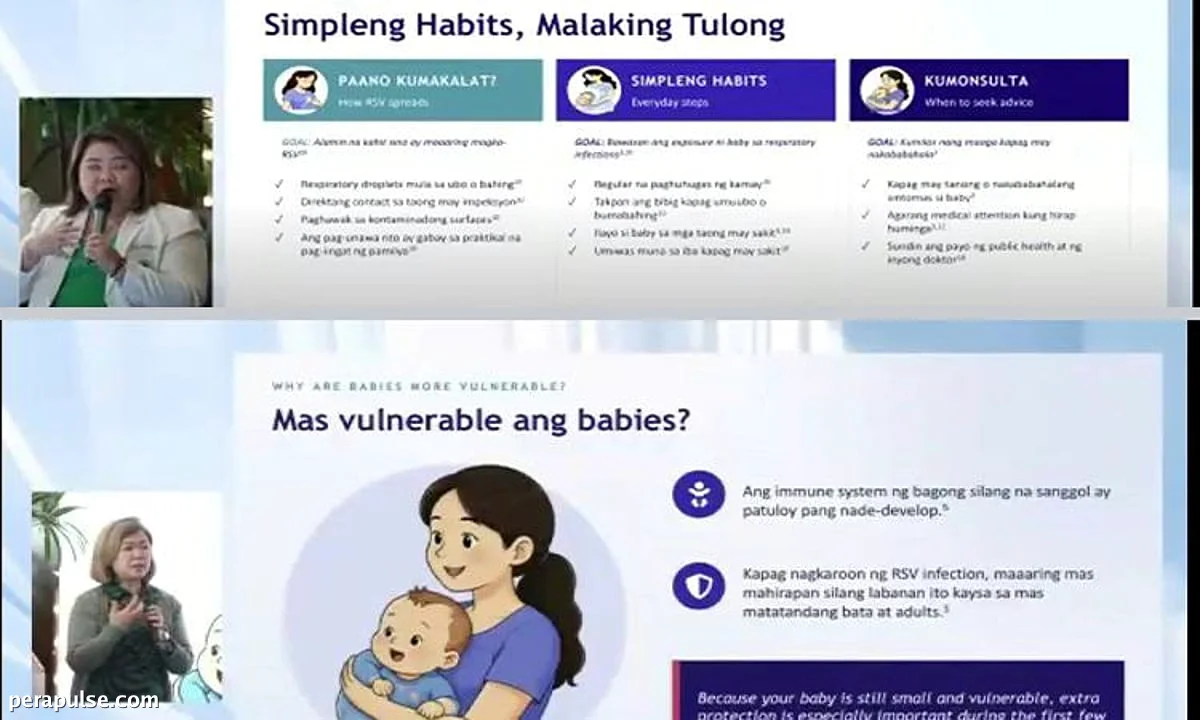
RSV spreads through respiratory droplets and contact with contaminated surfaces. Understanding how the virus transmits can help families take preventive measures.
Key Symptoms to Watch For
Symptoms of RSV may initially resemble a common cold but can escalate, particularly in young infants. Parents should monitor for:
- Wheezing or unusual breathing sounds
- Fast or labored breathing
- Poor feeding or decreased fluid intake
- Irritability or lethargy
Health professionals urge caregivers to seek immediate medical attention if a child exhibits significant breathing difficulties or severe symptoms.
Every Family’s Role in Prevention
Experts advise simple practices to reduce RSV exposure, such as regular handwashing and avoiding contact with sick individuals. Dr. Aquino noted that these actions can significantly protect very young infants.
The goal of the 'Bawat Hinga ay Mahalaga' campaign is to empower families to recognize the signs of RSV and respond proactively, ensuring every child's health is prioritized.
For more information on RSV and its management, families can visit BeRSVAware.ph.