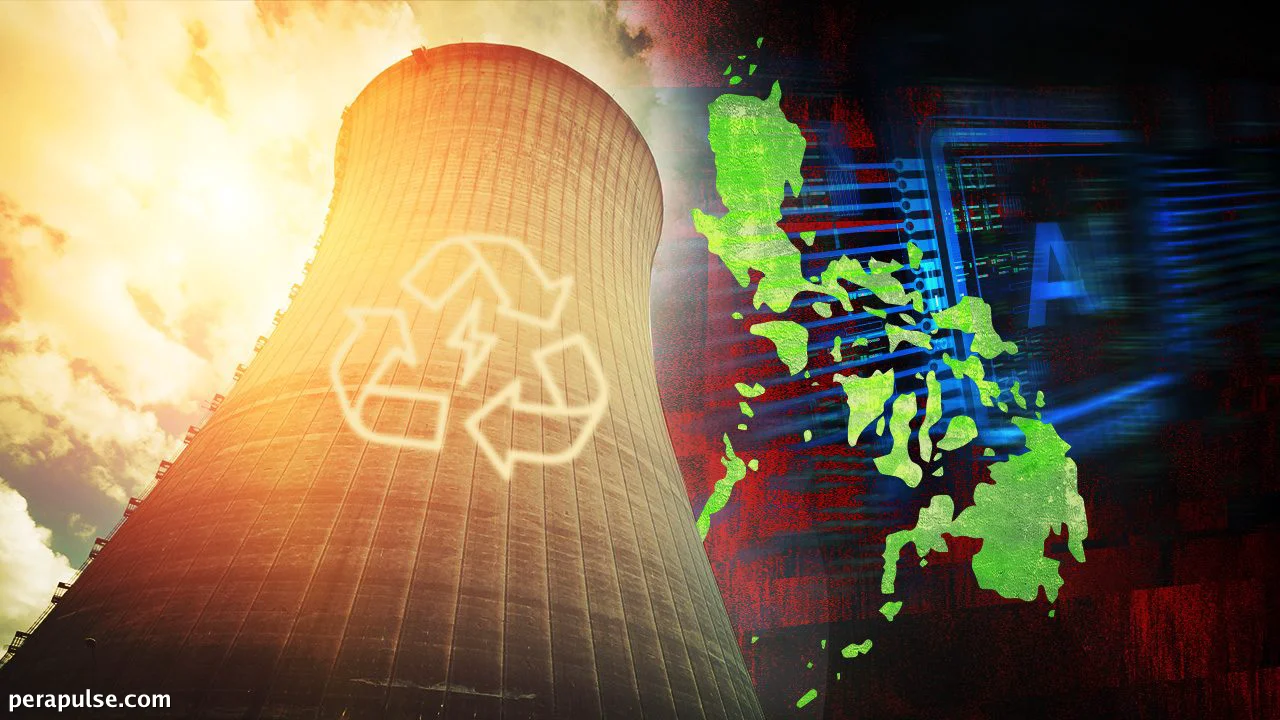
The Department of Energy (DOE) is considering the possibility of establishing a nuclear reactor at the Pax Silica industrial hub in Tarlac, which will demand around 3,000 megawatts of power. This exploration comes as the government seeks efficient energy solutions for the ambitious project.
Patrick Aquino, DOE Director IV, confirmed on November 4 that the discussions include various energy options, including nuclear. However, he emphasized that specific commitments regarding the reactor's location or specifications have not been finalized.
Energy Supply Challenges and Regulatory Hurdles
Acquiring enough energy without straining nearby communities remains a significant challenge for the Pax Silica project. Energy Secretary Sharon Garin has previously highlighted that drawing such a substantial load from the grid could pose risks to ordinary consumers.
In response, the DOE aims for businesses within Pax Silica to generate their power, considering renewable sources and natural gas as alternatives. Despite the nuclear option being on the table, regulatory frameworks for small modular reactors are still in development, leading to concerns over safety and licensing.
“Nuclear is heavily regulated, so we have to defer to the regulatory body, PhilATOM, on the necessary licensing for site and safe operations,” said Aquino.
Patrick Aquino, DOE Director IV
Skepticism about the nuclear proposal is growing. Experts warn it could lead to underutilized infrastructure if the anticipated investment and demand do not materialize. Giovanni Tapang, a former dean at UP Diliman, raised concerns about creating costly energy infrastructure without guaranteed returns.
Tony La Viña, an environmental lawyer and former Ateneo School of Government dean, echoed similar apprehensions, stating that the country lacks the regulatory capacity for nuclear energy and that safety and waste management remain unresolved issues.
Historical Context and Future Implications
The discussion around nuclear energy in the Philippines recalls past attempts to harness this power source. The country has historically struggled with energy supply issues, and any move towards nuclear energy must be approached cautiously to avoid repeating mistakes from previous exploitative arrangements.
As the government gears up for potential agreements during upcoming diplomatic engagements, concerns linger about the transparency of the Pax Silica project and its implications for Filipino communities and industries. The need for a balanced approach that prioritizes safety, economic viability, and community impact has never been more critical.