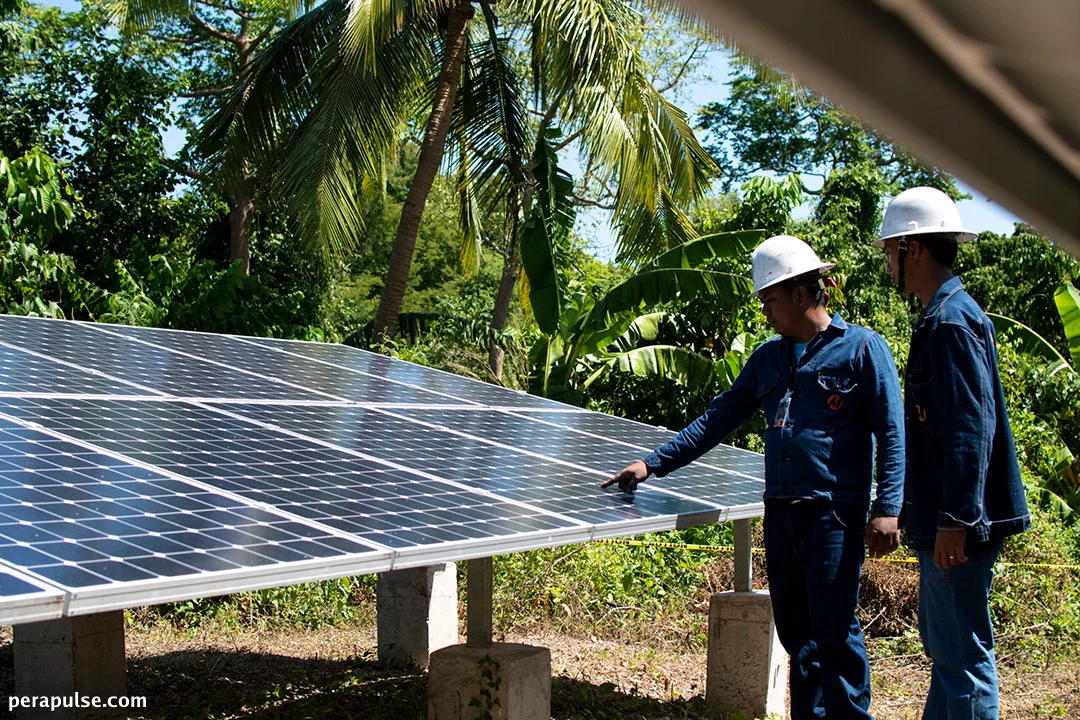
The Asian Photovoltaic Industry Association (APVIA) has proposed a major shift in energy sourcing for remote missionary communities in the Philippines, advocating for the retirement of diesel generators in favor of solar power and battery storage.
According to APVIA, this transition could significantly reduce the recurring costs of fuel, ultimately benefiting consumers and lowering government subsidies.
Financial Implications for Consumers and Government
Every peso spent hauling diesel to an island is a peso that comes back to Filipino households through the UCME, or to the government through the budget.
Theresa C. Capellan, APVIA Steering Committee Chairperson
Currently, consumers linked to the main grid contribute to a universal charge for missionary electrification (UCME), which subsidizes off-grid power costs. This charge stands at P0.3397 per kilowatt-hour.
- Generating power in NPC-served islands costs about P18 per kWh on average.
- In some remote areas, costs can reach as high as P62 per kWh.
In comparison, on-grid consumers typically pay between P5 and P8 per kWh.
The APVIA asserts that solar power is now among the most affordable electricity sources globally, and combining it with battery storage can provide reliable energy after sunset.
The Department of Energy (DoE) is taking steps to facilitate this transition by organizing a green energy auction targeting NPC-served areas, with plans to replace diesel plants in 20 larger islands.
The government estimates that this shift to solar and battery systems could potentially halve the UCME.
APVIA and industry partners are urging continued collaboration with the government to tackle financial and regulatory challenges to expedite solar energy deployment in missionary areas.