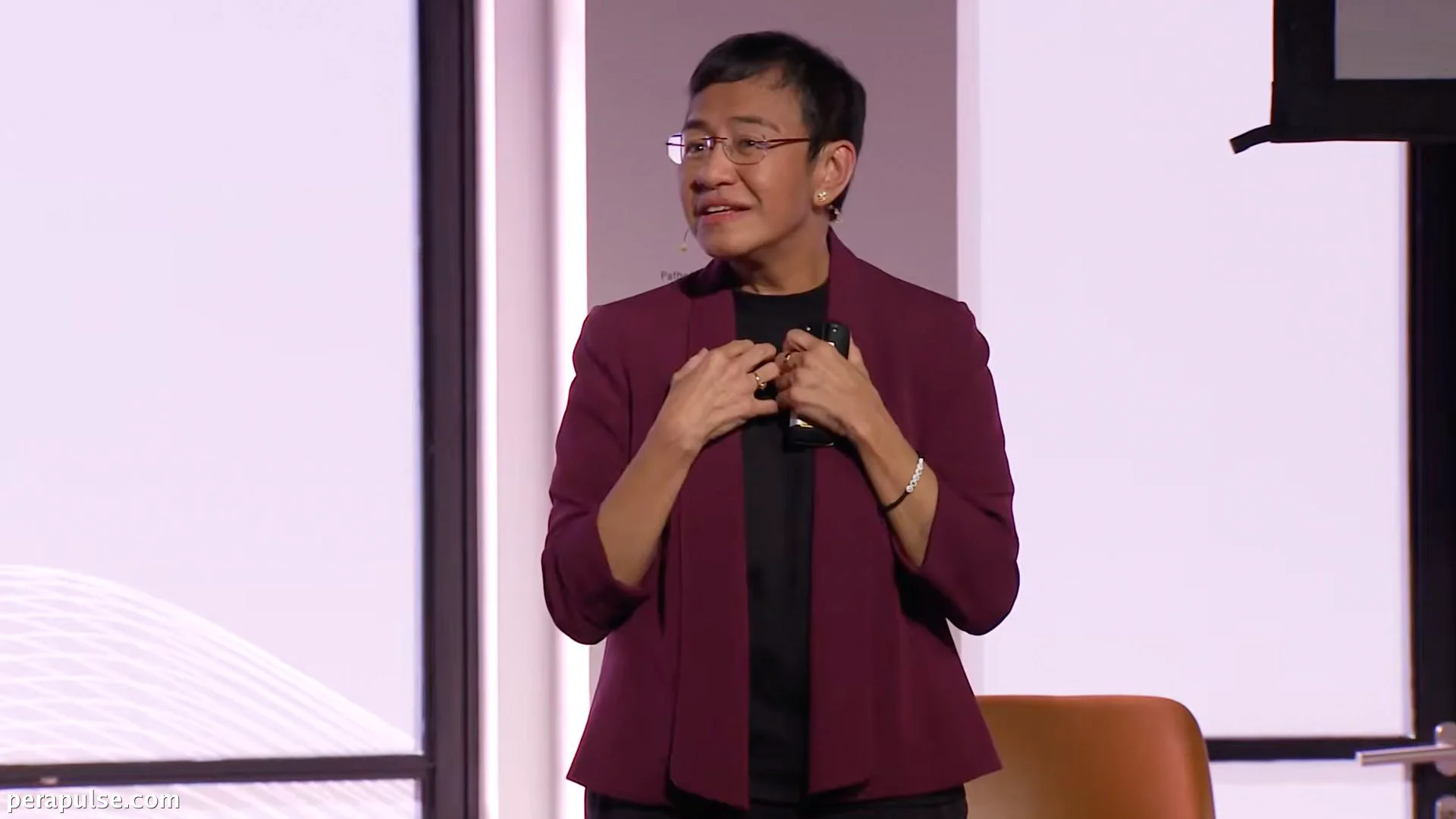
Sa Nobel Peace Conference 2026, si Maria Ressa, CEO ng Rappler at laureate ng Nobel Peace Prize, ay nanawagan sa mga mamamahayag na magkaroon ng pagmamay-ari sa teknolohiya na nagdidikta kung paano naihahatid ang balita.
Sa kanyang pagsasalita noong Setyembre 3, binigyang-diin ni Ressa ang mga panganib na dulot ng artipisyal na katalinuhan at mga lipas na modelo ng negosyo sa industriya ng media. Binigyang-diin niya na upang mapanatili ang integridad ng impormasyon, dapat maging 'mga tagabuo ng teknolohiya' ang mga mamamahayag.
Ang Hamon ng Isang Nagbabagong Tanawin ng Media
Ang tanging paraan upang magkaroon ka ng integridad ng impormasyon ay para ang mga mamamahayag ay maging mga tagabuo ng teknolohiya. Dapat tayong bumuo, pagmamay-ari natin ang ating data, pagmamay-ari natin ang teknolohiya.
Maria Ressa, CEO ng Rappler
Nagbabala si Ressa na maraming mga organisasyon ng balita ang maaaring hindi makaligtas sa susunod na ilang buwan kung hindi sila makakaangkop sa mabilis na nagbabagong tanawin ng teknolohiya. Binanggit niya na ang tradisyonal na pag-asa sa mga platform tulad ng Google at social media ay humihina habang ang AI ay maaari nang magbigay sa mga gumagamit ng direktang sagot nang hindi sila dinadirekta sa mga orihinal na pinagkukunan ng balita.
- Inilarawan ni Ressa ang kasalukuyang kapaligiran ng media bilang isang 'information armageddon.'
- Nanawagan siya ng sama-samang aksyon upang lumikha ng mga alternatibong imprastruktura para sa pamamahayag.
Binanggit niya ang pagbuo ng Rappler ng isang aplikasyon gamit ang Matrix protocol bilang modelo para sa mga organisasyon ng balita na sundan. Ang app na ito, na orihinal na nilikha para sa Rappler, ay ngayon ay pinalawak upang suportahan ang iba pang mga grupo ng media.
Isang Panawagan para sa Teknolohikal na Kalayaan
Ang mensahe ni Ressa ay umuugong sa mas malawak na talakayan tungkol sa interseksyon ng teknolohiya at demokrasya. Sa pag-unlad ng AI na mas mabilis kaysa sa mga regulasyon, lumalaki ang potensyal para sa maling impormasyon at pagbagsak ng tiwala ng publiko sa media.
Bilang co-chair ng Independent International Scientific Panel on Artificial Intelligence ng UN, aktibong kasangkot si Ressa sa pagtuklas ng mga implikasyon ng AI sa lipunan at demokrasya. Kamakailan ay nagtaas ng mga alalahanin ang panel tungkol sa epekto ng teknolohiya sa ibinahaging realidad at pakikilahok ng mamamayan.
Ang pagsusulong ni Ressa para sa mga mamamahayag na bumuo at magmay-ari ng kanilang teknolohiya ay hindi lamang isang panawagan sa aksyon; ito ay isang kinakailangang hakbang upang mapanatili ang hinaharap ng pamamahayag sa isang lalong awtomatikong mundo.