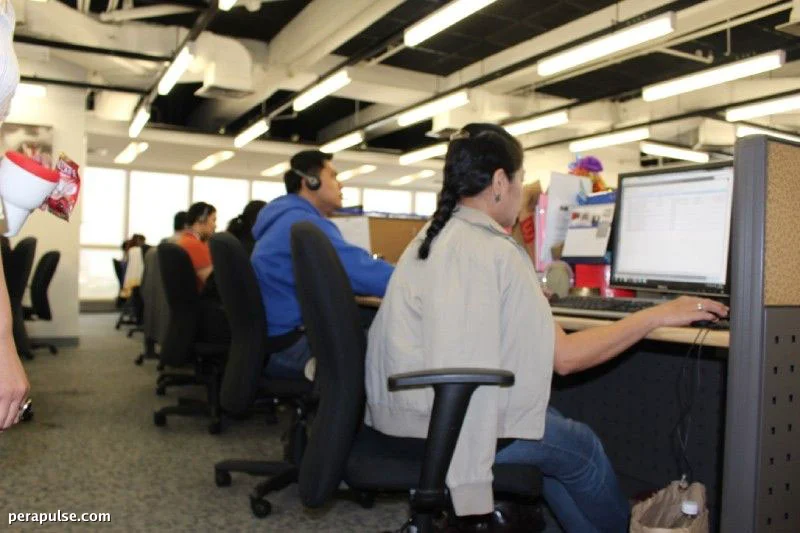
Binibigyang-diin ng HSBC na ang sektor ng business process outsourcing (BPO) sa Pilipinas ay nananatiling matatag sa kabila ng mga takot sa pagkagambala mula sa artificial intelligence (AI). Sa isang kamakailang ulat, itinuro ni Frederic Neumann, Chief Asia Economist ng HSBC, na ang industriya ng BPO ay hindi lamang nagpapanatili ng kanyang katayuan kundi talagang nakikinabang mula sa mga pag-unlad sa teknolohiya.
Papel ng AI sa Katatagan ng BPO
Walang 'apocalypse' sa mga trabaho sa serbisyo sa Pilipinas — kung mayroon man, ang empleyo ay bumilis. — Frederic Neumann, Chief Asia Economist, HSBC
- Tumaas ang mga export ng serbisyo ng Pilipinas ng 6.9% taon-taon sa Q2 2026.
- Inaasahang tataas ang kita ng BPO ng 2.5% sa $34.3 bilyon pagsapit ng 2026.
Tinutukoy ni Neumann na habang may mga inaasahan na ang AI ay mag-aautomate ng maraming serbisyo, ang sektor ay hindi nagpapakita ng mga palatandaan ng pagbagsak. Iminungkahi niya na ang mga pagtaas sa produktibidad na ibinibigay ng mga tool ng AI ay maaaring talagang magpahusay sa mga kakayahan ng mga manggagawa sa BPO sa halip na palitan sila.
Ang katatagan ng sektor ng BPO ay maaaring maiugnay sa ilang mga salik, kabilang ang mabagal na pag-aampon ng AI sa industriya at ang suporta na inaalok ng AI para sa mga umiiral na operasyon. Ang dinamikong ito ay nagdulot ng tuloy-tuloy na pagtaas sa kita mula sa mga ibang serbisyo sa negosyo, partikular ang mga BPO.
Ayon sa Philippine Statistics Authority, patuloy na lumalawak ang mga export ng serbisyo, na nakamit ang makabuluhang 6.9% na paglago sa ikalawang kwarter ng 2026, na lumampas sa 2.6% na paglago na naitala sa unang kwarter.
Inaasahan ng Bangko Sentral ng Pilipinas na ang mga export ng serbisyo ay lalago ng 3% taon-taon, na umaabot sa $53 bilyon pagsapit ng 2026. Sa inaasahang pagtaas ng kita ng BPO, ang sektor ay nasa magandang posisyon upang manatiling isang pangunahing bahagi ng ekonomiya ng Pilipinas.