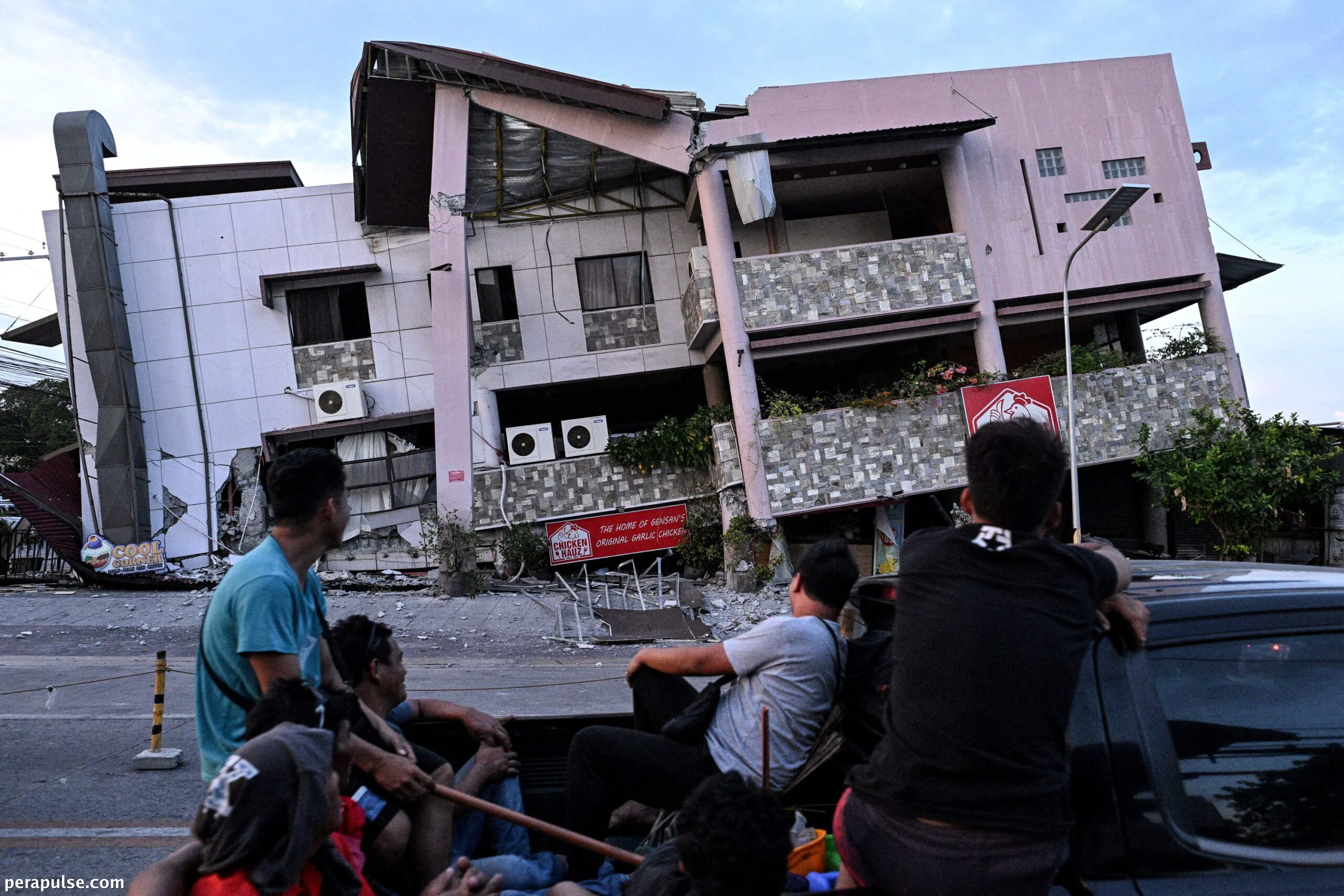
The Philippines, situated along the Pacific Ring of Fire, is highly susceptible to earthquakes. This vulnerability stems from its location where several tectonic plates converge, resulting in frequent seismic activity.
Over the years, the country has experienced several significant earthquakes that have caused extensive damage and loss of life. Here’s a timeline of the most destructive earthquakes since 1990.
Major Earthquakes Impacting the Philippines
- 1990 Panay earthquake: A magnitude 7.1 quake struck Panay Island on June 14, resulting in 8 deaths and over P30 million in damages.
- 1990 Luzon earthquake: A devastating magnitude 7.8 earthquake on July 16 led to 2,412 fatalities and extensive destruction across northern Luzon.
- 1994 Mindoro earthquake: This 7.1 magnitude earthquake on November 15 caused 78 deaths and significant infrastructural damage.
- 2002 Palimbang earthquake: A magnitude 6.8 quake on March 6 resulted in 8 deaths and affected thousands of families in Mindanao.
- 2012 Negros Oriental earthquake: A magnitude 6.9 earthquake on February 6 led to 51 deaths and P383 million in damages.
- 2013 Bohol earthquake: Striking on October 15, this 7.2 magnitude quake killed 222 people, damaging 79,000 structures.
- 2019 Mindanao earthquakes: A series of quakes in October caused at least 6 deaths and left 8,000 residents homeless.
- 2022 Northwestern Luzon earthquake: A 7.0 magnitude quake on July 27 resulted in 11 deaths and over P2.6 billion in damages.
- 2025 Cebu earthquake: A magnitude 6.9 quake on September 30 killed at least 81 people and caused widespread destruction.
- 2025 Davao Oriental earthquakes: Magnitude 7.4 and 6.8 quakes struck on October 10, killing at least 10 and injuring 176.
- 2026 Sarangani earthquake: A powerful magnitude 7.8 earthquake on June 8 resulted in at least 45 deaths and widespread damage.
The impact of these earthquakes is profound, not just in terms of immediate casualties but also in long-term economic and infrastructural consequences. The repeated seismic events highlight the need for improved preparedness and resilience in earthquake-prone areas.
