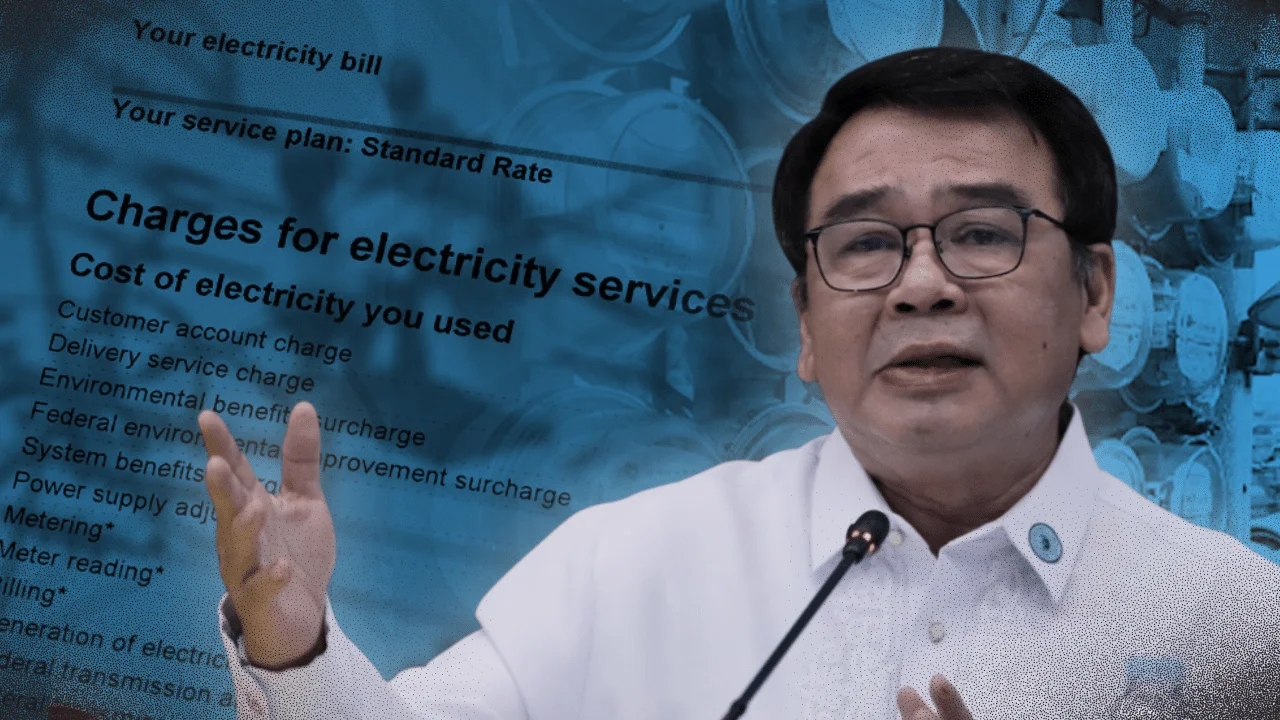
Former Bayan Muna Representative Neri Colmenares has strongly criticized the recent spike in electricity rates, which have reached a staggering P14.35 per kilowatt-hour. He labeled this surge as a form of 'legalized robbery' targeting ordinary Filipinos.
Colmenares called on the Manila Electric Company (Meralco) to renegotiate its power supply agreements, advocating for a shift from dollar-indexed contracts to peso-denominated ones. He argued that consumers should not have to bear the financial burden caused by the depreciation of the peso.
Why are the people being made to pay for the peso’s depreciation? Meralco earns billions while the risk is passed on to households already struggling with poverty.
Neri Colmenares
Colmenares also criticized the application of a 12-percent value-added tax on system loss charges, likening it to paying for goods without receiving any tangible benefit. He emphasized that consumers should not be held accountable for inefficiencies or illegal connections that Meralco is responsible for.
He questioned the fairness of charging consumers for electricity that is lost due to system inefficiencies, stating, 'In system loss, you pay 12% VAT—but what do you take home? Nothing.'
Meralco has yet to respond to Colmenares' remarks. Previously, the company attributed the rate increase to rising electricity generation costs linked to escalating oil prices.
Colmenares also highlighted Meralco's slow transition to renewable energy. He noted that some distribution cooperatives achieve lower rates through renewable sources, while Meralco remains heavily reliant on imported fuels, which are more susceptible to global market fluctuations.
Only 10% of Meralco’s energy is renewable. Every movement in the world market results in bill shock for consumers. This is the consequence of a monopoly reliant on foreign interests.
Neri Colmenares
For Bayan Muna, the group insists on removing VAT from system loss and other pass-through charges. They advocate for government intervention to subsidize lifeline rates instead of imposing additional costs on regular consumers.
The Energy Regulatory Commission previously stated that the additional charges on electricity bills, particularly those related to socialized subsidies and renewable energy programs, are mandated by law and should not be considered profit for distribution companies.