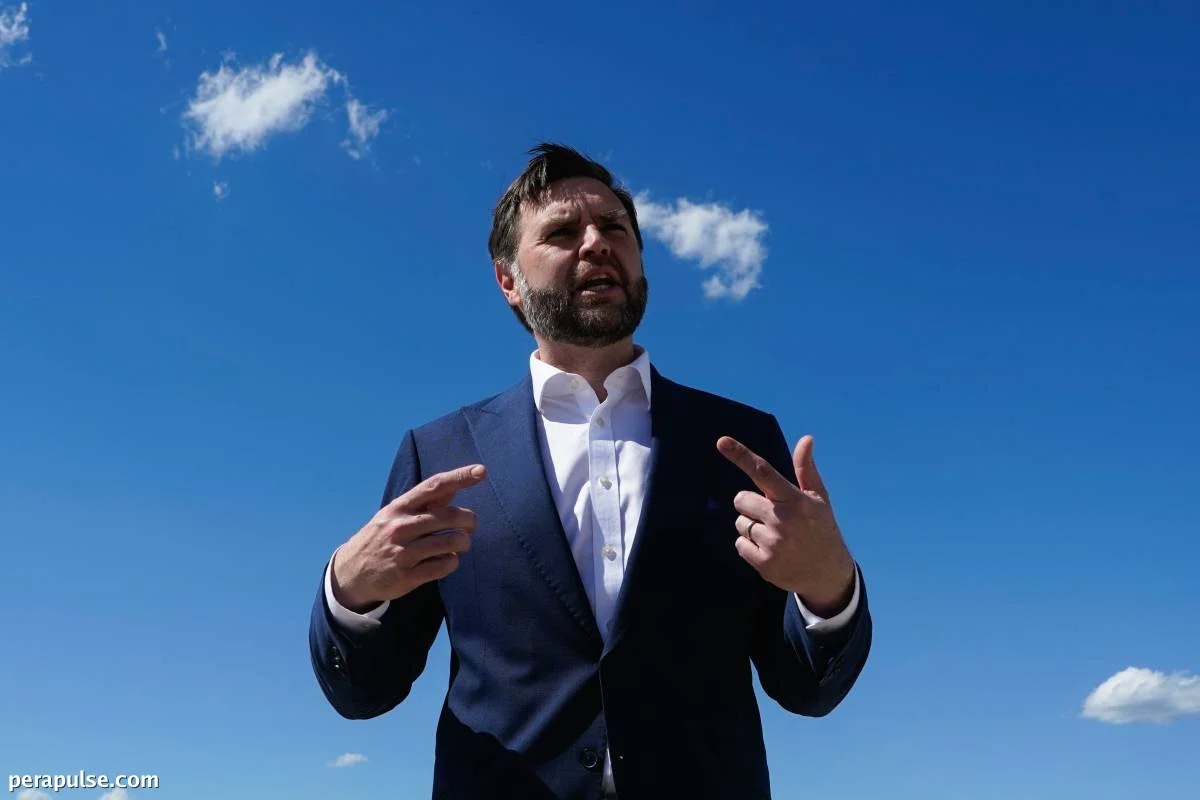
US Vice President JD Vance arrived in Switzerland on Sunday to initiate negotiations with Iranian officials aimed at curbing Iran's nuclear program. This visit follows a recently signed framework and comes at a tense time, with ongoing hostilities in Lebanon.
Critical Talks Amid Regional Tensions
The talks will include Pakistani Prime Minister Shehbaz Sharif and army chief Field Marshal Asim Munir.
Pakistani Ministry of Foreign Affairs
The negotiations, held at the Bürgenstock resort near Lucerne, come after a week marked by escalating violence in Lebanon involving Hezbollah and Israeli forces. This backdrop complicates the already precarious discussions.
Vance's participation aligns with efforts from special envoy Steve Witkoff and Jared Kushner, who are already engaged in the technical aspects of the talks. Their joint approach is crucial as the US aims to stabilize the region.
While Vance's presence signals a high-level commitment, he plans to leave most negotiations to his team. His involvement has drawn increased scrutiny, particularly as he considers a presidential run in 2028.
The agreement reached last week allows Iran to resume oil sales and access frozen assets, a move that has drawn criticism from various factions within the US. Opponents liken it to former President Obama’s nuclear deal, which they argue failed to curb Iran’s nuclear ambitions.
With global oil prices already fluctuating due to the recent conflicts, the outcome of these talks will be closely monitored by markets, especially with the summer travel season approaching.
The current agreement permits commercial vessels to navigate the Strait of Hormuz without charges for 60 days, but tensions remain high as neither Israel nor Hezbollah are part of this deal. Israeli leadership has vowed to maintain military presence in southern Lebanon.