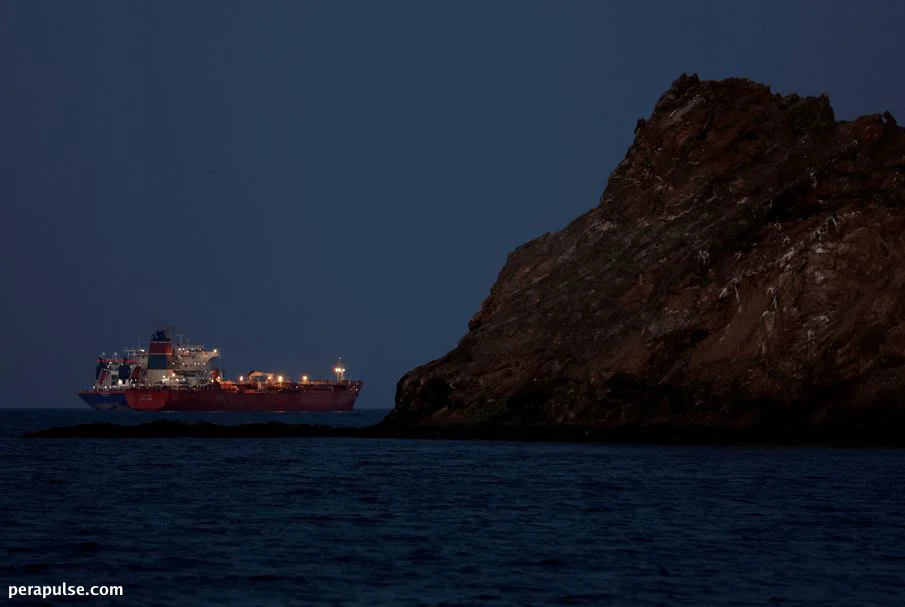
Noong Hulyo 15, 2026, inilunsad ng Estados Unidos ang mga airstrike laban sa mga sistema ng depensa sa baybayin at mga site ng missile ng Iran, na nagpapalalim sa kasalukuyang pabagu-bagong sitwasyon sa rehiyon.
Tumaas ang Tensyon Kasunod ng Naval Blockade
Kami ay nasa isang mahalaga at pang-eksistensyal na digmaan sa Amerika.
Mohammad Baqer Qalibaf, Iranian Negotiator
Ang mga aksyong ito ay naganap kaagad pagkatapos na muling ipinatupad ng U.S. ang isang naval blockade sa mga daungan ng Iran. Iniulat ng U.S. Central Command na natapos ang mga pag-atake sa Greater Tunb Island ng Iran sa loob ng humigit-kumulang 90 minuto.
Tumaas ang sitwasyon matapos ideklara ng Iran na isinara nito ang
Tumaas ang presyo ng Brent crude sa $84.95 bawat bariles, na nagpapakita ng mga alalahanin tungkol sa pandaigdigang suplay ng enerhiya habang ang mga aktibidad militar ay nakagambala sa pagpapadala sa lugar.
Binibigyang-diin ng pamunuan ng Iran, kasama ang negosyador na si Mohammad Baqer Qalibaf, na ang kanilang seguridad ay nakasalalay sa pagkontrol sa
Banta ni U.S. President Donald Trump na tutukuyin ang mga planta ng kuryente at tulay ng Iran kung hindi muling magsisimula ang mga negosasyon, na nagpapahiwatig ng posibleng pag-akyat sa hidwaan.
Tumugon ang Iran sa pamamagitan ng pag-angkin ng mga pag-atake sa mga target ng militar ng U.S. sa rehiyon, at nagbigay ng pahiwatig na gagamitin ang mga kaalyado nito upang guluhin ang iba pang mga kritikal na daanan ng pagpapadala, kabilang ang Bab el-Mandeb.
Ang nagpapatuloy na hidwaan ay nagresulta sa makabuluhang mga casualty, kabilang ang mga ulat ng pagkamatay ng mga sibilyan sa Iran dahil sa mga pag-atake ng U.S., pati na rin ang mga pag-atake ng Iran sa mga komersyal na sasakyang-dagat.
Sa pagbulusok ng pansamantalang kasunduan sa tigil-putukan, parehong tila nakatayo ang mga panig sa kanilang mga posisyon, na nagdudulot ng takot sa karagdagang karahasan at kawalang-tatag sa isang rehiyon na kritikal sa pandaigdigang seguridad ng enerhiya.