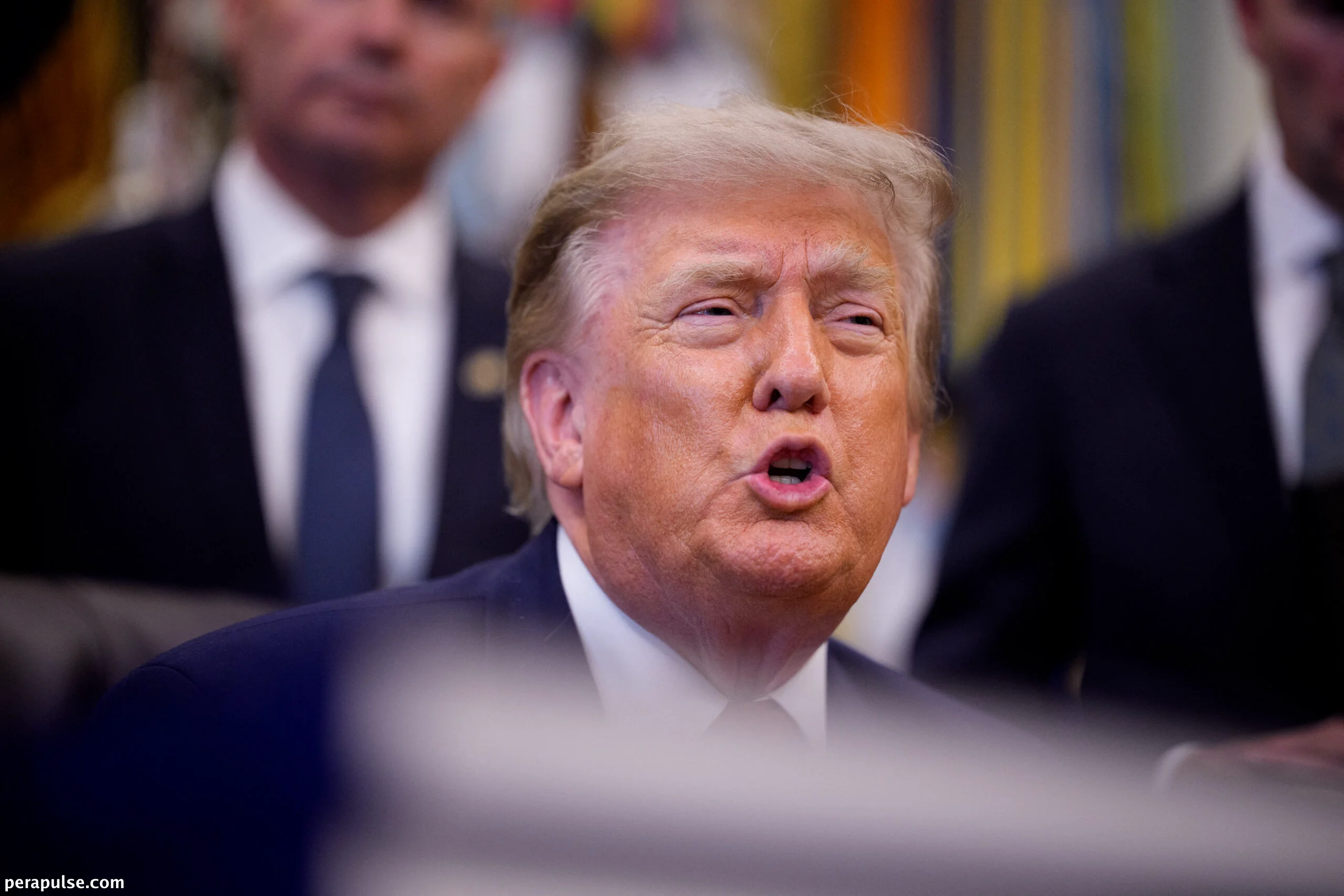
U.S. President Donald Trump has thrown a major wrench into the recently signed nuclear deal with Saudi Arabia by declaring that its approval hinges on the kingdom recognizing Israel. This announcement, made on July 13, 2026, has raised eyebrows in Riyadh and beyond.
A Shift in Diplomatic Landscape
The deal will be approved, but is totally subject to Saudi Arabia joining the very respected and successful Abraham Accords.
Trump on Truth Social
This new condition comes despite Saudi Arabia's longstanding resistance to normalizing relations with Israel without a clear path to Palestinian statehood. The civilian nuclear agreement, which had been touted as a significant diplomatic achievement, now faces uncertainty.
Press Secretary Karoline Leavitt emphasized that Trump has discussed the necessity of recognizing Israel in past conversations with Saudi officials. However, the lack of immediate reaction from Riyadh suggests a potential diplomatic fallout.
Regional Implications and Concerns
Israeli Prime Minister Benjamin Netanyahu hailed the potential recognition from Saudi Arabia as a 'historic leap' for Middle Eastern peace. However, analysts warn that forcing normalization could backfire. H.A. Hellyer, a senior fellow at the Royal United Services Institute, stated that it's doubtful Saudi Arabia would reverse its long-held stance.
Critics of the deal have expressed concerns that it could trigger a nuclear arms race in a region already fraught with conflict. Trump has stated that there will be no uranium enrichment as part of the agreement, but fears remain about Saudi Arabia's nuclear ambitions.
This development occurs against the backdrop of escalating tensions in the Middle East, particularly with Iran's nuclear program and the ongoing conflict in Yemen, where Houthi rebels have increased their attacks.
As Washington prepares to submit the deal to Congress for review, bipartisan concerns linger regarding the implications of a nuclear-capable Saudi Arabia.