Inanunsyo ng Estados Unidos ang isang makabuluhang kasunduan sa sibil na nuklear kasama ang Saudi Arabia noong Hulyo 22, 2026, na naglalayong magtatag ng isang programa ng nuklear sa bansa sa Gulpo. Ang pag-unlad na ito ay naganap habang patuloy na hinaharap ng US ang Iran tungkol sa mga ambisyon nito sa nuklear.
Mga Pangunahing Detalye ng Kasunduan
Sama-sama, ang dalawang kasunduang ito ay naglalatag ng legal na pundasyon para sa isang dekadang pakikipagsosyo na nagkakahalaga ng bilyon-bilyong dolyar na nagtataguyod ng ilang prayoridad na layuning pang-ekonomiya at estratehiya, kabilang ang hindi paglaganap ng nuklear. (cite: US Energy Department)
- Kasama sa kasunduan ang dalawang kasunduan: isa sa mapayapang kooperasyon sa nuklear at isa pa sa bilateral na mga proteksyon.
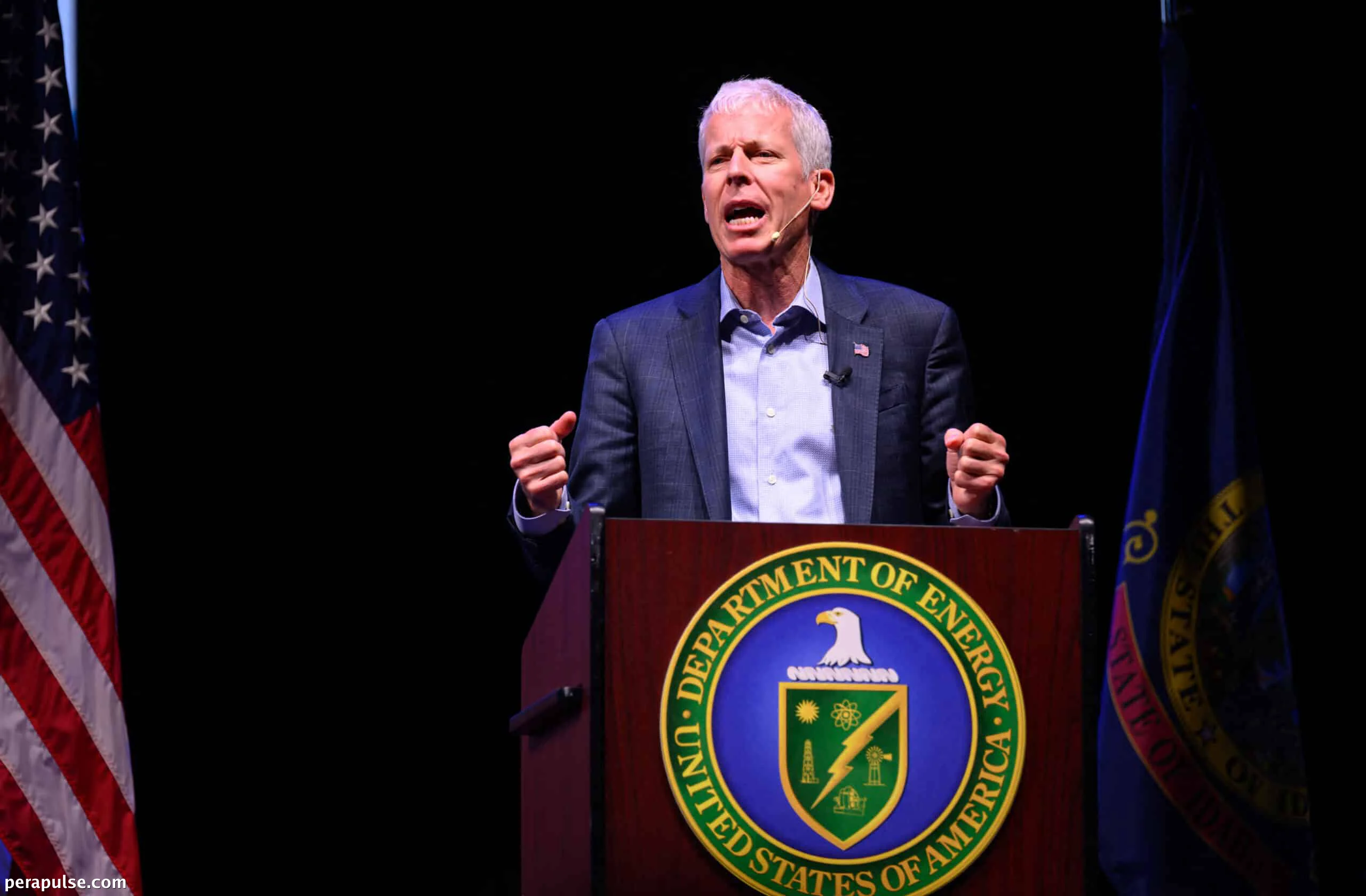
- Nilagdaan nina US Energy Secretary Chris Wright at Saudi Energy Minister Prince Abdulaziz bin Salman ang mga kasunduan.
Bagamat hindi inihayag ang mga detalye ng mga kasunduan, may mga ulat na nagmumungkahi na maaaring payagan ang mga kumpanya ng US na magtayo ng pasilidad para sa pagyaman ng uranium sa Saudi Arabia. Hindi kinumpirma o itinanggi ng US Energy Department ang mga bulung-bulungan na ito.
Ang pakikipagsosyo sa nuklear na ito ay isusumite sa Kongreso para sa pagsusuri, na may mga inaasahan na ang lehislaturang may nakararaming Republican ay hindi tututol dito.
Mga Alalahanin sa Paglaganap ng Nuklear
Ang anunsyo ay nagdulot ng alarma sa mga mambabatas ng US at mga opisyal ng Israel na natatakot na maaaring gamitin ng Saudi Arabia ang kasunduang ito upang bumuo ng mga sandatang nuklear. Ipinahayag ng mga kritiko na ang hakbang na ito ay salungat sa nakasaad na layunin ng US na pigilan ang paglaganap ng nuklear sa rehiyon.
Kinondena ni Senator Bernie Sanders ang kasunduan, na nagsasabing ito ay nagpapahina sa mga pagsisikap na pigilan ang pagyaman ng nuklear sa mga awtoritaryan na rehimen.
Pinanatili ng Saudi Arabia ang karapatan nito na ituloy ang isang programa ng nuklear, na ipinakita sa pamamagitan ng kamakailan lamang na kasunduan sa mutual na depensa nito sa Pakistan, isang bansang may sandatang nuklear.
Noong 2009, nakipagkasundo ang Estados Unidos sa isang katulad na kasunduan sa kooperasyon sa nuklear sa United Arab Emirates, ngunit ang kasunduang iyon ay hindi pinapayagan ang pagyaman ng uranium.
Nagpahayag ang mga eksperto ng pag-iingat tungkol sa mga implikasyon ng bagong kasunduang ito, na nagsasaad na ang pagpapahintulot sa Saudi Arabia na magyaman ng uranium ay maaaring magpasimula ng isang karera ng armas sa already volatile na Gitnang Silangan.
Mga Estratehikong Implikasyon
Pinagtanggol ni Energy Secretary Wright ang kasunduan, na nagsasabing ito ay umaayon sa mga interes pang-ekonomiya at estratehiya ng US, habang tinitiyak ang pinakamataas na pamantayan para sa kaligtasan ng nuklear at hindi paglaganap.
Ang paglagda sa kasunduang ito ay nagaganap sa mas malawak na konteksto ng mga pagsisikap ng US na i-normalize ang mga relasyon sa pagitan ng Saudi Arabia at Israel, na potensyal na magbago ng mga heopolitikal na alyansa sa rehiyon.