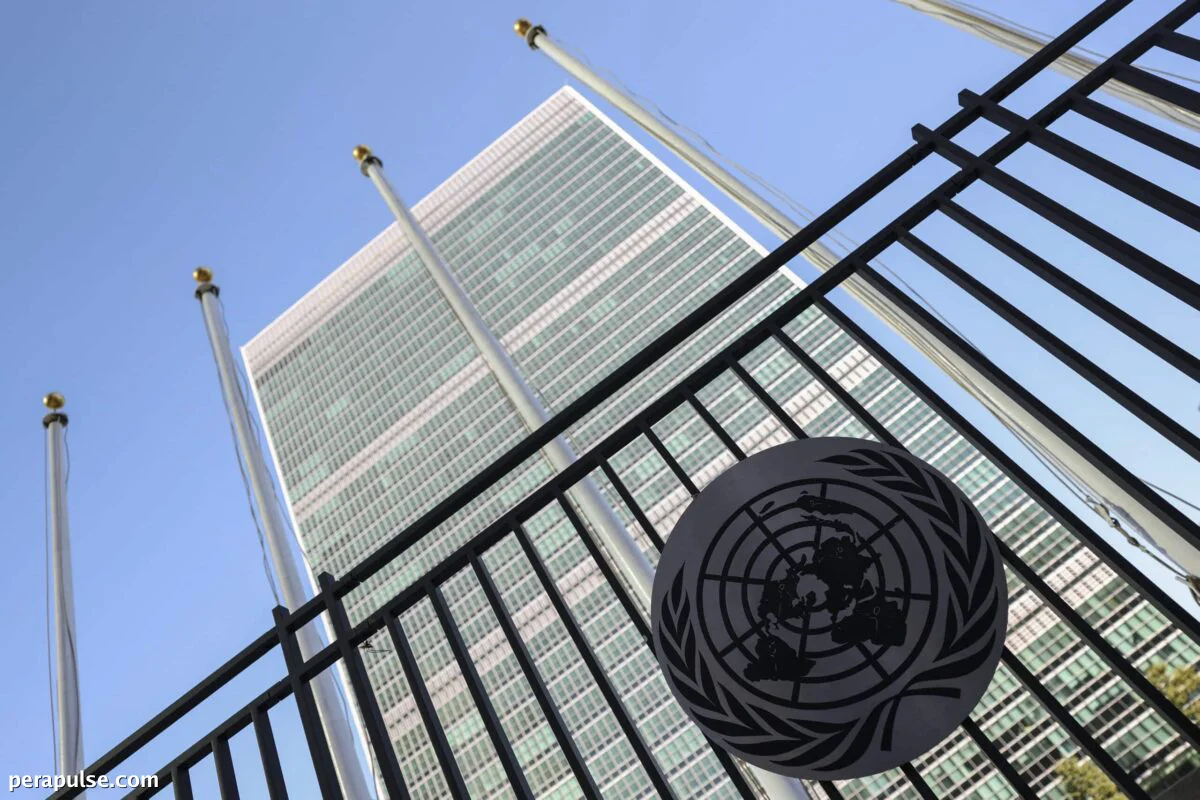
Isang kamakailang ulat ng Nagkakaisang Bansa ang nagbunyag ng isang nakababahalang pagbabago sa tanawin ng proteksyon ng mga bata sa mga lugar ng kontrahan, na itinuturing ang mga puwersa ng gobyerno bilang mga nangungunang lumalabag sa karapatan ng mga bata. Sa unang pagkakataon sa kasaysayan ng pagmamanman nito, iniulat ng UN na ang mga estado, partikular mula sa walong bansa, ay lumampas sa mga armadong grupo sa bilang ng mga malubhang paglabag na ginawa laban sa mga bata.
Mga Rekord na Paglabag Laban sa mga Bata sa Kontrahan
Ang sukat at pagtuloy ng mga paglabag na ito ay nangangailangan ng higit pa sa pagkilala — nangangailangan ito ng determinasyon.
(Vanessa Frazier, UN Special Representative for Children in Armed Conflict)
- 24,174 mga batang naapektuhan, kabilang ang isang-katlo na mga babae
- 38,558 kabuuang mga paglabag na naitala, kabilang ang pagpatay, panggagahasa, at pagdukot
Ang ulat, na inilabas ng Pangkalahatang Kalihim ng UN na si Antonio Guterres, ay nagha-highlight na ang kabuuang bilang ng mga paglabag ay tumaas sa ikaapat na sunud-sunod na taon, umabot sa 38,558 insidente. Ang nakakabahalang bilang na ito ay kinabibilangan ng pagpatay, pagre-recruit, at sekswal na karahasan laban sa mga menor de edad.
Kabilang sa mga pinaka-nakakagulat na estadistika, ang militar ng Israel ay namumukod-tangi na may 12,445 na naitalang paglabag, sinundan ng mga puwersa sa Congo at Myanmar. Ang ulat ay partikular na nagtuturo na ang mga puwersa ng gobyerno ay responsable para sa 6,266 pagpatay ng bata, na nagpapakita ng 34% na pagtaas mula sa nakaraang taon.
Ipinahayag ni Guterres ang malalim na pag-aalala sa tumitinding karahasan, partikular sa mga rehiyon tulad ng Gaza at West Bank, kung saan libu-libong mga bata ang napatay o nasugatan. Hinimok niya ang Israel na makipagtulungan sa UN upang wakasan ang mga paglabag na ito at panagutin ang mga salarin.
Ang ulat ay nagbibigay-diin din sa pagre-recruit ng mga bata sa armadong kontrahan, na may 6,607 na mga kasong napatunayan, pangunahing sa Congo, Nigeria, at Somalia. Bukod dito, ang isyu ng sekswal na karahasan ay maliwanag, na may 1,783 na naitalang insidente, pangunahin sa mga lugar na pinagdaraanan ng kontrahan.
Binigyang-diin ni Vanessa Frazier na ang pagprotekta sa mga bata sa armadong mga kontrahan ay hindi lamang isang hangarin kundi isang pangunahing obligasyon para sa lahat ng mga bansa. Habang ipinagdiriwang ng UN ang 30 taon ng pagmamanman sa mga paglabag na ito, ang mga natuklasan ay nagha-highlight ng isang matinding pangangailangan para sa pandaigdigang pananagutan at reporma.