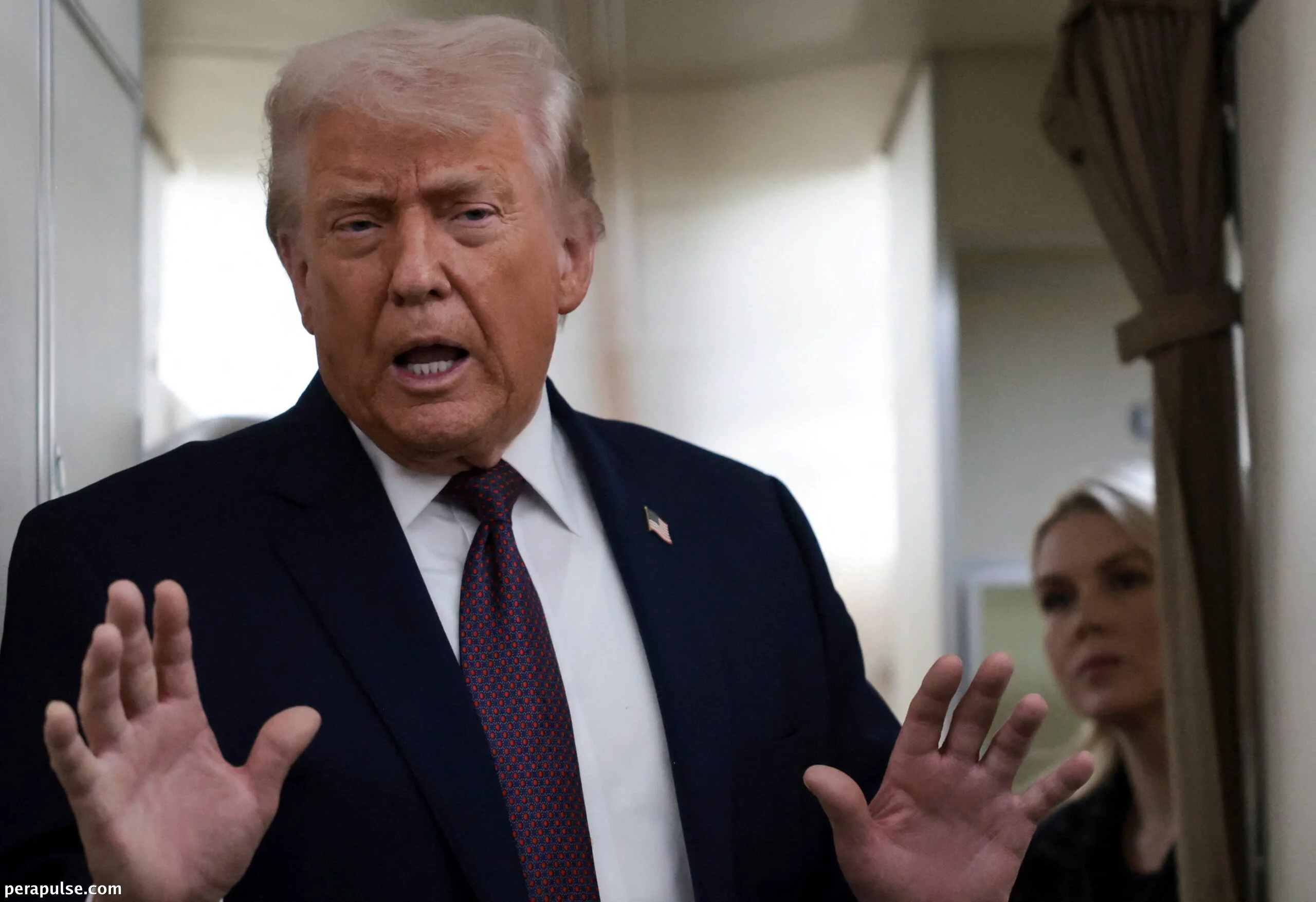
Noong Agosto 16, 2026, inutusan ni Pangulong Donald Trump ang Pentagon na bawasan ang mga magkasanib na military exercises kasama ang South Korea, na binibigyang-diin ang pinansyal na pasanin at ang pag-aatubili ng Seoul na makipagtulungan sa mga isyu na kinasasangkutan ang Iran.
Sa isang post sa kanyang Truth Social platform, ipinahayag ni Trump ang hindi kasiyahan sa mga nakatakdang exercises, na nagsasabing siya ay "hindi masaya" na pumayag ang U.S. na makilahok, na binibigyang-diin ang kanyang maayos na relasyon sa lider ng North Korea na si Kim Jong-un.
Ang mga exercises na ito ay hindi lamang magastos… kundi nagpapadala ng signal na lubos na hindi angkop at mapanlaban, sa isang Bansa na, sa loob ng panahon na si Donald J. Trump ay Pangulo, ay hindi nagdudulot ng banta at may paggalang. (cite: Donald Trump, Pangulo ng Estados Unidos)
Ang taunang Ulchi Freedom Shield exercises, na kinasasangkutan ng humigit-kumulang 18,000 tropang South Korean, ay nakatakdang magsimula sa Agosto 17. Sa kabila ng utos ni Trump, kinumpirma ng Joint Chiefs of Staff ng South Korea na nagsimula ang mga drills ayon sa iskedyul.
- Ang pagkadismaya ni Trump sa mga patakarang ekonomikong South Korea at kakulangan ng makabuluhang paggasta sa depensa.
- Patuloy ang tensyon sa North Korea, habang pinupuna ng Pyongyang ang mga military drills ng U.S.-South Korea bilang paghahanda sa pagsalakay.
Tumugon ang gobyerno ng South Korea sa mga pahayag ni Trump, na nagsasabing umaasa ito na ang pinabuting relasyon sa pagitan ng U.S. at North Korea ay makakapagtaguyod ng diyalogo para sa kapayapaan sa Korean Peninsula.
Ang pinakabagong hakbang na ito ni Trump ay tila umaangkop sa mas malawak na estratehiya upang makipag-ugnayan sa North Korea, na lalong nakahanay sa Russia sa gitna ng patuloy na digmaan sa Ukraine.
Historically, ang mga military exercises ng U.S.-South Korea ay naging isang punto ng hidwaan, madalas na nagdudulot ng galit mula sa North Korea at nagbubukas ng mga tanong tungkol sa katatagan ng rehiyon.
Ang mga ekonomikong hindi pagkakaunawaan ay nakabatay din sa pagbabagong ito sa estratehiya ng militar, habang ipinahayag ni Trump ang kanyang hindi kasiyahan sa mga pangako ng pamumuhunan ng South Korea at mga patakarang itinuturing na hindi kanais-nais sa mga interes ng Amerika.