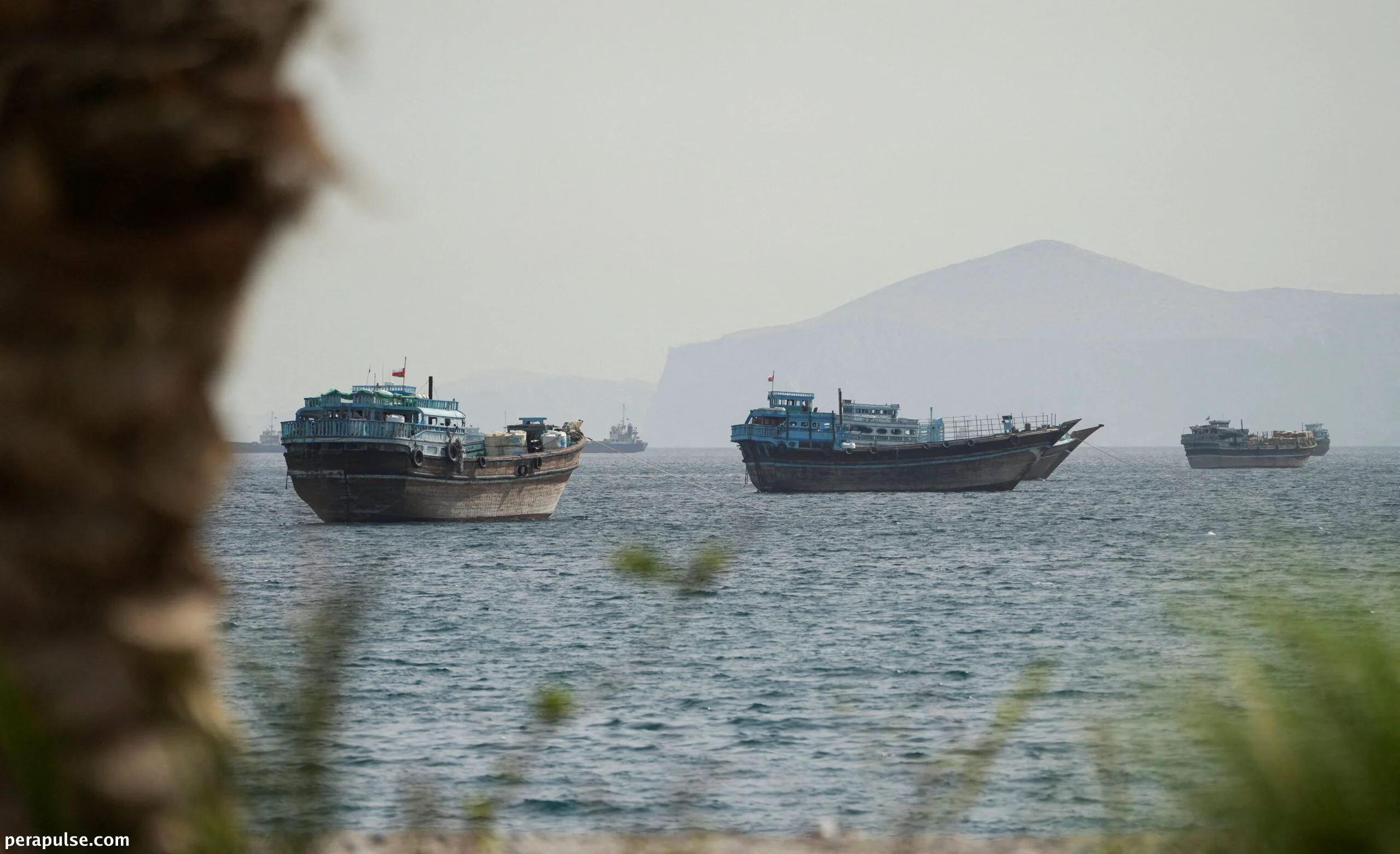
On May 23, 2026, US President Donald Trump announced that a peace deal with Iran was 'largely negotiated' and could lead to the reopening of the crucial Strait of Hormuz. This strategic waterway has been a focal point of conflict since the US and Israel initiated military actions against Iran in February.
Trump's comments were made via a social media post, where he indicated that the final details of the agreement were still being negotiated and would be disclosed soon. However, the Iranian Fars news agency countered that the deal would enable Iran to manage the Strait, calling Trump's statements 'inconsistent with reality.'
Potential Terms of the Agreement
Final aspects and details of the Deal are currently being discussed, and will be announced shortly.
Donald Trump, President of the United States
Reports suggest that the emerging agreement also entails Iran's commitment to halt its pursuit of nuclear weapons and to negotiate the suspension of its uranium enrichment activities. This is particularly significant considering the historical context of Iran's nuclear ambitions and the geopolitical challenges they pose.
As discussions continue, Iranian officials have emphasized the need for the US to end its blockade and sanctions, particularly concerning Iranian oil sales. The outcomes of these negotiations are critical, not just for regional stability, but also for global energy markets that have been disrupted by the ongoing conflict.
Meanwhile, Pakistan's involvement as a mediator has been noted, with their army chief recently meeting with Iranian officials to facilitate the negotiations. Despite some progress, Iranian representatives have indicated that significant issues remain unresolved, particularly regarding US military threats.
In a related statement, US Secretary of State Rubio emphasized the importance of the ongoing talks, stating that there has been notable progress in the negotiations. For more details, see the article on progress in Iran negotiations.