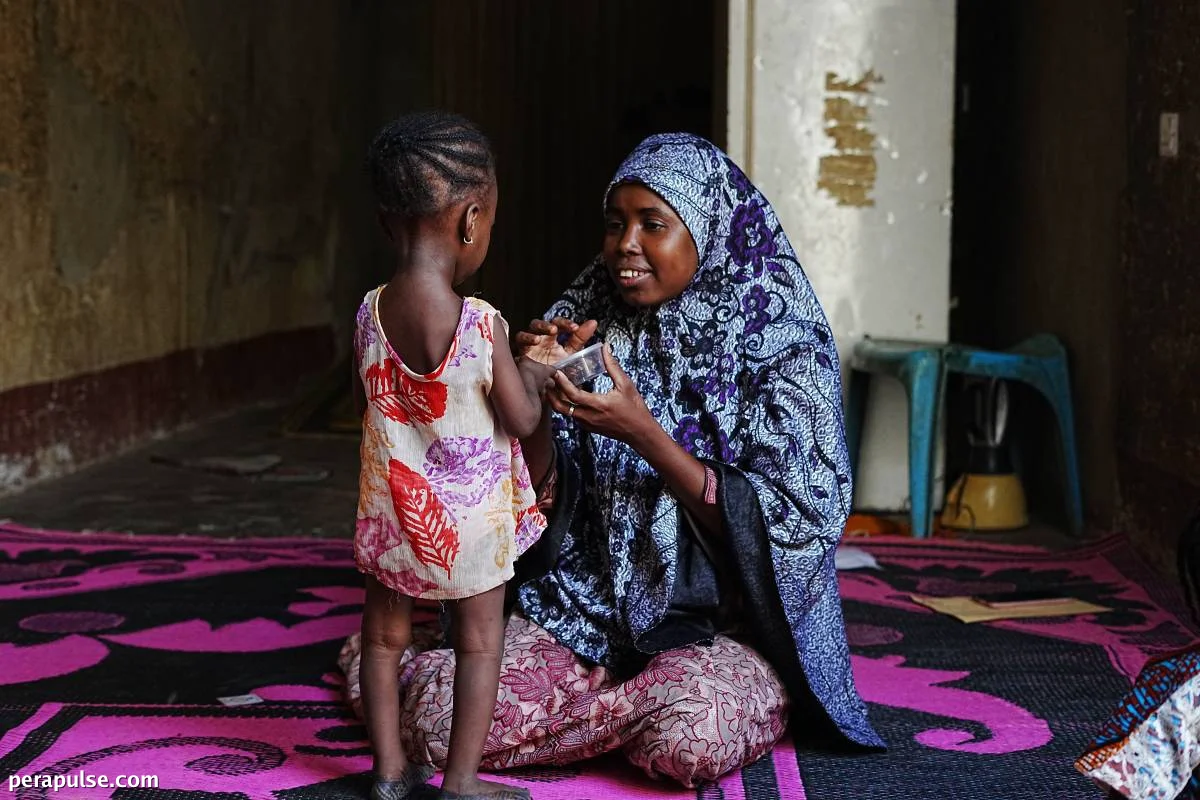
Sa Sokoto, Nigeria, ang patuloy na kaguluhan sa Iran ay nagpapalakas ng krisis sa malnutrisyon sa mga bata, habang ang mga pamilya ay nahihirapan sa pagtaas ng mga presyo at kawalang-tatag sa ekonomiya. Ang 18-buwang gulang na anak ni Maryam Aminu ay na-diagnose na may malnutrisyon sa pangalawang pagkakataon ngayong taon, na nagpapakita ng madilim na katotohanan para sa marami sa rehiyon.
Epekto ng Pandaigdigang Mga Digmaan sa Lokal na Buhay
Ang mga bata ang nagbabayad ng presyo para sa lumalalang kaguluhan sa Gitnang Silangan, kabilang ang mga bata na nasa malalayong lugar. (cite: Catherine Russell, UNICEF Executive Director)
- Tumaas ang presyo ng gasolina mula 800 naira ($0.58) hanggang 1,400 naira ($1.02) bawat litro mula Pebrero hanggang Abril.
- 139 milyong Nigerian ang ngayon ay mahirap o bulnerable sa kahirapan ayon sa isang ulat ng World Bank.
Ang pang-ekonomiyang epekto ng digmaan sa Iran ay pinalalala ang kawalan ng seguridad sa pagkain sa hilagang Nigeria, isang rehiyon na may mataas na antas ng kahirapan at patuloy na kaguluhan. Ang mga pamilya ay nahihirapang makabili ng mga pangunahing pangangailangan, kung saan marami ang nag-uulat ng makabuluhang pagbagsak sa kalidad at dami ng pagkain na magagamit.
Napansin ng mga lokal na opisyal ng kalusugan ang isang nakababahalang trend: ang mga bata na dati nang ginamot para sa malnutrisyon ay bumabalik sa mga pasilidad dahil sa kakulangan ng sapat na pagkain. Ipinahayag ni Halimah Muhammad, isang health worker sa Sokoto, ang kanyang pag-aalala sa tumataas na mga kaso.
Naapektuhan din ng kaguluhan ang suplay ng mga pataba, na mahalaga para sa mga komunidad ng mga magsasaka sa hilagang Nigeria. Ang mga magsasaka ay nahaharap sa isang dobleng krisis ng tumataas na gastos at banta sa seguridad mula sa mga armadong grupo, na nagpapahirap sa pagpapanatili ng produksyon ng agrikultura.
Napipilitang gumawa ng mahihirap na desisyon ang mga pamilya. Si Shehu Aminu, isang ama ng anim, ay nagreklamo na ang dati ay nagkakahalaga ng 2,000 naira para sa isang masustansyang pagkain ngayon ay nangangailangan ng 5,000 naira. Ang kanyang asawa, si Maryam, ay sumang-ayon sa kanyang pagkabigo, na nagnanais na ang kanyang mga anak ay mas malusog at mas masigla.
Pinalalala pa ng patuloy na karahasan sa rehiyon, kung saan ang mga bandido at Islamist militants ay nagdadala ng patuloy na banta. Nagbabala ang mga eksperto na habang mas matagal ang digmaan sa Iran, mas malalim ang magiging epekto nito sa mga bulnerableng komunidad sa Nigeria.
Habang ang mga pamilya tulad ng mga Aminus at Malamis ay humaharap sa mga hamong ito, ang hinaharap para sa mga bata sa hilagang Nigeria ay tila lalong madilim. Ang pagkakaugnay ng pandaigdigang kaguluhan at lokal na krisis ay nagpapakita ng agarang pangangailangan para sa tulong pantao at pangmatagalang solusyon.