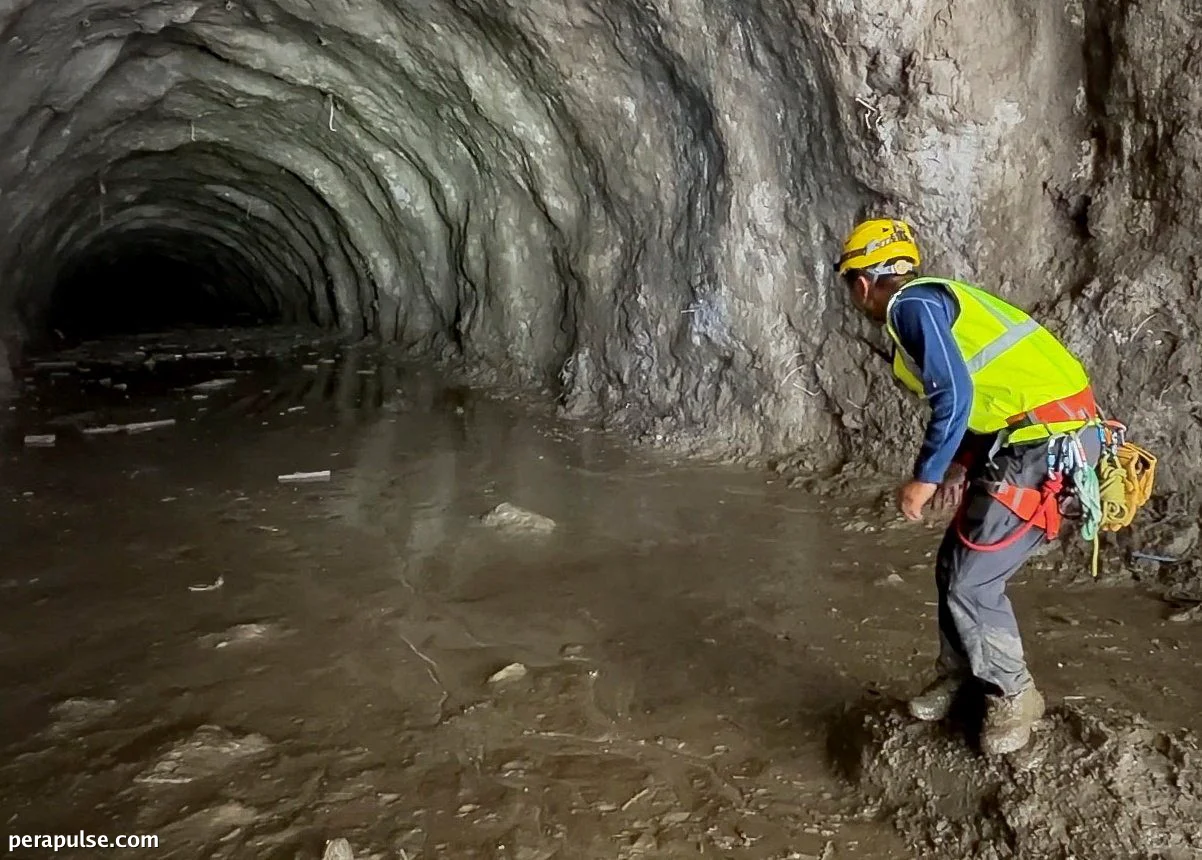
Nepal's rescue teams, bolstered by experts from China and India, are intensifying their efforts to reach about 933 workers trapped in hydropower tunnels after catastrophic floods. These floods, triggered by a glacier collapse on the Nepal-Tibet border, have resulted in over 900 confirmed deaths and left nearly 5,000 people missing.
Challenges in Rescue Operations
Our main focus is on opening the tunnels.
Raja Ram Basnet, Nepal Army Spokesperson
The relentless floods have caused extensive destruction, burying many bodies in shallow graves. Rescue operations face significant obstacles due to adverse weather conditions and the risk of further flooding from newly formed lakes. Images from the scene depict rescue workers using heavy machinery to clear debris and access the tunnels.
The Nepali Army has employed controlled blasts and excavators to tackle the debris and water obstructing the rescue efforts. So far, three bodies have been recovered, but many more remain missing as rescue teams work tirelessly.
Prime Minister Balendra Shah described the situation as an unprecedented disaster, with nearly 21,000 personnel involved in the ongoing rescue operations. He emphasized the determination to save lives despite the numerous challenges.
China has also mobilized resources, contributing financial aid and deploying over 2,100 rescue workers. However, concerns have been raised regarding the lack of data sharing on glacier risks between Nepal and China, which could hinder future disaster preparedness.
As the situation evolves, authorities are closely monitoring the potential risks of further landslides and flooding caused by the lakes formed after the disaster, emphasizing the urgent need for improved disaster management strategies.