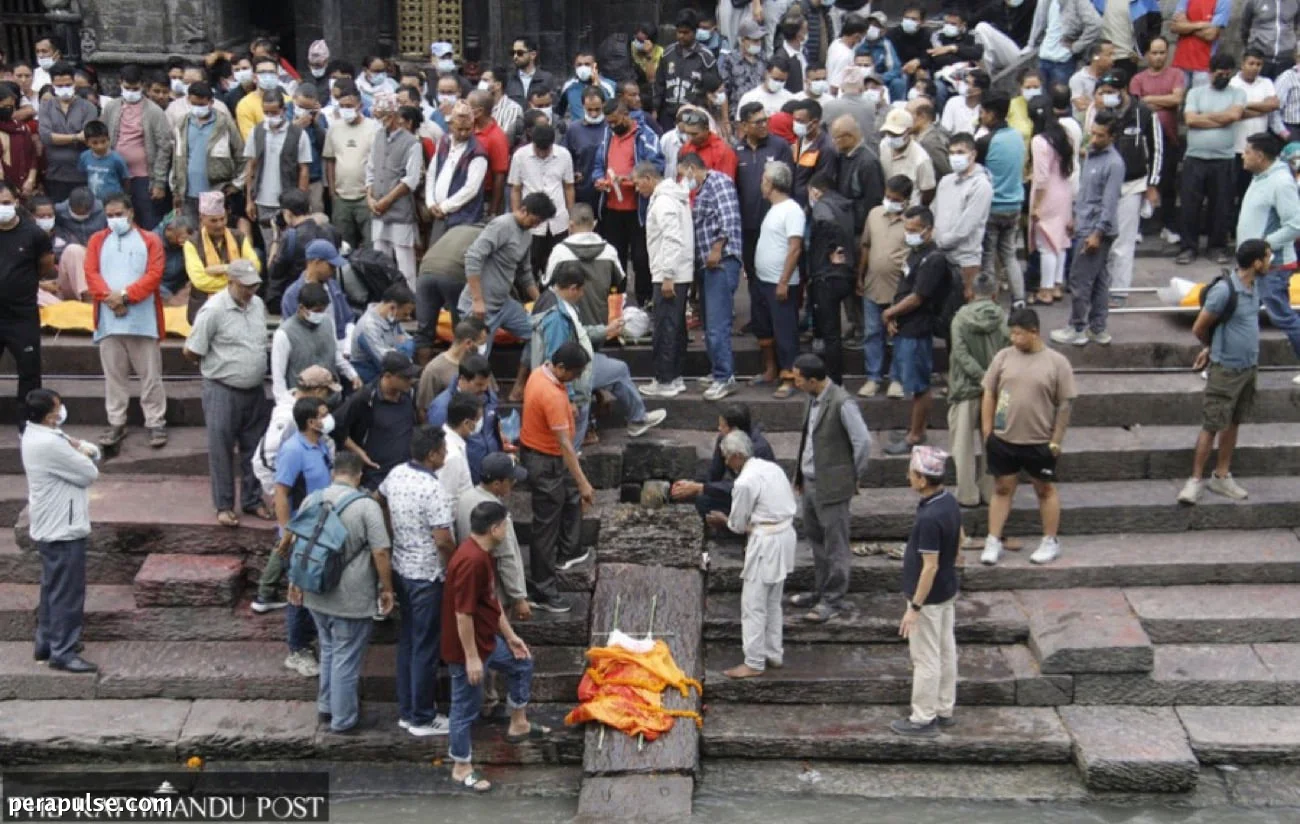
Matapos ang nakasisirang baha ng Bhotekoshi sa Nepal, nahihirapan ang mga nakaligtas na magdalamhati para sa kanilang mga namatay. Maraming pamilya ang napipilitang gumamit ng mga effigy na gawa sa kusha grass upang magsagawa ng mga ritwal ng libing, dahil hindi nila mahanap ang mga katawan ng kanilang mga mahal sa buhay.
Ang mga baha, na nangyari noong Agosto 26, ay nagpalayas ng hindi mabilang na mga pamilya, tinangay ang mga tahanan at iniwan ang mga nakaligtas na walang wastong pasilidad upang magsagawa ng mga ritwal ng pagdadalamhati. Sa mga sumunod na araw, ang mga nakaligtas ay nagtipon sa Kathmandu upang maghanap ng kanlungan ngunit nakatagpo ng karagdagang hamon sa paghahanap ng espasyo upang magdalamhati.
Kakulangan ng Espasyo para sa mga Ritwal ng Pagdadalamhati
Ang buong bansa ay kasalukuyang nagdadalamhati. Upang tulungan ang mga kamag-anak ng mga biktima, binuksan namin ang Kiriyaputri Bhawan na ito pagkatapos ng mga baha. (cite: Raj Kumar Phuyal, Ingat-Yaman ng Komite sa Pamamahala ng Templo)
Si Nirajan Poudel, isang nakaligtas na nawalan ng maraming miyembro ng pamilya sa sakuna, ay nagbahagi ng kanyang karanasan sa Kiriyaputri Bhawan. 'Matapos naming hindi makahanap ng espasyo upang manatili sa panahon ng pagdadalamhati, dumating kami dito,' sabi niya.
- Mahigit 1,200 katawan ang nakuha mula sa mga baha.
- Libu-libong tao ang nawawala pa, nagpapahirap sa pagdadalamhati ng mga pamilya.
Ang Kiriyaputri Bhawan, kahit na nasa ilalim pa ng konstruksyon, ay nagbukas ng mga pintuan nito para sa mga biktima ng baha. Gayunpaman, puno na ang pasilidad, dahil maraming pamilya ang nawalan ng ilang mga miyembro.
Ang sitwasyon ay lalong pinalalala ng kakulangan sa gas para sa pagluluto, na pinipilit ang mga pamilya na maghanap ng sariling paraan. Si Rishi Prasad Nepal, isang miyembro ng komite sa pamamahala ng Gupteshwar Temple Kiriyaputri Bhawan, ay nagpahayag na hindi sila makapagbigay ng gas para sa pagluluto para sa mga pamilyang nagdadalamhati.
Ang mabilis na paglilibing ng mga hindi nakikilalang katawan sa mga mass grave ay nag-iwan sa mga pamilya ng limitadong mga opsyon. Iniulat ng mga biktima na humigit-kumulang 100 indibidwal ang hindi pa natutukoy sa Bidur Municipality lamang, na nagdudulot ng mga alalahanin tungkol sa kabuuang bilang ng mga nawawala.