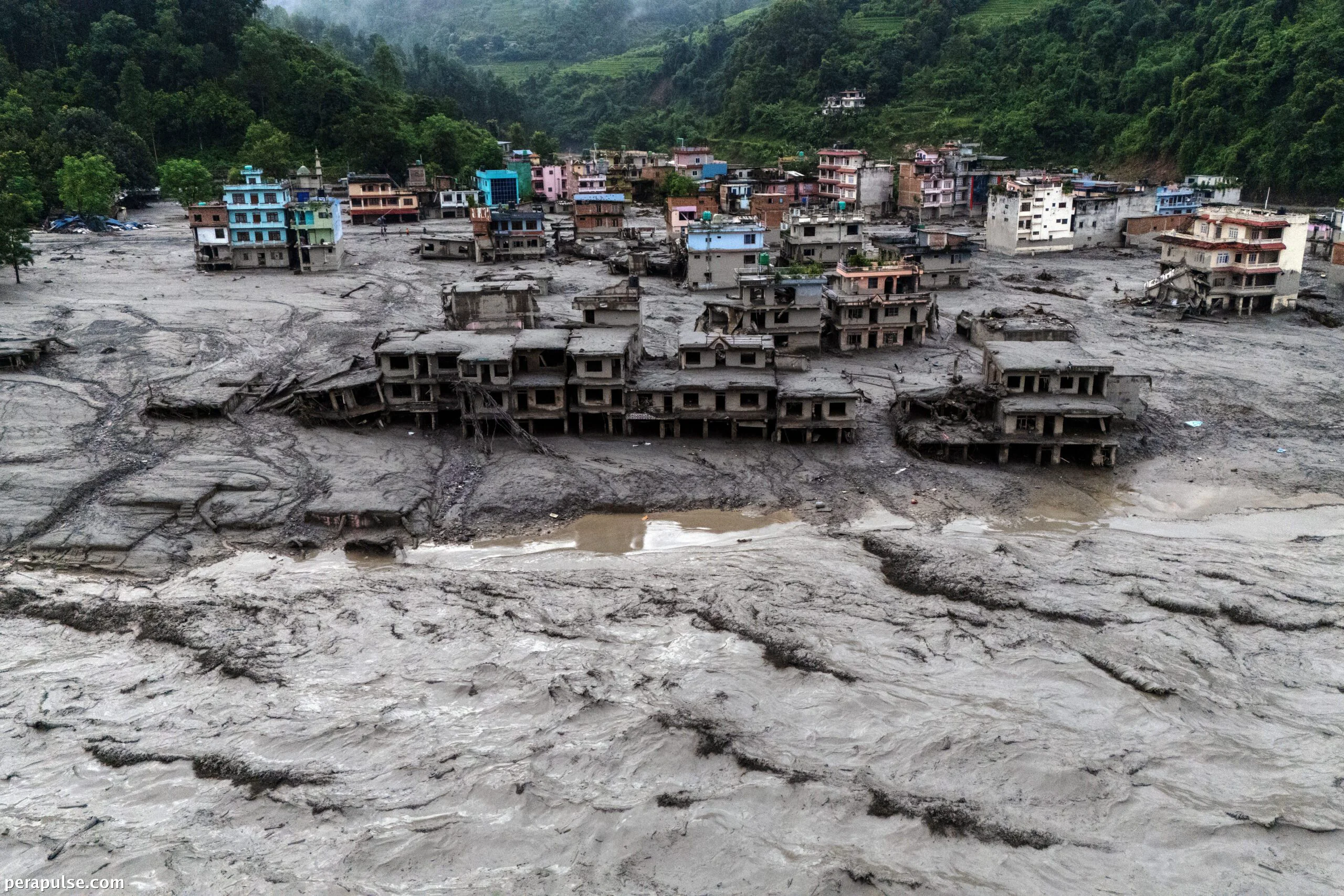
Ang Nepal at ang Pilipinas ay nakikipaglaban sa malubhang mga epekto ng pagbabago ng klima, sa kabila ng pagiging ilan sa mga pinakamaliit na nag-aambag sa pandaigdigang emisyon ng greenhouse gas. Ang mga kamakailang sakuna sa parehong bansa ay nagpapakita ng lumalaking pangangailangan para sa pandaigdigang pananagutan at reparasyon.
Sa Nepal, ang pagbagsak ng glacier ay nagdulot ng mapaminsalang pagbaha at pag-agos ng mga debris, na nagresulta sa pagtaas ng bilang ng mga nasawi. Samantala, ang Pilipinas ay humaharap sa malawakang pagbaha, na nakaapekto sa milyon-milyon habang patuloy ang malalakas na pag-ulan.
Nag-aambag kami ng napakaliit na bahagi ng pandaigdigang emisyon, ngunit kami ay nasa ibaba ng ilan sa mga pinakamabilis na umiinit na mga sistemang glacier sa Earth.
(Sumnima Udas, Miyembro ng Parlamento ng Nepal)
Ang sitwasyon ay pinalalala ng patuloy na debate tungkol sa katarungan sa klima, habang ang mga mas mahihirap na bansa tulad ng Nepal at Pilipinas ay humihingi ng reparasyon mula sa mga industriyalisadong bansa na pangunahing responsable sa pagbabago ng klima.
Ang kamakailang desisyon ng International Court of Justice ay nagbibigay-diin na ang mga bansa na nagdudulot ng makabuluhang emisyon ay may obligasyon na magbayad sa mga nagdurusa sa mga epekto. Ang makasaysayang opinyon na ito ay nagpapakita ng lumalaking pagkilala sa mga pagkakaiba na dinaranas ng mga mahihinang bansa.
Makabagong Konteksto ng Kawalang-Katarungan sa Klima
Sa kasaysayan, ang mga umuunlad na bansa ay naiwan upang harapin ang mga epekto ng pagbabago ng klima habang ang mga industriyalisadong bansa ay patuloy na naglalabas ng malalaking dami ng greenhouse gases. Ang pattern na ito ay nagdadala ng mga katanungan tungkol sa katarungan at responsibilidad, habang ang mga epekto ng pagbabago ng klima ay hindi proporsyonal na umaapekto sa mga nag-ambag ng kaunti.
- Nepal: Pagbagsak ng glacier nagdudulot ng pagbaha at pagtaas ng bilang ng mga nasawi.
- Pilipinas: Milyon-milyon apektado ng malubhang pagbaha mula sa patuloy na pag-ulan.
Habang ang parehong bansa ay humaharap sa mga hamong ito, ang panawagan para sa reparasyon ay nagiging lalong mahalaga. Dapat tugunan ng pandaigdigang komunidad ang mga pagkakaiba sa epekto ng klima at responsibilidad upang makamit ang mas makatarungang hinaharap.