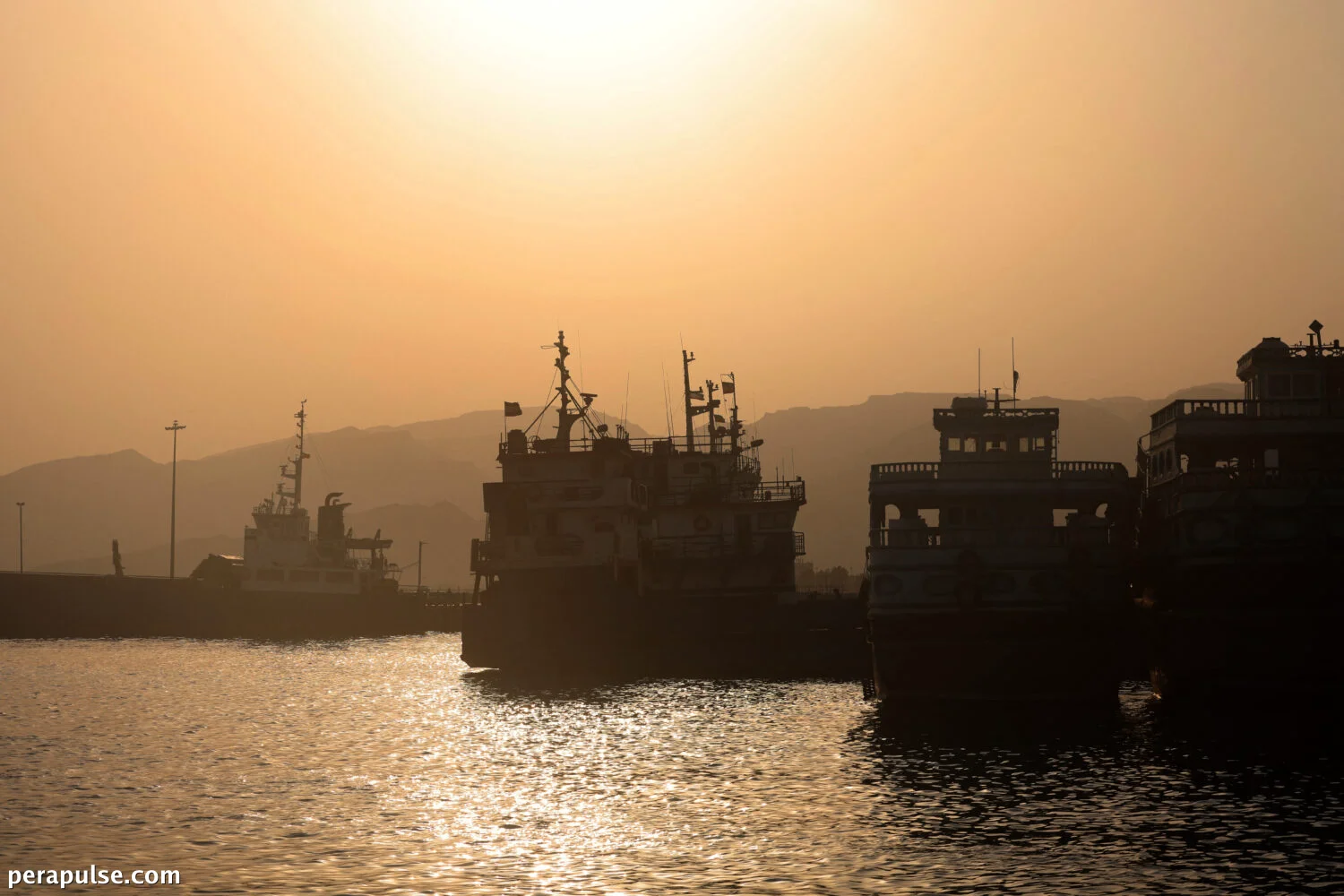
Inanunsyo ng mga Revolutionary Guards ng Tehran noong Agosto 9, 2026, na pananatili nilang isasara ang Strait of Hormuz hanggang sa sumang-ayon ang Estados Unidos sa isang serye ng mga hinihingi, na may malaking epekto sa pandaigdigang kalakalan ng langis.
Mga Kondisyon para sa Muling Pagbubukas ng Hormuz
Ang strait ay ngayon talagang isang teatro ng digmaan para sa amin at hindi lamang isang daluyan ng tubig.
Iran's Revolutionary Guards
- Pagtigil sa patuloy na digmaan sa lahat ng harapan
- Pag-alis ng counterblockade ng US sa mga daungan ng Iran
- Pagpapalaya ng mga nakablock na ari-arian ng Iran
- Kompensasyon para sa pinsalang natamo sa panahon ng digmaan
Binigyang-diin ng mga Revolutionary Guards ang kanilang estratehiya na panatilihing sarado ang strait hanggang sa tanggapin ng US ang lahat ng kondisyon. Ang blockade na ito ay nagdulot na ng pagtaas ng presyo ng langis at pag-ugong sa merkado.
Ang Pangulo ng US na si Donald Trump ay nagpatupad ng maingat na diskarte, na nagpapahiwatig na naniniwala siyang ang presyon sa ekonomiya sa Iran ay puwersang magpapa-sunod. Inilarawan niya ang patuloy na negosasyon bilang 'mababang-key' at iminungkahi na ang US ay 'nagmamasid' sa sitwasyong pang-ekonomiya ng Iran.
Ang tensyon sa Strait of Hormuz ay tumindi kasunod ng isang serye ng mga pag-atake sa mga sasakyang pandagat, na labis na nakagambala sa daloy ng trapiko sa mahalagang daluyan ng tubig na ito.
Ang mga hinihingi ng Iran ay umaakma sa mga naunang tinalakay na termino sa isang kasunduan noong Hunyo, na nagmungkahi ng pagtatatag ng isang $300 bilyong pondo para sa muling pagtatayo, na nagha-highlight sa layunin ng Tehran na magkaroon ng kontrol sa strait.
Dagdag pa rito, ang mga kaalyado ng Iran na Houthi sa Yemen ay sabay na nagdeklara ng blockade sa mga daungan ng Saudi, na higit pang nagpapalubha sa sitwasyon ng seguridad sa rehiyon. Ang dual blockade na ito ay nagbabanta na pahigpitin ang tensyon sa isang lugar na labis nang volatile.
Nakipag-usap ang Oman sa Iran tungkol sa pamamahala ng Strait of Hormuz, na binibigyang-diin ang pangangailangan para sa mga kaayusan na sumusunod sa internasyonal na batas.