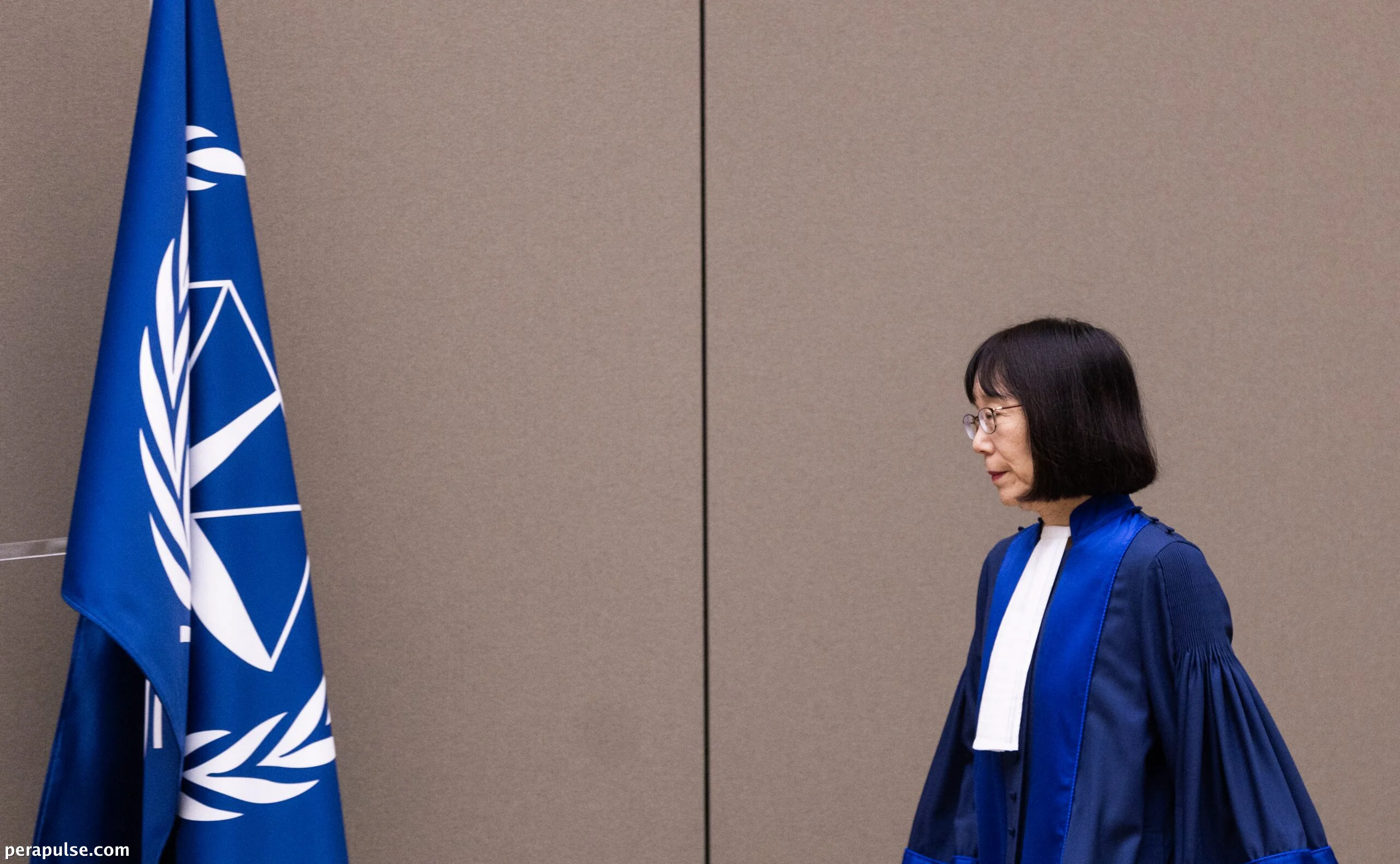
International Criminal Court (ICC) President Tomoko Akane has raised alarms about the future of the global rule of law following recent U.S. sanctions imposed against her. These sanctions form part of Washington's ongoing conflict with the ICC, particularly regarding investigations related to its allies.
Concern Over Judicial Independence
The important thing is not to let this be the beginning of the demise of the international rule of law.
Tomoko Akane, ICC President
Akane's comments were made publicly after the U.S. government sanctioned her and Senegalese trial lawyer Abdoulaye Seye. The sanctions, described by the ICC as a 'flagrant attack' on judicial independence, specifically bar Akane and Seye from entering the U.S. and engaging in transactions within the American financial system.
- Sanctions target Akane and Abdoulaye Seye.
- Restrictions include barring entry to the U.S. and financial transactions.
The U.S. has previously imposed sanctions on other ICC officials, reflecting a broader strategy it claims is aimed at addressing a 'corrupt and fatally politicized' institution. These actions are seen as a response to the ICC's focus on investigations involving the U.S. and its allies, particularly concerning Israel.
The ongoing tensions between the U.S. and the ICC raise significant questions about the future of international law and its enforcement. Akane's warning that the recent measures could signify a troubling trend highlights the precarious position of international judicial bodies in the face of geopolitical challenges.