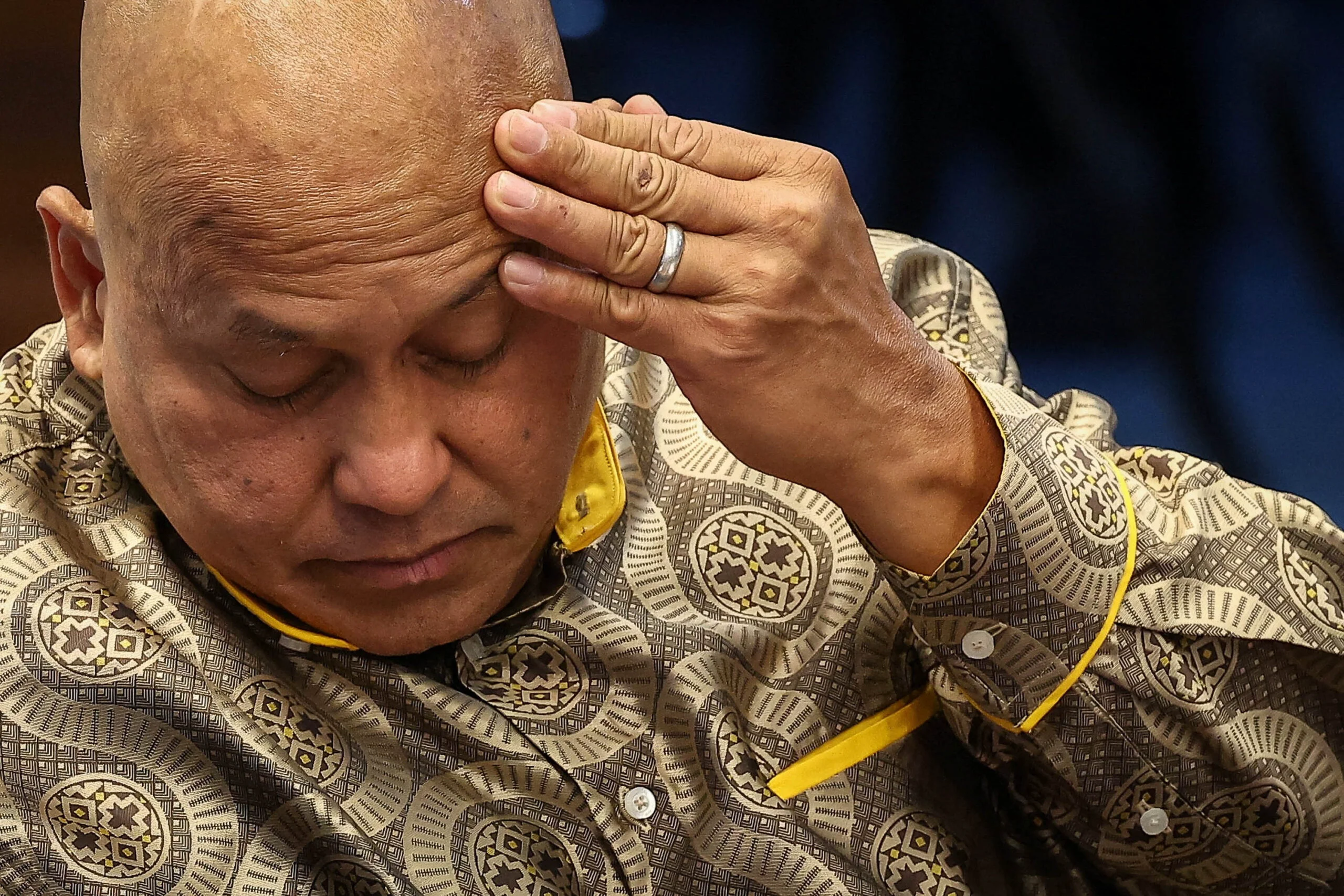
Senator Ronald 'Bato' Dela Rosa remains at the center of controversy following claims by some senators, including Senate President Alan Peter Cayetano, that the International Criminal Court (ICC) warrant for his arrest is invalid. This assertion comes amidst Dela Rosa's continued evasion of the warrant.
Legal Validity of the ICC Warrant
The ICC has confirmed the existence and validity of the warrant against Dela Rosa. According to ICC spokesperson Oriane Maillet, the document circulated by Philippine authorities is indeed legitimate.
Kinumpirma ng International Criminal Court na ang dokumentong inilabas ng mga pambansang awtoridad ng Republika ng Pilipinas at kumalat sa media ay talagang isang pormal na dokumento ng ICC.
Oriane Maillet, ICC Spokesperson
Pinapahayag ng mga eksperto sa batas na obligadong ipatupad ng Pilipinas ang ICC warrant. Ang bansa ay miyembro ng ICC nang mangyari ang mga sinasabing krimen, na nangangahulugang ang warrant ay nananatiling maipatupad sa ilalim ng pandaigdigang batas.
Ang Republic Act No. 9851, na nagsasama ng internasyonal na makatawid na batas sa batas ng Pilipinas, ay sumusuporta rin sa obligasyong ito. Ang Seksyon 17 ng Batas ay nag-uutos ng pakikipagtulungan sa mga internasyonal na hukuman.
Sa kabila ng mga pahayag ni Dela Rosa at ang pampulitikang suporta mula sa ilang senador, ang sitwasyon ay nagdudulot ng mga kritikal na tanong tungkol sa pananagutan para sa mga aksyon na ginawa sa panahon ng kontrobersyal na digmaan laban sa droga na sinimulan sa ilalim ng dating Pangulong Rodrigo Duterte.
Ang patuloy na debate ay nagha-highlight ng tensyon sa pagitan ng pambansang batas at internasyonal na obligasyon, lalo na habang patuloy na sinusuri ng ICC ang paghawak ng gobyernong Pilipino sa mga isyu ng karapatang pantao.
Habang nagbabago ang tanawin ng politika, ang mga implikasyon ng mga legal na interpretasyong ito ay maaaring magkaroon ng pangmatagalang epekto sa relasyon ng Pilipinas sa mga internasyonal na pamantayan ng karapatang pantao.