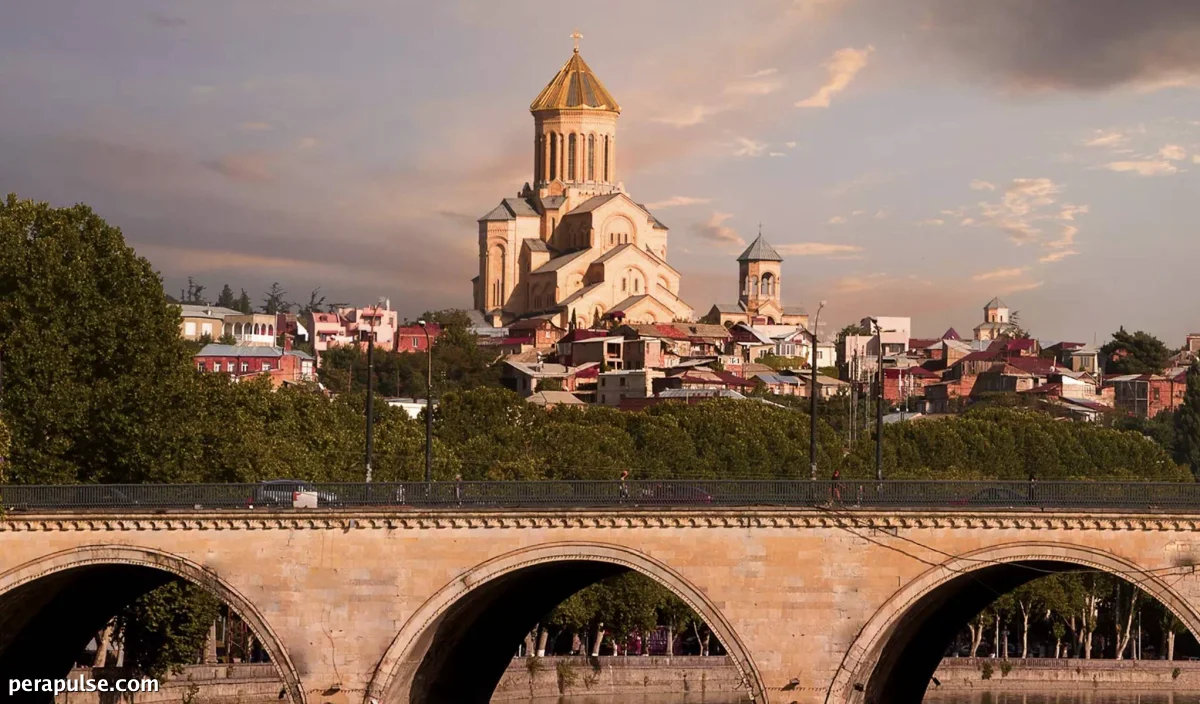
Ang Georgia, isang bansa sa rehiyon ng Caucasus, ay naging isang kritikal na punto ng pagkikita ng mga sibilisasyon sa loob ng libu-libong taon. Ang makasaysayang salaysay nito ay isa ng katatagan, na may marka ng tuloy-tuloy na pakikibaka para sa kalayaan.
Isang Mayamang Tapestry ng Kasaysayan at Kultura
Ang Georgia ay naging isa sa mga unang bansa sa mundo na nagpatibay ng Kristiyanismo bilang relihiyong estado noong maagang ika-apat na siglo.
Mga Talaan ng Kasaysayan
- Ang Georgia ay isa sa mga pinakalumang bansa sa mundo na patuloy na tinatahanan.
- Idineklara ng bansa ang kalayaan mula sa Unyong Sobyet noong Abril 9, 1991.
Ang mga ebidensyang arkeolohikal ay nagpapahiwatig na ang Georgia ay tahanan ng ilan sa mga pinakamaagang tradisyon ng paggawa ng alak, na nag-ugat mga 8,000 taon na ang nakalilipas. Ang mayamang kasaysayan ng agrikultura nito ay nakaugnay sa pagkakakilanlan nito.
Noong sinaunang panahon, ang Georgia ay kilala bilang Colchis, isang kaharian na konektado sa alamat ni Jason at ng mga Argonauts. Ang lugar ay naging kaharian ng Iberia, na mahalaga sa pagpapalaganap ng Kristiyanismo.
Naranasan ng bansa ang Golden Age nito sa ilalim ni Reyna Tamar noong huling bahagi ng ika-12 siglo, na nagtatag ng sarili bilang isang rehiyonal na kapangyarihan na kilala sa mga pagsulong sa sining at arkitektura.
Gayunpaman, humarap ang Georgia sa maraming pagsalakay mula sa mga puwersang Mongol, Persiano, at Ottoman, na nagdulot ng pagkakahiwa-hiwalay at sa kalaunan ay pagsasama sa Imperyong Ruso noong ika-19 siglo.
Matapos ideklara ang kalayaan noong 1918, ang soberanya ng Georgia ay maikli lamang, dahil sinalakay ng mga puwersang Sobyet noong 1921. Sa pagbagsak ng Unyong Sobyet, nakuha muli ng Georgia ang kalayaan noong 1991 ngunit nakatagpo ng mga hamong pampulitika at pang-ekonomiya.
Ang Rebolusyong Rosas noong maagang 2000s ay nagmarka ng isang makabuluhang pagbabago, na nagdala sa mga repormang pampulitika at isang muling pokus sa pagsasama sa Kanlurang Europa.
Ngayon, ang estratehikong lokasyon ng Georgia bilang isang transport corridor sa pagitan ng Europa at Asya ay nagpapalakas ng kahalagahan nito. Ang Tbilisi, ang kabisera, ay sumasalamin ng pinaghalong impluwensya ng medieval, Sobyet, at makabago, na umaakit sa mga turista sa mga makasaysayang lugar at masiglang kultura nito.