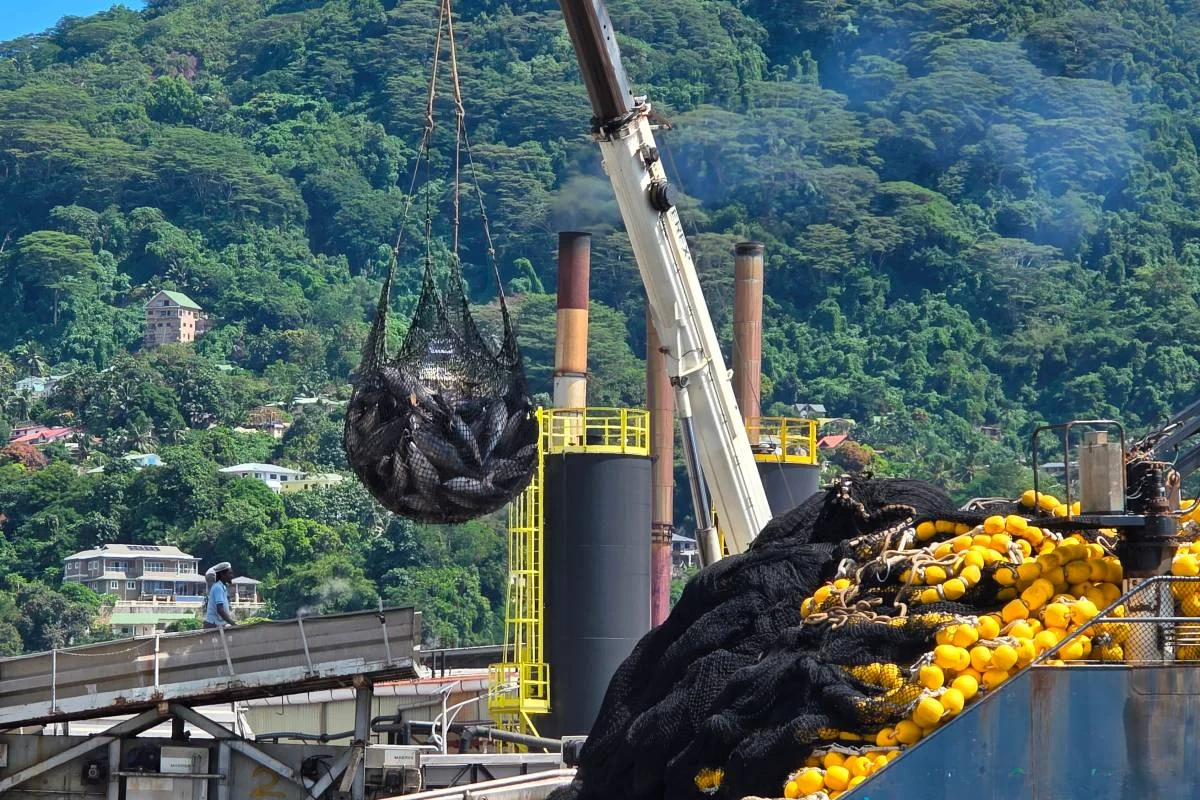
Ayon sa isang kamakailang ulat ng Blue Marine Foundation at Kroll, ang mga kumpanya ng pangingisda sa Europa ay lalong nagpapalit ng bandila ng kanilang mga bapor upang makuha ang mga quota ng tuna sa Indian Ocean. Ang estratehiyang ito ay nagbibigay-daan sa kanila na makaiwas sa mga paghihigpit habang nag-aambag sa mga alalahanin tungkol sa labis na pangingisda.
Itinatampok ng ulat na ang mga kumpanyang ito ay nakakuha ng isang-katlo ng huli ng tropikal na tuna, kahit na ang mga stock ng yellowfin at bigeye tuna ay nahihirapang makabawi mula sa labis na pangingisda.
Itinaas ni Jess Rattle, pinuno ng mga imbestigasyon sa Blue Marine Foundation, ang mga alalahanin tungkol sa pagmamay-ari ng mga bapor na ito na nagpapalit ng bandila, na nagtatanong kung tunay nga bang pagmamay-ari ang mga ito ng mga baybaying estado na kanilang sinasamantala.
Ang mga natuklasan ay lumabas bago ang taunang pagpupulong ng Indian Ocean Tuna Commission sa Maldives, kung saan tatalakayin ng mga opisyal ng EU at mga kinatawan mula sa 28 bansa ang mga gawi sa pangingisda.
Upang madagdagan ang kanilang mga limitasyon sa huli, ang mga kumpanya sa Europa ay nagrerehistro ng kanilang mga barko sa ilalim ng mga bandila ng mga bansa tulad ng Seychelles, Mauritius, at Oman. Ang ganitong gawain ay nagpapahirap sa mga pagsubok sa pagsubaybay at nagtatago ng mga detalye ng pagmamay-ari.
Bagaman legal ang pagpapalit ng bandila, nagdudulot ito ng mga katanungan tungkol sa transparency ng industriya ng pangingisda. Ang mga layer ng shell companies ay madalas na nagtatago ng aktwal na pagmamay-ari ng mga bapor na ito.
Ang Europeche Tuna Group, na kumakatawan sa industriya ng tuna sa Europa, ay nagsabi na ang kanilang mga operasyon ay nagpapakita ng pangako sa mga lokal na pakikipagsosyo at mga kontribusyong pang-ekonomiya.
Sa kabila ng nakasaad na pangako ng EU sa napapanatiling pangingisda, may mga tensyon sa mga baybaying bansa tungkol sa mga gawi sa pangingisda. Ang mga nakaraang alitan ay nagbigay-diin sa mga pagkabigo sa mga panukala ng quota ng EU.
Ang mga tagapagtaguyod ng kapaligiran ay nagtutulak para sa mas mataas na transparency tungkol sa pagmamay-ari at ang epekto ng mga bapor na may banyagang bandila. Sinasabi nila na mahalaga ito para sa epektibong regulasyon at pagtitiyak ng pagsunod sa mga batas sa pangingisda.
Isang ulat noong Enero mula sa Oceana ang natagpuan na madalas na nagrerehistro ang mga kumpanya sa Europa ng mga bapor sa mga bansa na kilala sa maluwag na pagpapatupad ng mga regulasyon sa pangingisda, na nagdudulot ng mga alalahanin tungkol sa mga ilegal na aktibidad sa pangingisda.
Ang mga tagapagtaguyod ay nananawagan sa mga bansa ng EU na mangolekta at mag-publish ng data tungkol sa pagmamay-ari ng pangingisdang fleet upang mapabuti ang pangangasiwa at pananagutan sa sektor.