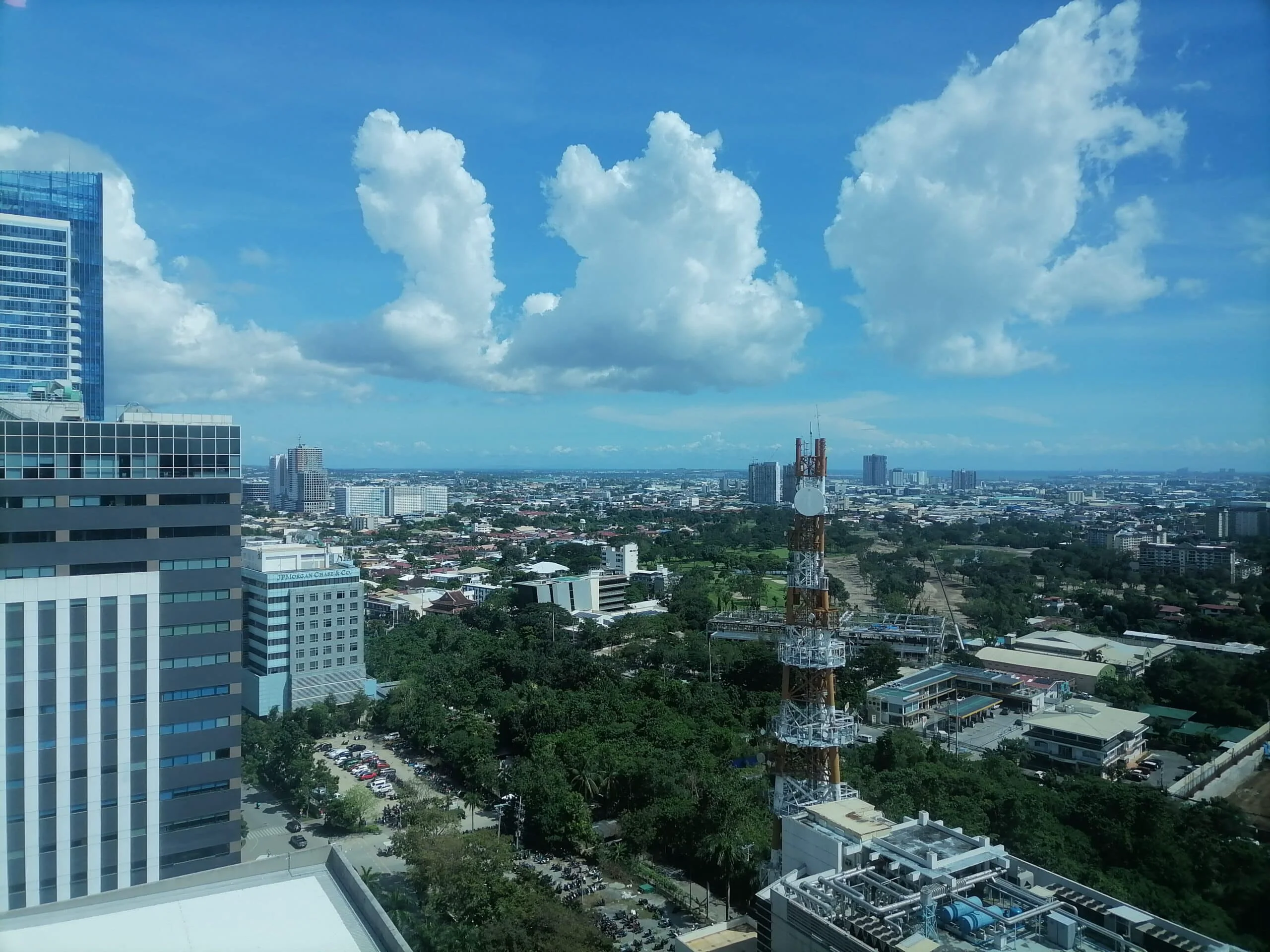
Nakakaranas ang Cebu City ng makabuluhang pagtaas ng temperatura, kung saan umabot ang heat index sa 41 degrees Celsius noong Martes, Mayo 5. Inuri ito ng Philippine Atmospheric, Geophysical and Astronomical Services Administration (Pagasa) bilang isang sitwasyon ng matinding pag-iingat.
Ipinapakita ng pinakabagong pagmamanman ng Pagasa na ang mga lugar sa Central Visayas, kabilang ang Panglao at Mactan, ay nakapagtala rin ng mataas na antas ng heat index, na umaabot sa pagitan ng 39 at 40 degrees Celsius.
Binigyang-diin ni Janina Zharelle Marte, isang espesyalista sa panahon, na inaasahang mananatili ang heat index sa Metro Cebu sa pagitan ng 38 at 41 degrees Celsius sa buong linggo, na nagpapahiwatig ng patuloy na panganib.
Pag-unawa sa Matinding Pag-iingat
Ayon sa Pagasa, ang heat index na 33 hanggang 41 degrees Celsius ay nangangailangan ng matinding pag-iingat, dahil ang mahabang pagkakalantad ay maaaring magdulot ng heat cramps at pagkapagod. Ang mga sintomas ay maaaring kabilang ang labis na pagpapawis, pagkapagod, at pagkahilo.
Ang susunod na antas, na nakategorya bilang panganib (42°C hanggang 51°C), ay nagpapataas ng panganib ng heat exhaustion at stroke, habang ang matinding panganib (52°C at pataas) ay nagpapahiwatig ng nalalapit na banta.
Mga Vulnerable na Grupo
Tinutukoy ni Marte na habang lahat ay madaling maapektuhan ng init, ang mga manggagawa sa labas ay partikular na nasa panganib. Ang mga panloob na espasyo ay maaari ring maging mapanganib na mainit kung walang wastong bentilasyon.
Mga Inirerekomendang Pag-iingat sa Kalusugan
Nagbigay ng payo ang Pagasa sa mga residente na limitahan ang pagkakalantad sa labas, lalo na mula 10 a.m. hanggang 4 p.m. Inirerekomenda nilang manatiling hydrated, magsuot ng breathable na damit, at maghanap ng mga lilim.
Kung kailangan mong lumabas, tiyaking magdala ng tubig at proteksyon mula sa init, tulad ng mga sombrero o payong.
Janina Zharelle Marte
Sa kabila ng mga prediksyon ng posibleng ulan sa mga susunod na araw, malamang na magpatuloy ang mataas na antas ng heat index.
Patuloy na Tuyong Kundisyon
Sa kasalukuyan, nahaharap ang Cebu sa isang pinalawig na tuyong panahon, na may kaunti o walang naitalang pag-ulan sa loob ng halos isang buwan. Binabantayan din ng Pagasa ang mga kondisyon para sa posibleng paglipat sa El Niño, na maaaring higit pang magpataas ng temperatura at magpababa ng pag-ulan.
Ipinapakita ng mga modelo ang 79 porsyentong tsansa ng pagbuo ng El Niño sa pagitan ng Hunyo at Agosto, na maaaring magdulot ng mas mainit at mas tuyong kondisyon sa buong rehiyon.